Comprehensive eBook on Page SEO Guide for 2024
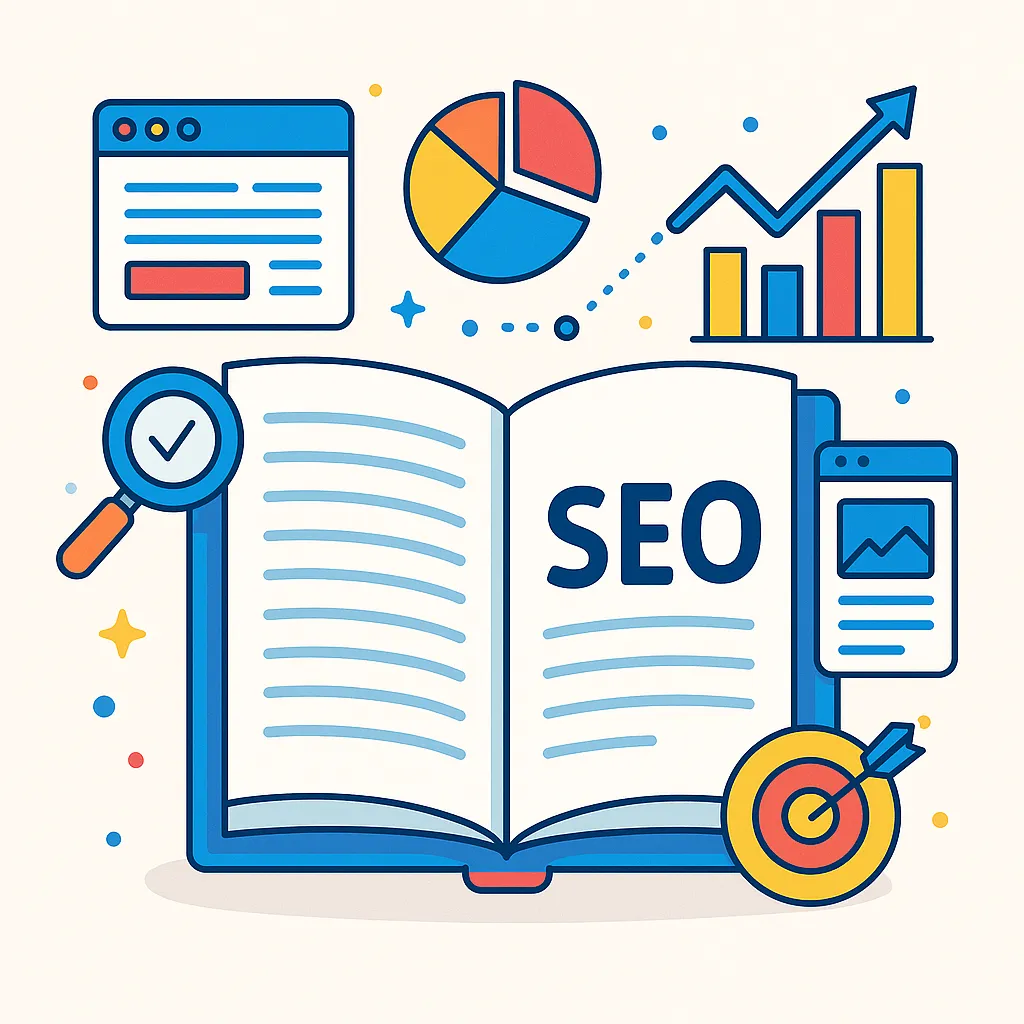
Search engine optimization (SEO) continues to evolve at a rapid pace, and staying ahead in 2024 means mastering the art and science of on-page SEO. This comprehensive eBook on page SEO guide is designed to help website owners, marketers, and content creators optimize their pages effectively to improve rankings, drive traffic, and enhance user experience.
Introduction
What is Page SEO?
Page SEO, often referred to as on-page SEO, involves optimizing individual web pages to rank higher and earn more relevant traffic in search engines. It encompasses both the content and the HTML source code of a page, unlike off-page SEO which focuses on backlinks and external signals.
Importance of Page SEO in 2024
With Google and other search engines becoming smarter through AI and machine learning, the significance of thorough and precise on-page optimization is greater than ever. In 2024, factors like Core Web Vitals, mobile usability, and semantic search are shaping how pages get ranked. Optimizing your pages effectively ensures you not only meet these technical requirements but also deliver value to your visitors — the ultimate goal of SEO.
How This eBook Will Help You Improve Your Website’s Ranking
This guide breaks down essential concepts and actionable strategies in a clear, practical way. Whether you’re new to SEO or looking to sharpen your skills with the latest trends, this eBook offers a step-by-step approach to improve your website’s ranking systematically. From keyword research to advanced techniques like voice search optimization, you’ll find everything you need to succeed in 2024.
Understanding Page SEO Fundamentals
Definition and Scope of Page SEO
Page SEO refers to the practice of optimizing individual web pages to rank higher in search engine results pages (SERPs). It includes optimizing content quality, HTML elements like title tags and meta descriptions, page load speed, mobile-friendliness, internal linking, and more. The goal is to ensure every page is both search engine and user-friendly.
Difference Between On-Page and Off-Page SEO
- On-Page SEO: Focuses on elements within your website that you can control directly, such as content, meta tags, URL structure, and site architecture.
- Off-Page SEO: Involves external factors like backlinks, social signals, and online reputation that influence your site’s authority and ranking.
While off-page SEO is crucial, a strong foundation of on-page SEO ensures your website is crawlable, relevant, and provides a great user experience.
Key Ranking Factors in 2024
- High-quality, relevant content that satisfies user intent
- Page speed and Core Web Vitals performance
- Mobile-first design and responsiveness
- Semantic HTML and structured data implementation
- Secure HTTPS protocol
- Proper keyword usage without over-optimization
- Good internal linking and clear site hierarchy
- User engagement metrics like dwell time and bounce rate
Keyword Research and Optimization
Identifying Relevant Keywords for Your Niche
Keyword research remains the backbone of effective on-page SEO. Start by understanding your target audience and the search terms they use. Use competitor analysis to uncover gaps and opportunities. Focus on long-tail keywords that often have lower competition and higher conversion potential.
Using Keyword Tools and Analytics
Leverage tools like Google Keyword Planner, Ahrefs, SEMrush, and free options such as Ubersuggest to gather data on keyword volume, difficulty, and trends. Google Analytics and Search Console provide insights into which keywords are already driving traffic to your site, allowing you to refine your strategy.
Keyword Placement Best Practices (Titles, Headers, Content)
- Title Tags: Incorporate your main keyword near the beginning of the title.
- Headers (H1, H2, H3): Use keywords naturally within headings to structure content and signal relevance.
- Body Content: Distribute keywords thoughtfully throughout the text, maintaining natural flow and user readability.
- URLs: Include primary keywords to improve SEO and user clarity.
Avoiding Keyword Stuffing and Over-Optimization
Keyword stuffing can hurt your rankings and user experience. Instead, prioritize semantic relevance and natural language. Use Latent Semantic Indexing (LSI) keywords and related terms to enrich your content contextually without repetitive keyword use.
Crafting SEO-Friendly Content
Writing High-Quality, Engaging Content
Content is king, especially in 2024. Search engines reward pages that provide comprehensive, well-researched, and engaging content. Aim to solve problems, answer questions, and deliver unique value that keeps readers on your site longer.
Content Length and Readability Considerations
While longer content tends to perform better, quality always trumps quantity. Use short paragraphs, bullet points, and subheadings to enhance readability. Tools like Hemingway Editor or Grammarly can help maintain a clear and accessible writing style.
Using LSI (Latent Semantic Indexing) Keywords
LSI keywords are related terms and phrases that help search engines understand your content’s context better. Incorporate synonyms and related concepts naturally within your articles to boost topical authority and avoid keyword repetition.
Incorporating Multimedia (Images, Videos) for SEO
Visual elements improve user engagement and can enhance SEO. Use high-quality images, infographics, and videos relevant to your content. Always optimize images with descriptive alt text and ensure videos are properly embedded and load quickly.
Optimizing HTML Elements
Title Tags Optimization Strategies
Your title tag is one of the strongest SEO signals. Keep it under 60 characters, include your primary keyword early, and make it compelling to encourage clicks from searchers.
Meta Descriptions: Writing for CTR and SEO
Meta descriptions don’t directly affect rankings but influence click-through rates (CTR). Write concise, informative descriptions around 150-160 characters that include your target keyword and a call to action.
Header Tags (H1, H2, H3) Best Practices
Use header tags to break content into logical sections. The H1 should contain the main topic keyword and be unique per page. Use H2s and H3s for subtopics, improving readability and SEO structure.
URL Structure and SEO-Friendly URLs
Keep URLs short, descriptive, and keyword-rich. Avoid unnecessary parameters or numbers. For example, example.com/on-page-seo-guide is preferable to example.com/page?id=123.
Image Optimization (Alt Text, File Names, Compression)
- Alt Text: Describe images clearly and include relevant keywords.
- File Names: Use descriptive, hyphenated file names.
- Compression: Minimize file size to improve page load speed without sacrificing quality.
Technical On-Page SEO
Page Speed and Performance Optimization
Fast-loading pages are critical for SEO and user experience. Compress images, leverage browser caching, minimize JavaScript and CSS files, and consider using a Content Delivery Network (CDN) to boost speed.
Mobile-Friendliness and Responsive Design
With mobile-first indexing, your website must perform flawlessly on smartphones and tablets. Use responsive design techniques to ensure content adapts smoothly to various screen sizes.
Structured Data and Schema Markup
Implement schema markup to help search engines better understand your content and enable rich snippets in search results, improving visibility and CTR.
Internal Linking Strategies
Use internal links to connect related pages and distribute link equity throughout your website. This improves crawlability and helps visitors navigate your content more effectively.
HTTPS and Website Security
Secure your site with HTTPS as Google uses it as a ranking signal. It also builds trust with visitors by protecting their data.
User Experience (UX) and SEO
Importance of UX in SEO Rankings
Search engines prioritize websites that offer excellent user experiences. Positive UX leads to longer visit durations, more interactions, and lower bounce rates — all ranking factors.
Navigation and Site Architecture
Design intuitive navigation with clear menus and logical page hierarchies. This helps both users and search engines find important content quickly.
Reducing Bounce Rate and Increasing Dwell Time
Engage visitors by providing relevant content, fast load times, and interactive elements. Reducing bounce rate signals to search engines that your page satisfies user needs.
Accessibility Best Practices
Ensure your site is accessible to users with disabilities by following WCAG guidelines. Use descriptive alt text, keyboard navigability, and sufficient color contrast to improve inclusivity and SEO.
Monitoring and Analyzing Page SEO Performance
Using Google Analytics and Search Console
Track traffic patterns, user behavior, and indexing status with these free tools. They provide invaluable insights into how your pages perform and identify areas for improvement.
Tracking Keyword Rankings
Monitor your keyword positions regularly to measure SEO progress. Use specialized tools like Ahrefs, SEMrush, or Moz for detailed ranking reports.
Analyzing User Behavior Metrics
Evaluate bounce rate, average session duration, and pages per session to understand how users interact with your content. Use this data to refine your SEO and UX strategies.
Tools for SEO Audits and Fixes
Conduct regular SEO audits using tools such as Screaming Frog, Sitebulb, or Makeebook's own resources to identify broken links, duplicate content, or technical issues that may hinder performance.
Advanced Page SEO Techniques for 2024
AI and Machine Learning in SEO
Search engines increasingly use AI to interpret content context and user intent. Create content that aligns with these evolving algorithms by focusing on natural language and topic authority.
Voice Search Optimization
Optimize for voice queries by incorporating conversational keywords, FAQs, and featured snippet-friendly content. Voice search favors clear, concise answers.
Core Web Vitals and Their Impact
Core Web Vitals measure user experience metrics like loading speed, interactivity, and visual stability. Optimizing these factors is essential for maintaining or improving rankings.
Leveraging Content Clusters and Topic Authority
Organize your content into clusters around core topics with pillar pages and related subtopics. This strategy helps establish topical authority and improves internal linking.
Conclusion
Mastering page SEO in 2024 requires a balanced approach that combines foundational techniques with emerging trends. From conducting thorough keyword research and crafting engaging content to optimizing technical elements and enhancing user experience, each step contributes to your website’s success.
Start by auditing your current pages, implement changes gradually, and monitor your progress using analytics tools. Remember, SEO is a continuous process that rewards consistency and adaptation.
If you’re eager to dive deeper into these strategies, consider checking out the detailed ebook on page SEO guide available through Makeebook, which provides comprehensive insights and practical templates tailored for today’s SEO landscape.
Appendix
Glossary of SEO Terms
- Alt Text: Descriptive text for images used by search engines and screen readers.
- Core Web Vitals: Metrics measuring loading, interactivity, and visual stability of a page.
- LSI Keywords: Related terms that provide context to the main keyword.
- Meta Description: A snippet summarizing a webpage’s content in search results.
- Schema Markup: Code that helps search engines understand page content.
- Title Tag: An HTML element that specifies the page title shown in SERPs.
Checklist for On-Page SEO Optimization
- Conduct thorough keyword research for each page
- Optimize title tags and meta descriptions with primary keywords
- Use header tags logically and include relevant keywords
- Create high-quality, engaging, and readable content
- Incorporate LSI keywords and multimedia elements
- Ensure URLs are clean and keyword-rich
- Optimize images with alt text and compression
- Improve page speed and mobile responsiveness
- Implement structured data markup
- Maintain internal linking and clear navigation
- Secure your site with HTTPS
- Monitor performance and adjust based on analytics
Recommended SEO Tools and Plugins
- Google Analytics & Google Search Console
- Ahrefs, SEMrush, Moz for keyword and backlink research
- Screaming Frog or Sitebulb for technical SEO audits
- Yoast SEO or Rank Math plugins for WordPress on-page optimization
- Makeebook’s SEO resources for comprehensive guides and templates