Ebook Industry Trends 2026: What to Expect in the Digital Publishing World
Introduction
The ebook industry has witnessed remarkable growth and transformation over the past decade, evolving from simple digital text files to rich, interactive reading experiences. As technology advances and consumer preferences shift, staying updated with the latest trends is essential for authors, publishers, and readers alike. This article explores the key ebook industry trends projected for 2026, offering insights into the technologies, market dynamics, and cultural factors shaping the future of digital publishing.
Current State of the Ebook Industry in 2024
Market Size and Growth Statistics
As of 2024, the global ebook market continues to expand steadily, with revenues projected to surpass $20 billion annually. Growth is fueled by increased smartphone penetration, rising literacy rates, and the convenience of digital reading. While growth rates have stabilized compared to the early 2010s, ebooks remain a vital segment within the broader publishing industry, accounting for a substantial share of book sales in markets like North America and Europe.
Leading Platforms and Formats
Dominant platforms such as Amazon Kindle, Apple Books, and Google Play Books continue to lead the market, offering vast catalogs and seamless user experiences. EPUB remains the most widely used format due to its flexibility and compatibility across devices. PDF and MOBI formats also maintain niche usage, especially in academic and independent publishing. Additionally, platforms like Makeebook are gaining attention by providing user-friendly tools for both creators and readers, bridging the gap between traditional publishing and digital innovation.
Consumer Behavior and Preferences
Consumers today increasingly prefer ebooks for their accessibility and portability. There is a notable trend toward reading on mobile devices, with many readers valuing the ability to sync progress across smartphones, tablets, and e-readers. Preferences are also shifting toward shorter, more digestible content, reflecting changing attention spans and busy lifestyles. Moreover, readers are showing growing interest in interactive and multimedia-enhanced ebooks, signaling an appetite for richer reading experiences.
Emerging Technologies Shaping the Ebook Industry by 2026
AI and Machine Learning in Ebook Creation and Personalization
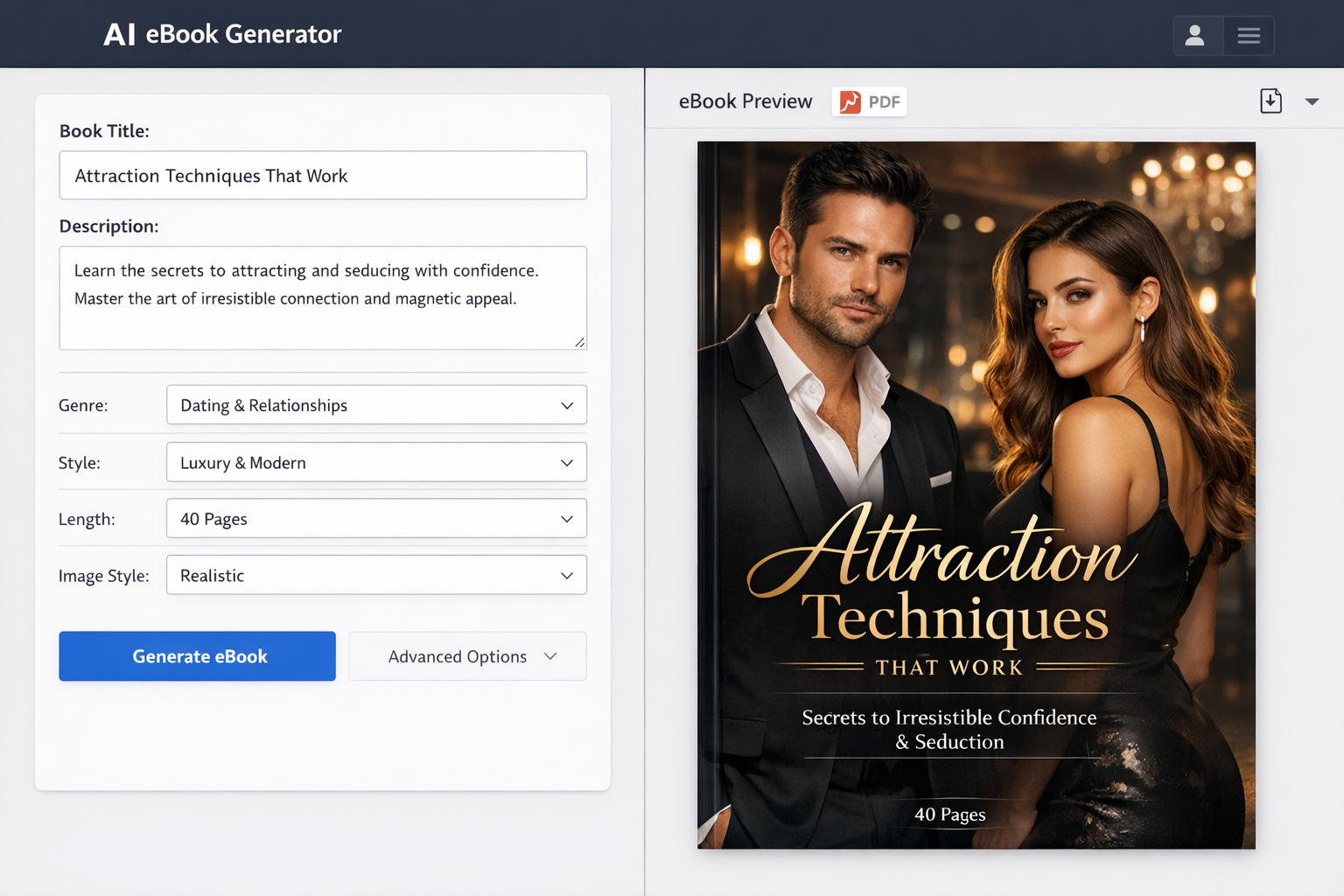
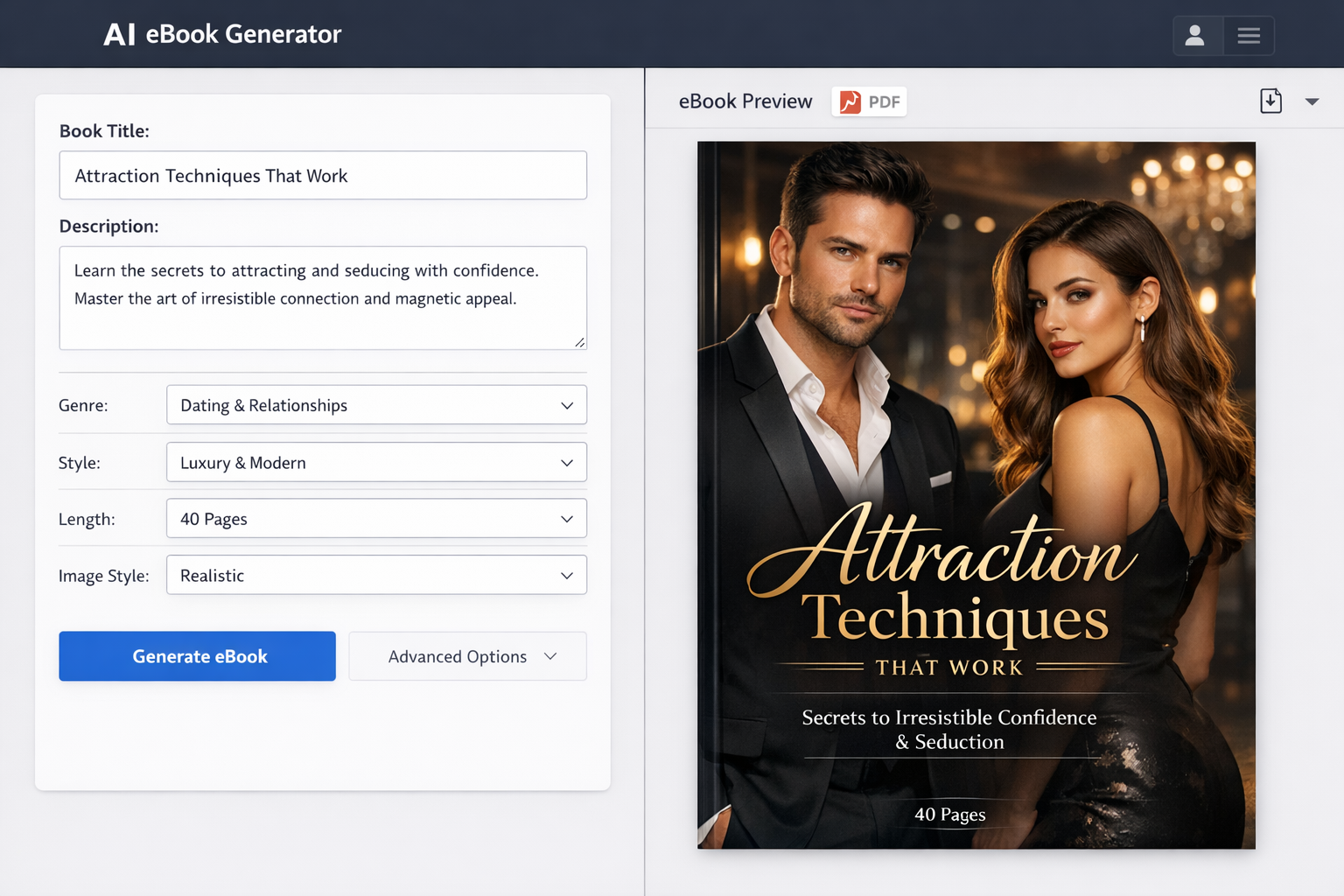
Artificial intelligence (AI) and machine learning are set to revolutionize ebook creation and distribution. AI-powered tools will assist authors in editing, formatting, and even generating content, reducing production time and costs. On the reader side, machine learning algorithms will enable highly personalized recommendations based on reading habits, preferences, and even mood, enhancing discovery and engagement.
Enhanced Interactive and Multimedia Ebooks
By 2026, ebooks will increasingly incorporate interactive elements such as embedded videos, animations, quizzes, and hyperlinked references. This multimedia integration will transform static books into dynamic learning tools and immersive storytelling platforms. Educational publishers, in particular, will benefit from these advancements, creating engaging content that caters to diverse learning styles.
Augmented Reality (AR) and Virtual Reality (VR) Integration
AR and VR technologies are poised to add new dimensions to digital reading. Imagine reading a fantasy novel where key scenes come to life through AR overlays or stepping inside a VR environment that complements the narrative. These immersive experiences will attract tech-savvy readers and open new avenues for experiential storytelling and education.
Blockchain for Rights Management and Royalties
Blockchain technology will play a critical role in securing digital rights and streamlining royalty payments. By providing transparent, tamper-proof records of ownership and transactions, blockchain can help combat piracy and ensure fair compensation for authors and publishers. This innovation will enhance trust and efficiency within the ebook ecosystem.
Changing Consumer Trends and Reading Habits
Rise of Mobile Reading and Cross-Device Syncing
The ubiquity of smartphones and tablets means that mobile reading will dominate in the coming years. Readers expect seamless syncing of their ebooks and reading progress across multiple devices. Platforms that offer smooth cross-device experiences will have a competitive edge, catering to readers who switch between phones, e-readers, and computers throughout their day.
Shift Towards Serialized and Short-Form Content
Serialized storytelling and short-form content are gaining traction, mirroring trends seen in podcasts and video. Readers appreciate episodic releases that create anticipation and community engagement. This trend also benefits authors by providing steady income streams and opportunities to build loyal audiences over time.
Increasing Demand for Accessibility Features
Accessibility has become a priority for publishers and platforms alike. Features such as adjustable font sizes, text-to-speech capabilities, dyslexia-friendly fonts, and high-contrast modes are now expected. By 2026, accessibility standards will be stricter, ensuring ebooks are usable by readers with diverse needs and abilities.
Growth of Audiobooks and Hybrid Formats
The popularity of audiobooks continues to surge, often complementing ebooks in hybrid formats. Integrated ebook and audiobook packages allow readers to switch effortlessly between reading and listening. This multi-modal approach caters to different contexts, such as commuting or multitasking, expanding the overall market for digital content.
Market and Business Model Innovations
Subscription Services and Bundled Ebook Offerings
Subscription models like Kindle Unlimited and Scribd have changed how readers access ebooks, offering unlimited reading for a monthly fee. By 2026, we can expect more diverse subscription plans, including genre-specific bundles, family accounts, and educational packages. These models provide predictable revenue streams for publishers while offering value and convenience to readers.
Self-Publishing and Indie Author Empowerment
Self-publishing platforms continue to empower independent authors, enabling them to reach global audiences without traditional gatekeepers. Tools like Makeebook simplify the publishing process, offering end-to-end solutions from creation to distribution. The rise of indie authors enriches the ebook landscape with diverse voices and niche content.
Dynamic Pricing and Microtransactions
Dynamic pricing, which adjusts ebook prices based on demand, user behavior, and market trends, will become more prevalent. Microtransactions for in-book purchases such as bonus chapters, character backstories, or multimedia enhancements will create new monetization opportunities. These strategies allow publishers and authors to maximize revenue while offering consumers personalized purchasing options.
Collaborative and Community-Driven Publishing
Community-driven publishing models, including crowdfunding and reader-involved editing, will grow in popularity. Readers will have more influence over content development, creating a sense of ownership and loyalty. Collaborative projects can also reduce risk for publishers by validating demand before full-scale production.
Impact of Global and Cultural Factors
Expansion into Emerging Markets
Emerging markets in Asia, Africa, and Latin America present significant growth opportunities for the ebook industry. Increased internet access and smartphone adoption drive digital reading in regions previously underserved by traditional publishing. Publishers will tailor content and marketing strategies to these diverse audiences to capture new readerships.
Localization and Multilingual Content Growth
Demand for localized and multilingual ebooks will rise as global readers seek content in their native languages and culturally relevant contexts. Translation technologies combined with human expertise will streamline localization processes, enabling broader accessibility and market penetration.
Regulatory Changes and Copyright Challenges
Regulatory environments around digital content are evolving, with governments addressing copyright enforcement, data privacy, and digital taxation. Publishers and platforms must navigate complex legal frameworks to ensure compliance and protect intellectual property. Blockchain and AI tools will assist in managing these challenges effectively.
Predictions for the Ebook Industry in 2026
Expected Market Growth and Revenue Projections
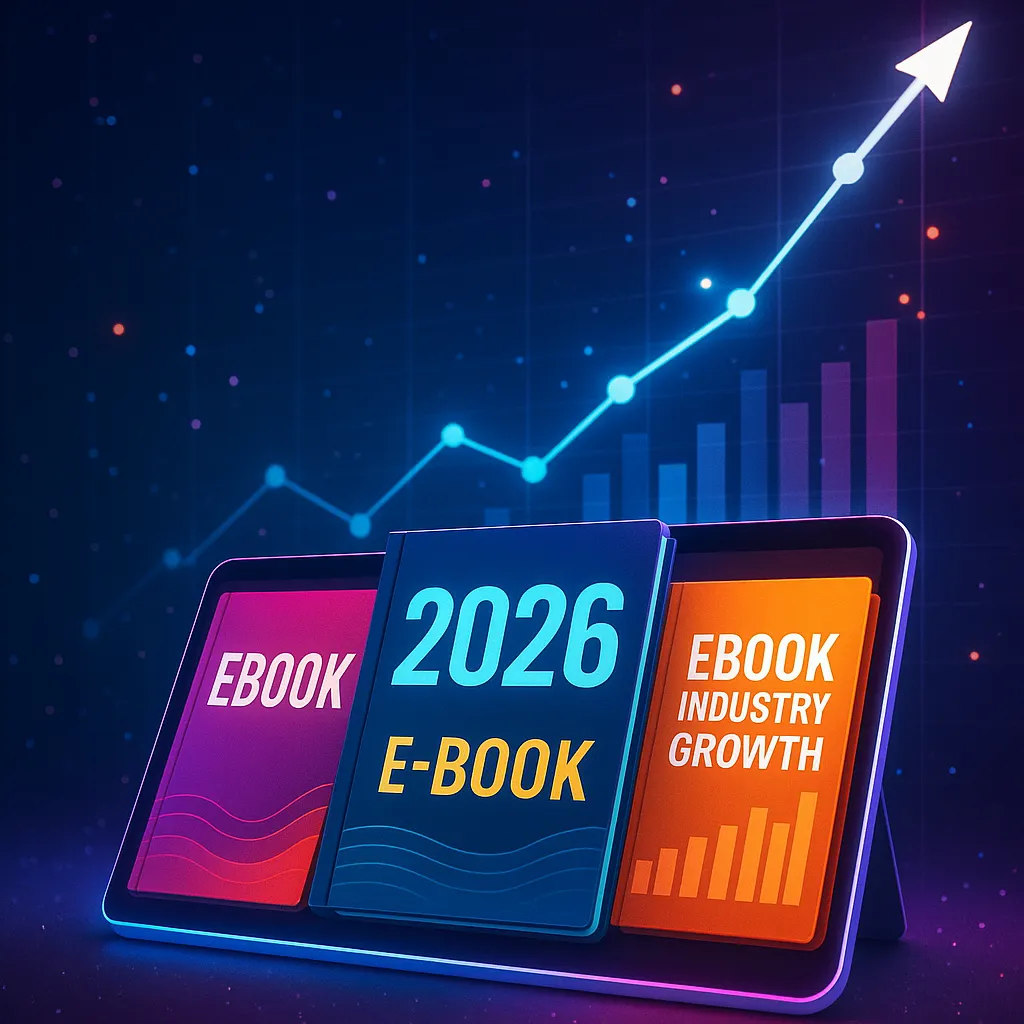
By 2026, the ebook market is projected to grow by 5-7% annually, driven by technological innovation and expanding global readership. Revenues may exceed $30 billion worldwide, with emerging markets contributing significantly to this growth. The integration of multimedia and interactive features will justify premium pricing and attract new users.
Dominant Platforms and New Entrants
While established giants like Amazon and Apple will maintain leadership, expect new entrants leveraging niche technologies and innovative business models to disrupt the market. Platforms focusing on community engagement, AI personalization, and immersive content will carve out competitive advantages.
Innovations in User Experience and Content Delivery
The user experience will become more immersive and intuitive, with ebooks adapting dynamically to reader preferences and contexts. Cloud-based delivery, offline reading capabilities, and AI-driven enhancements will be standard. Integration with smart home devices and wearables will further expand accessibility and convenience.
Potential Challenges and Risks
The ebook industry will face challenges including digital piracy, platform monopolization, and technological fragmentation. Ensuring data security and respecting user privacy will be critical. Publishers must also balance innovation with affordability to avoid alienating cost-sensitive readers.
Conclusion
The ebook industry in 2026 promises to be a dynamic and exciting space shaped by cutting-edge technology, evolving reader preferences, and global market shifts. Publishers and authors who embrace adaptability, invest in innovation, and prioritize accessibility will thrive. Tools like Makeebook will continue to support creators in navigating this complex landscape, fostering a vibrant digital publishing ecosystem. Staying informed about these trends is essential for anyone involved in or passionate about the future of reading.
Additional Resources