Top eBook SEO Optimization Tips to Boost Your Online Visibility
In today's digital marketplace, simply creating a great eBook isn’t enough. To truly stand out and attract readers, you need to make sure your eBook is easily discoverable online. This is where SEO (Search Engine Optimization) comes into play. Proper SEO strategies can dramatically improve your eBook’s visibility on search engines and eBook platforms, leading to more downloads and, ultimately, increased sales.
This article offers practical, actionable tips to help authors and publishers optimize their eBooks for search engines. Whether you’re self-publishing through platforms like Makeebook or distributing via major retailers, these SEO techniques will help you reach a wider audience and build lasting organic traffic.
Understanding eBook SEO Basics
What is eBook SEO?
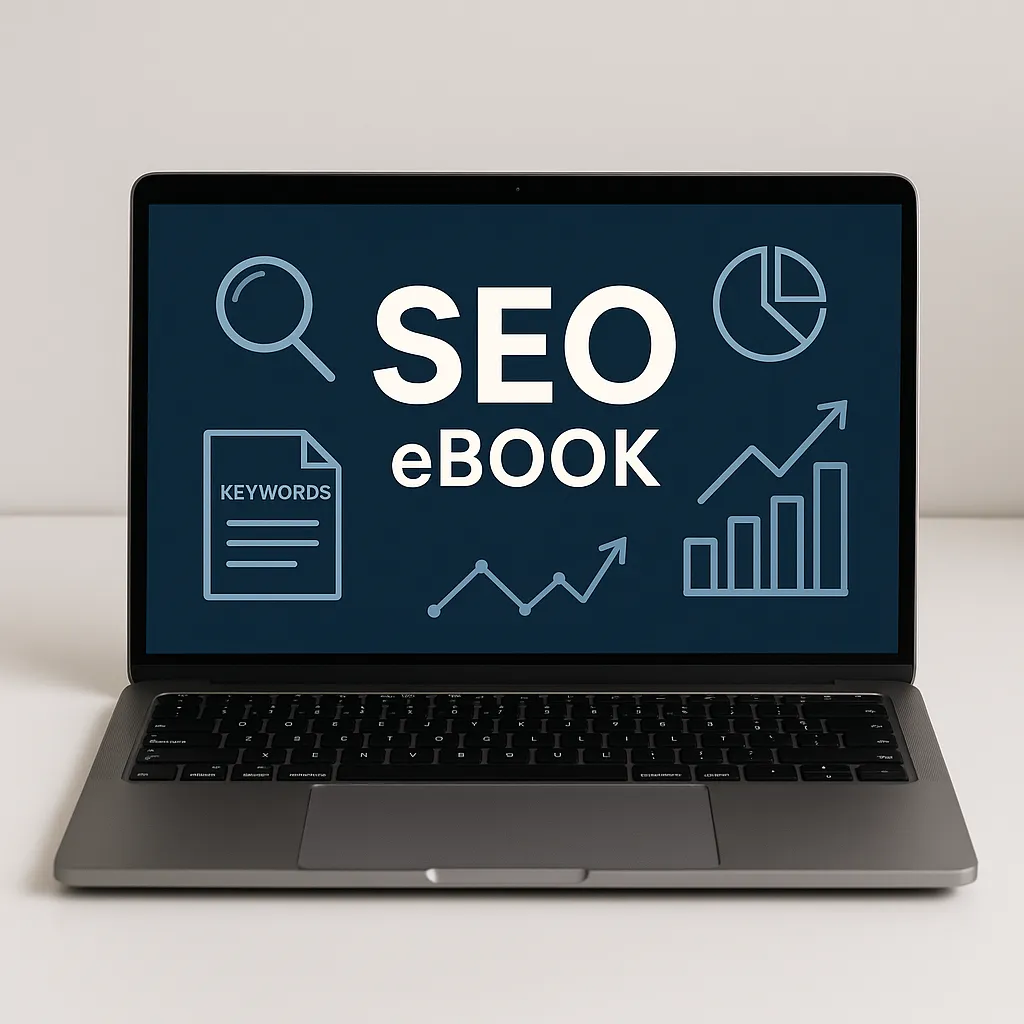
eBook SEO refers to the process of optimizing your eBook and its related digital presence so it ranks higher in search engine results and within eBook stores. Unlike traditional SEO, which targets website content, eBook SEO focuses on elements like the eBook title, description, metadata, file names, and even the content itself to improve discoverability.
While traditional SEO emphasizes backlinks and website structure, eBook SEO places more weight on metadata and keyword relevance tailored specifically for digital book platforms and search engines alike.
Why SEO Matters for eBooks
- Increased Visibility: Proper SEO helps your eBook appear in relevant search queries on Google and eBook marketplaces, driving organic traffic.
- More Downloads and Sales: Higher visibility often translates into more readers, which can boost your sales and rankings on platforms like Amazon Kindle, Apple Books, or Makeebook.
- Long-Term Benefits: Unlike paid ads, organic SEO efforts create lasting discoverability, sustaining your eBook’s presence over time.
Keyword Research for eBooks
Identifying Relevant Keywords
Keyword research is the foundation of any SEO effort. Start by identifying keywords your potential readers might use when searching for eBooks in your genre or niche. Tools like Google Keyword Planner, Ahrefs, or Ubersuggest can help you find popular and relevant keywords.
Focus on buyer intent keywords — phrases that indicate someone is ready to purchase or download an eBook, such as “best mystery novels 2024” or “healthy cooking recipe eBook.” Narrowing down niche-specific terms ensures you attract the right audience.
Incorporating Keywords Strategically
Once you have your keywords, it’s important to place them thoughtfully. Include your primary keywords in your eBook’s:
- Title
- Subtitle
- Description
- Metadata fields such as tags and categories
Additionally, weave keywords naturally into your eBook’s content where relevant, avoiding forced or repetitive usage that might reduce readability.
Optimizing Your eBook Title and Subtitle
Crafting an SEO-Friendly Title
Your eBook title is the first thing potential readers see and a critical SEO factor. Ensure your title is clear, concise, and includes your main keyword without sounding unnatural. For example, instead of “A Great Guide to Meditation,” consider “Meditation for Beginners: A Practical Guide to Mindfulness.”
Avoid keyword stuffing, which can make your title look spammy and deter readers.
Using Subtitles to Enhance SEO
Subtitles provide an excellent opportunity to include secondary keywords and further clarify your eBook’s content. A well-crafted subtitle improves search relevance and can persuade potential readers by highlighting unique benefits or features.
For instance, a subtitle like “Effective Strategies for Stress Relief and Better Sleep” targets additional keywords while providing extra context.
Writing an Effective eBook Description
SEO Best Practices for Descriptions
Your eBook description should be compelling and keyword-optimized. Incorporate your main and secondary keywords naturally within the text to improve search engine ranking. Focus on the benefits your eBook offers and what makes it unique to capture interest.
Formatting for Readability and Engagement
Break your description into short paragraphs and use bullet points to highlight key points or features. This improves readability, especially on mobile devices. End with a strong call-to-action encouraging readers to download or purchase.
Optimizing eBook Metadata
Importance of Metadata in SEO
Metadata includes information like author name, publisher, categories, and tags associated with your eBook. This data helps search engines and eBook platforms classify and rank your book appropriately.
Best Practices for Metadata Optimization
- Choose Relevant Categories: Select the most accurate genres and subgenres to improve discoverability within eBook stores.
- Use Descriptive Tags: Add tags related to themes, topics, and keywords to help algorithms suggest your book to interested readers.
- Maintain Consistency: Ensure metadata fields are consistent across all sales channels and platforms to avoid confusion and maximize SEO benefits.
Enhancing eBook Content for SEO
Using Internal Links and References
If your eBook is part of a series or you have multiple related works, include internal links or references within the content. This not only improves the reader's experience but also helps with SEO by signaling relevance and authority to search engines.
Including Keywords Naturally in Content
Sprinkle keywords throughout your eBook where they fit organically. Avoid overusing keywords, which can disrupt the flow and reduce the value of your content. The goal is to maintain readability while subtly reinforcing SEO signals.
Leveraging eBook Formats and Technical SEO
Choosing the Right eBook Format
Common eBook formats include EPUB, MOBI, and PDF. Each has different implications for SEO and user experience. EPUB and MOBI formats are widely supported on eReaders and marketplaces and allow for better metadata integration. PDFs are less flexible but useful for direct downloads on websites.
Optimizing File Names and URLs
Use descriptive, keyword-rich file names for your eBook files, such as mindfulness-meditation-guide.epub. This helps search engines understand the content of your files when indexed.
On your sales or landing pages, ensure URLs are clean, concise, and include keywords, such as yourwebsite.com/ebooks/mindfulness-meditation-guide. Avoid long strings of numbers or irrelevant characters.
Promoting Your eBook for SEO Benefits
Building Quality Backlinks
Backlinks from reputable websites signal authority to search engines. Reach out to bloggers, reviewers, and influencers in your niche to review or feature your eBook. Guest posts on relevant sites can also generate valuable links and drive traffic.
Utilizing Social Media and Content Marketing
Share excerpts, blog posts, and updates related to your eBook across social media channels. Platforms like Facebook, Twitter, LinkedIn, and Instagram can amplify your reach. Encourage readers to leave reviews and ratings, which improve credibility and SEO rankings on eBook stores.
Monitoring and Improving eBook SEO Performance
Tracking SEO Metrics
Use tools like Google Analytics and Google Search Console to monitor how your eBook landing pages perform in search results. Many eBook platforms also provide analytics on downloads and user engagement.
Making Data-Driven Adjustments
Based on your data, update your keywords, descriptions, and promotional strategies regularly. SEO is an ongoing process, and continual optimization ensures your eBook remains competitive and visible.
Conclusion
Optimizing your eBook for SEO is essential to increase visibility, attract more readers, and drive sales in a crowded marketplace. From conducting thorough keyword research and crafting compelling titles to optimizing metadata and promoting your eBook strategically, every step counts.
By implementing these eBook SEO optimization tips, you’ll position yourself for greater success and build sustainable, organic traffic over time. If you’re publishing through platforms like Makeebook, leveraging these SEO best practices can further amplify your reach and impact.
Remember, SEO is not a one-time task but a continuous effort. Stay informed about trends, monitor your performance, and keep refining your approach to enjoy long-term eBook success.