Essential Ebook Writing Tips for Beginners to Get Started
Introduction to Ebook Writing
Why Write an Ebook?
Writing an ebook has become an increasingly popular way to share knowledge, build authority, and generate income online. Unlike traditional publishing, ebooks offer unparalleled flexibility and accessibility. Whether you want to showcase your expertise, promote your business, or tell a story, an ebook can be a powerful tool to reach a global audience quickly and cost-effectively.
Benefits of Creating an Ebook for Beginners
For beginners, creating an ebook offers numerous benefits. It helps you clarify your ideas, develop your writing skills, and create a product you can market repeatedly. Ebooks also establish you as a credible voice in your niche and provide passive income opportunities. Plus, the digital format means you avoid printing costs and can update your content easily whenever needed.
Understanding the Ebook Market and Audience
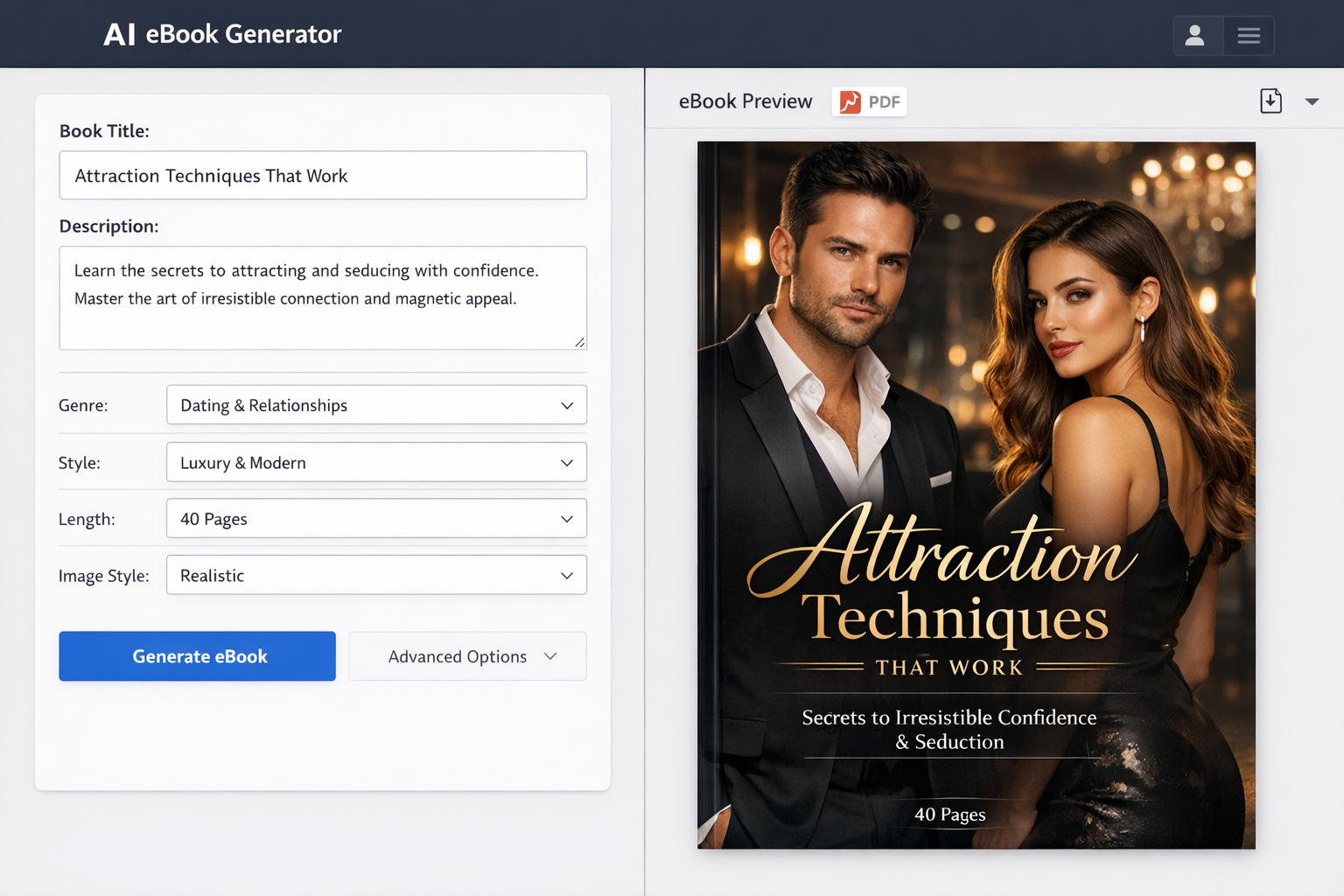
Before diving into writing, it’s essential to understand the ebook market and your target audience. Research popular topics, trends, and what readers are looking for in your niche. Knowing your audience’s needs and preferences will help you create content that resonates and stands out. Platforms like Makeebook can help you analyze market demands and streamline your publishing process.
Planning Your Ebook
Choosing a Compelling Topic
Your ebook’s success begins with selecting a compelling topic that you are knowledgeable about and that appeals to your audience. Focus on solving a problem, answering common questions, or providing valuable insights. Avoid overly broad subjects; instead, narrow your focus to a specific area where you can deliver real value.
Researching Your Target Audience
Gain a deep understanding of your target readers by researching their interests, challenges, and preferences. Use surveys, forums, social media groups, and keyword research tools to gather insights. This research ensures your ebook content is relevant and engaging, increasing the likelihood of downloads and positive reviews.
Defining Clear Goals and Objectives
Set clear goals for your ebook project. Are you aiming to build your email list, establish authority, or generate sales? Defining your objectives early guides your content creation and marketing strategy. Having measurable goals helps you stay focused and track your ebook’s success after publishing.
Outlining Your Ebook Structure
Create a detailed outline before writing to organize your thoughts and ensure a logical flow. Break your ebook into chapters or sections, listing key points to cover in each. An effective outline saves time during writing and helps maintain coherence, making the final product easier to read and understand.
Writing Your Ebook
Setting a Writing Schedule and Goals
Consistency is key when writing an ebook. Establish a realistic writing schedule, such as dedicating a specific time daily or weekly to write. Set achievable word count goals to keep momentum and avoid procrastination. Treat your ebook project like a professional commitment to ensure steady progress.
Tips for Writing Engaging Content
Engage your readers by using a conversational tone, asking questions, and addressing them directly. Use bullet points, lists, and subheadings to break up text and improve readability. Incorporate actionable advice and practical tips that readers can implement immediately.
Maintaining Consistency and Flow
Maintain consistency in tone, style, and formatting throughout your ebook. Transitions between chapters or sections should be smooth and logical. Reading your content aloud can help identify awkward phrasing or breaks in flow. This attention to detail enhances the overall reading experience.
Using Simple and Clear Language
Avoid jargon and overly complex language. Aim for clarity and simplicity to reach a broader audience. Use short sentences and straightforward vocabulary to make your content accessible, especially for beginners or readers unfamiliar with your topic.
Incorporating Stories and Examples
Stories and real-life examples make your ebook relatable and memorable. They illustrate concepts effectively and keep readers interested. Share personal experiences, case studies, or hypothetical scenarios to reinforce your points and add depth to your writing.
Editing and Proofreading
Importance of Revising Your Draft
Revision is a crucial step to refine your ebook and ensure it meets quality standards. After completing your first draft, take a break before reviewing it with fresh eyes. Focus on clarity, coherence, and eliminating redundancies. Multiple revision rounds often produce the best results.
Common Mistakes to Avoid
Watch out for common errors such as spelling and grammar mistakes, inconsistent formatting, and unclear explanations. Avoid filler content that adds no value. Be wary of passive voice overuse and overly long paragraphs that can overwhelm readers.
Using Editing Tools and Resources
Leverage editing software like Grammarly, Hemingway Editor, or ProWritingAid to catch mistakes you might miss. These tools help improve grammar, readability, and style. However, don’t rely solely on them; human review remains essential for nuance and context.
Getting Feedback from Beta Readers or Editors
Sharing your ebook draft with beta readers or professional editors provides valuable feedback. They can highlight unclear sections, suggest improvements, and catch errors. Constructive criticism helps polish your ebook and boosts its credibility and appeal.
Designing Your Ebook
Ebook Formatting Basics
Proper formatting ensures your ebook looks professional and is easy to read across devices. Use consistent heading styles, paragraph spacing, and margins. Tools like Microsoft Word, Google Docs, or specialized ebook software can assist in formatting your manuscript correctly.
Choosing the Right Fonts and Layout
Select fonts that are legible on screens, such as sans-serif styles. Maintain a clean layout with balanced white space to avoid clutter. Use headings, subheadings, and bullet points to organize content visually and enhance reader engagement.
Adding Images, Graphics, and Visuals
Incorporate relevant images, charts, or infographics to complement your text and clarify complex ideas. Ensure visuals are high quality and properly credited if they are not your own creations. Visual elements make your ebook more attractive and help retain reader attention.
Creating an Attractive Cover
Your ebook cover is the first impression potential readers get, so invest time in designing an eye-catching cover. Use bold colors, clear fonts, and compelling imagery that reflect your ebook’s theme. If design isn’t your strength, consider using templates or services like Makeebook that offer professional cover creation tools.
Publishing and Distribution
Ebook Formats to Consider (PDF, ePub, Mobi)
Choosing the right ebook format depends on your distribution channels and reader preferences. PDF is widely used for direct downloads and preserves formatting. ePub is the standard for most ebook readers, while Mobi is optimized for Amazon Kindle devices. Offering multiple formats can maximize your reach.
Self-Publishing Platforms Overview
There are various self-publishing platforms available, such as Amazon Kindle Direct Publishing (KDP), Apple Books, Smashwords, and Kobo. These platforms provide tools to upload, price, and distribute your ebook globally. Research each to find the best fit for your goals and audience.
Pricing Strategies for Beginners
Pricing your ebook strategically can influence sales and visibility. Beginners often start with lower prices or offer their ebook for free temporarily to build an audience. Consider experimenting with pricing based on length, topic demand, and competitor pricing. Promotions and discounts can also boost downloads.
Marketing Your Ebook to Reach Readers
Marketing is essential to get your ebook into readers’ hands. Utilize social media, email newsletters, blogging, and guest posts to promote your ebook. Engage with your audience and leverage platforms like Makeebook for marketing ideas and tools. Building a strong online presence increases your ebook’s success potential.
Tips for Staying Motivated and Productive
Overcoming Writer’s Block
Writer’s block is common but manageable. Break your writing into smaller tasks, take breaks, and change your environment if needed. Freewriting or brainstorming sessions can help generate new ideas. Remember, progress is more important than perfection during your first draft.
Tracking Your Progress
Keep track of your daily or weekly writing output and milestones achieved. Use journals, apps, or spreadsheets to monitor progress. Celebrating small wins builds momentum and keeps you motivated to complete your ebook.
Joining Writing Communities and Support Groups
Connecting with other writers provides encouragement, advice, and accountability. Join online forums, social media groups, or local writing clubs. Sharing experiences and challenges fosters growth and helps maintain your enthusiasm for your ebook project.
Conclusion
Recap of Essential Tips
Writing an ebook as a beginner may seem daunting, but with careful planning, consistent writing, thorough editing, and smart publishing strategies, you can create a valuable and successful product. Remember to choose a focused topic, understand your audience, maintain clarity, and invest in quality design and marketing.
Encouragement to Start Writing Today
The most important step is to start. Don’t wait for the perfect moment or flawless ideas. Begin your ebook journey today, even if it’s just drafting an outline or writing a few paragraphs. Taking action is the key to turning your ebook dream into reality.
Additional Resources for Ebook Writers
To assist your ebook writing journey, consider using platforms like Makeebook, which offer tools for writing, designing, and publishing ebooks with ease. Additionally, explore online courses, writing blogs, and ebook communities to continually improve your skills and knowledge.