Introduction to eBook Keyword Research
Why Keyword Research Matters for eBooks
Keyword research is the foundation of any successful eBook marketing strategy. It helps authors and publishers understand what potential readers are searching for, enabling them to tailor their content and marketing efforts accordingly. Without effective keyword research, your eBook risks being lost among millions of titles, limiting visibility and sales.
How Keyword Research Impacts eBook Visibility and Sales
Using the right keywords ensures that your eBook appears in relevant search results on platforms like Amazon, Google, and other online bookstores. Proper keyword targeting drives organic traffic to your eBook’s page, improving discoverability. This increased exposure translates directly into higher sales and broader readership, especially when you optimize your title, subtitle, and description with researched keywords.
Overview of Keyword Trends in 2024
In 2024, keyword trends continue to evolve with changing reader behaviors. Long-tail keywords are increasingly important, as readers seek specific information or niche topics. Voice search is influencing how people phrase queries, often in conversational language. Seasonal keywords and trending topics can also create timely opportunities for increased visibility. Staying updated on these trends is essential for any author or publisher.
Understanding Your Target Audience
Identifying Reader Personas
Before diving into keyword research, it’s crucial to understand who your readers are. Creating detailed reader personas helps you visualize your audience’s demographics, interests, and reading habits. For example, a self-help eBook might target young professionals seeking personal development, while a fantasy novel may appeal to teens and young adults passionate about imaginative storytelling.
Analyzing Reader Search Behavior
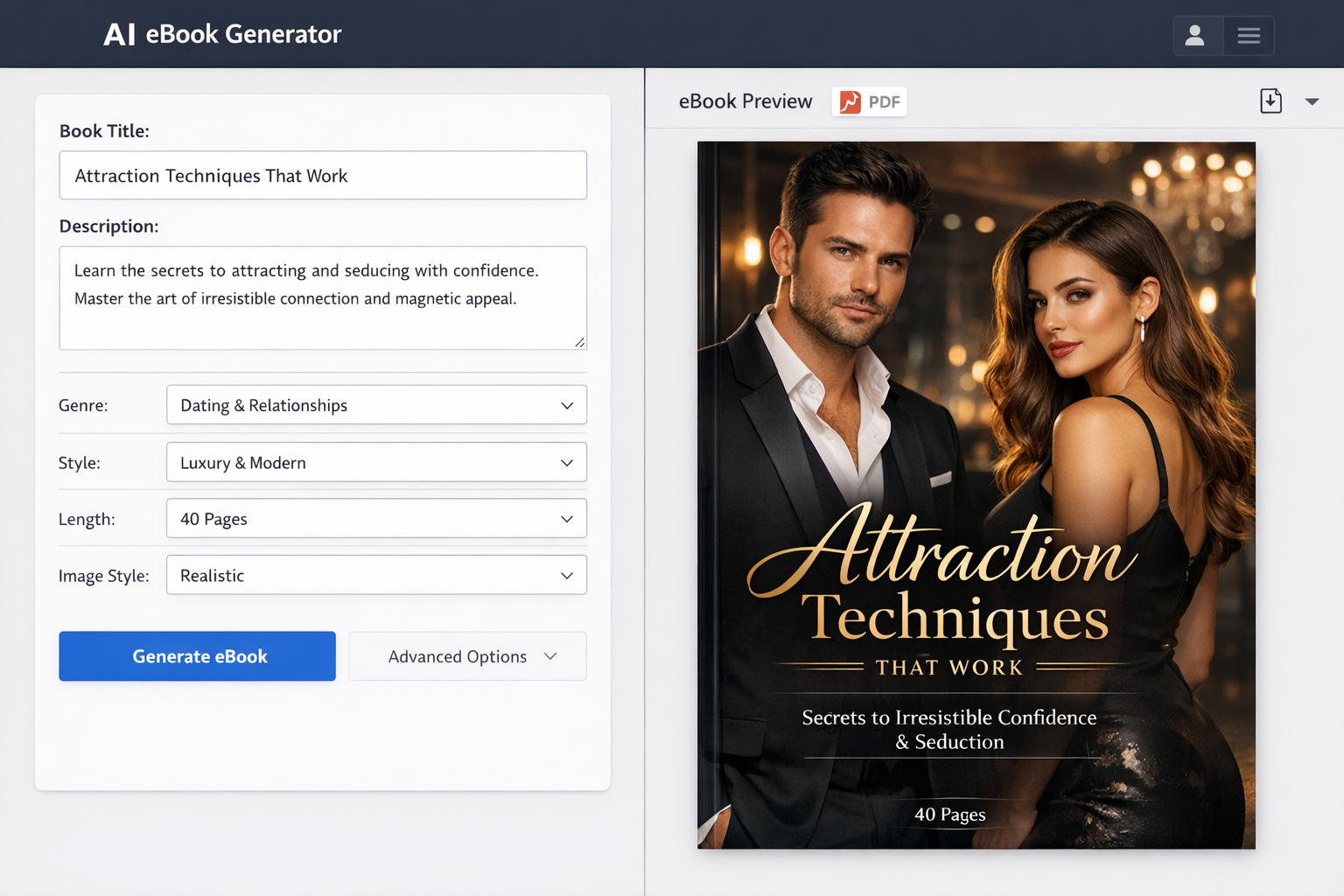
Readers often use different language and phrases when searching for books versus general information. Analyze common search queries your audience uses by exploring forums, social media groups, and eBook platform search bars. Tools like Makeebook can assist in uncovering reader preferences and popular search terms within specific genres.
Using Audience Insights to Inform Keyword Choices
By combining reader personas with search behavior analysis, you can select keywords that resonate with your target audience. This targeted approach increases the chances of attracting qualified visitors who are more likely to purchase and enjoy your eBook.
Core Concepts of Keyword Research for eBooks
Short-tail vs. Long-tail Keywords
Short-tail keywords are broad and general terms, such as "romance novels" or "self-help books." While these have high search volumes, they are often highly competitive. Long-tail keywords, like "best self-help books for anxiety 2024," are more specific and typically have lower competition. For eBooks, focusing on long-tail keywords usually yields better conversion rates because they match precise reader intent.
Search Intent and Its Importance
Understanding search intent means grasping why someone searches for a particular keyword. Are they looking to buy, learn, or just browse? For eBooks, commercial intent keywords (those indicating a readiness to purchase) are especially valuable. For example, "buy historical fiction eBook" shows strong purchase intent, while "historical fiction summaries" indicates informational intent.
Seasonal and Trending Keywords in 2024
Seasonal keywords related to holidays or annual events can create spikes in search volume. For instance, keywords like “Halloween horror eBooks” become popular in October. Trending topics, such as newly popular genres or emerging subcultures, offer fresh keyword opportunities. Monitoring these trends throughout 2024 ensures your eBook stays relevant and discoverable.
Tools and Resources for eBook Keyword Research
Free Keyword Research Tools (Google Keyword Planner, Ubersuggest, etc.)
Many free tools provide valuable keyword data. Google Keyword Planner offers insights into search volumes and competition, while Ubersuggest helps generate keyword ideas and analyze competitor keywords. These tools are excellent starting points for authors new to keyword research.
Paid Tools for In-depth Analysis (Ahrefs, SEMrush, etc.)
For advanced keyword research, paid platforms like Ahrefs and SEMrush offer comprehensive data, including keyword difficulty scores, backlink analysis, and detailed competitor research. Investing in these tools can significantly enhance your understanding of the keyword landscape, especially if you’re publishing multiple eBooks or managing a professional author brand.
Utilizing Amazon and Other eBook Platforms for Keyword Ideas
Amazon is a goldmine for keyword ideas tailored to eBooks. Use the search bar’s autocomplete feature to discover popular search phrases. Analyze bestseller categories and competitor eBook descriptions to identify effective keywords. Other platforms like Apple Books and Kobo also provide insights through their search functions and category listings.
Step-by-Step Keyword Research Process for eBooks
Brainstorming Initial Keyword Ideas
Start by listing broad topics related to your eBook’s theme. Think about phrases your readers might use and include synonyms or related terms. Don’t hesitate to ask friends, beta readers, or use forums to gather fresh keyword ideas.
Analyzing Competitor eBooks and Keywords
Identify top-ranking eBooks in your niche and study their titles, subtitles, and descriptions for keyword usage. Tools like Makeebook can simplify this competitor analysis by aggregating keyword data from successful titles, helping you spot gaps or opportunities.
Filtering Keywords Based on Relevance and Search Volume
From your collected list, remove irrelevant or overly generic keywords. Focus on those with sufficient search volume to drive traffic but not so competitive that ranking is impossible. Balance is key — aim for keywords that attract your ideal readers efficiently.
Prioritizing Keywords by Difficulty and Opportunity
Evaluate keyword difficulty scores (available in many tools) to understand how challenging it is to rank for each term. Prioritize keywords with moderate difficulty but high opportunity, such as those trending upward or underserved by competitors.
Optimizing Your eBook with Targeted Keywords
Incorporating Keywords in eBook Title and Subtitle
Your eBook’s title and subtitle are prime real estate for keywords. Including a relevant keyword naturally can improve search rankings and immediately signal to potential readers what your book is about. For example, a title like "Mastering Freelance Writing: A Step-by-Step Guide for Beginners" targets clear keywords while remaining engaging.
Using Keywords in eBook Description and Metadata
The description should integrate keywords seamlessly to enhance visibility on platforms and search engines. Avoid keyword stuffing; instead, write compelling copy that includes primary and secondary keywords naturally. Additionally, ensure metadata fields like tags and categories reflect your chosen keywords.
Keyword Placement in eBook Content and Chapters
While metadata and descriptions are critical, placing keywords within your eBook content can also improve internal searchability on platforms and enhance reader relevance. Use chapter titles and headings that incorporate keywords without compromising readability and flow.
Tracking and Updating Your Keyword Strategy
Monitoring Keyword Performance Over Time
Keyword trends can shift, so it’s important to track how your keywords perform by monitoring your eBook’s search rankings and sales data regularly. Tools like Google Analytics (for sales landing pages) or Amazon Author Central reports can provide valuable insights.
Adjusting Keywords Based on Market Changes and Reader Feedback
Be prepared to update your keywords if you notice declining performance or if new trends emerge. Reader reviews and feedback can also highlight new keywords or phrases that resonate with your audience, which you can incorporate into your metadata and marketing materials.
Tools for Ongoing Keyword Tracking
Use keyword tracking tools such as Ahrefs Rank Tracker or SEMrush Position Tracking to automate monitoring. These tools alert you to ranking changes, allowing you to respond quickly and maintain a competitive edge.
Common Mistakes to Avoid in eBook Keyword Research
Overstuffing Keywords
Keyword stuffing—overloading your title, description, or content with keywords—can harm readability and lead to penalties from search algorithms. Focus on natural, meaningful keyword integration that enhances the reader’s experience.
Ignoring Search Intent
Targeting keywords without considering what readers actually want can lead to low engagement and poor sales. Always align keyword choices with the intent behind search queries to attract the right audience.
Relying Solely on High-Volume Keywords
High-volume keywords are tempting but often extremely competitive. Relying only on them can make it difficult for your eBook to stand out. Diversify your strategy by including long-tail and niche keywords to capture targeted traffic.
Future Trends in eBook Keyword Research
Voice Search and Its Growing Impact
With the rise of voice assistants like Alexa and Siri, voice search is changing keyword phrasing toward more conversational and question-based queries. Optimizing for natural language and question keywords will become increasingly important for eBook discoverability.
AI and Machine Learning in Keyword Analysis
AI-powered tools can analyze vast amounts of data quickly, identifying emerging keywords and predicting trends. Leveraging these technologies will give authors a competitive advantage in crafting timely and effective keyword strategies.
Emerging Platforms and Their Keyword Opportunities
New eBook marketplaces and social reading platforms continue to appear, each with unique search behaviors and keyword opportunities. Staying informed about these platforms broadens your reach and allows you to tap into fresh audiences early.
Conclusion
Recap of Key Takeaways
Effective eBook keyword research in 2024 involves understanding your audience, selecting the right mix of short-tail and long-tail keywords, using appropriate tools, and optimizing your metadata and content. Prioritizing search intent and staying agile with market trends ensures continued visibility and sales growth.
Final Tips for Effective eBook Keyword Research in 2024
Always combine data-driven insights with a human touch. Use tools like Makeebook to streamline research and competitor analysis, but remember that knowing your readers personally is irreplaceable. Balance keyword targeting with engaging, authentic writing for best results.
Encouragement to Implement and Experiment
Keyword research is not a one-time task but an ongoing process. Experiment with new keywords, track your performance, and adjust as needed. With persistence and strategic effort, you can significantly enhance your eBook’s reach and success in 2024 and beyond.