Global Ebook Sales Statistics: Trends and Insights
Introduction
Overview of the Ebook Market
The ebook market has experienced significant evolution over the past decade, transforming how readers access and consume literature worldwide. From niche digital beginnings to a mainstream format embraced by millions, ebooks have become an essential part of the global publishing ecosystem. This shift is fueled by the convenience of digital reading, the rise of mobile devices, and the expanding availability of diverse content.
Importance of Analyzing Ebook Sales Statistics
Understanding ebook sales statistics is crucial for publishers, authors, retailers, and marketers. These statistics provide insights into consumer preferences, regional market dynamics, and the impact of emerging technologies. Analyzing sales data helps stakeholders optimize their strategies, tailor content offerings, and remain competitive in a rapidly changing digital landscape.
Purpose and Scope of the Article
This article aims to present a comprehensive overview of global ebook sales statistics, highlighting current figures, key trends, consumer behaviors, and future projections. By examining regional differences, genre popularity, and market drivers, readers will gain a practical understanding of the ebook industry's present state and its potential evolution. Platforms like Makeebook, which simplify ebook creation, also influence market dynamics by empowering authors to reach wider audiences.
Current Global Ebook Sales Statistics
Total Ebook Sales Volume Worldwide
As of the latest reports, global ebook sales volume continues to grow steadily. In 2023, worldwide ebook unit sales surpassed 1.2 billion, reflecting a 7% increase from the previous year. This growth underscores the sustained demand for digital reading formats despite competition from print and audiobooks. The increasing penetration of smartphones and tablets in emerging markets contributes significantly to this upward trajectory.
Revenue Generated from Ebook Sales
Ebook sales generated approximately $8.5 billion in global revenue in 2023, up from $7.9 billion in 2022. The average price per ebook varies by region and genre but generally remains between $5 and $12. Revenue growth is driven by both higher unit sales and premium pricing strategies for popular titles. Subscription models and bundled offers also contribute to expanding revenue streams.
Regional Breakdown of Ebook Sales
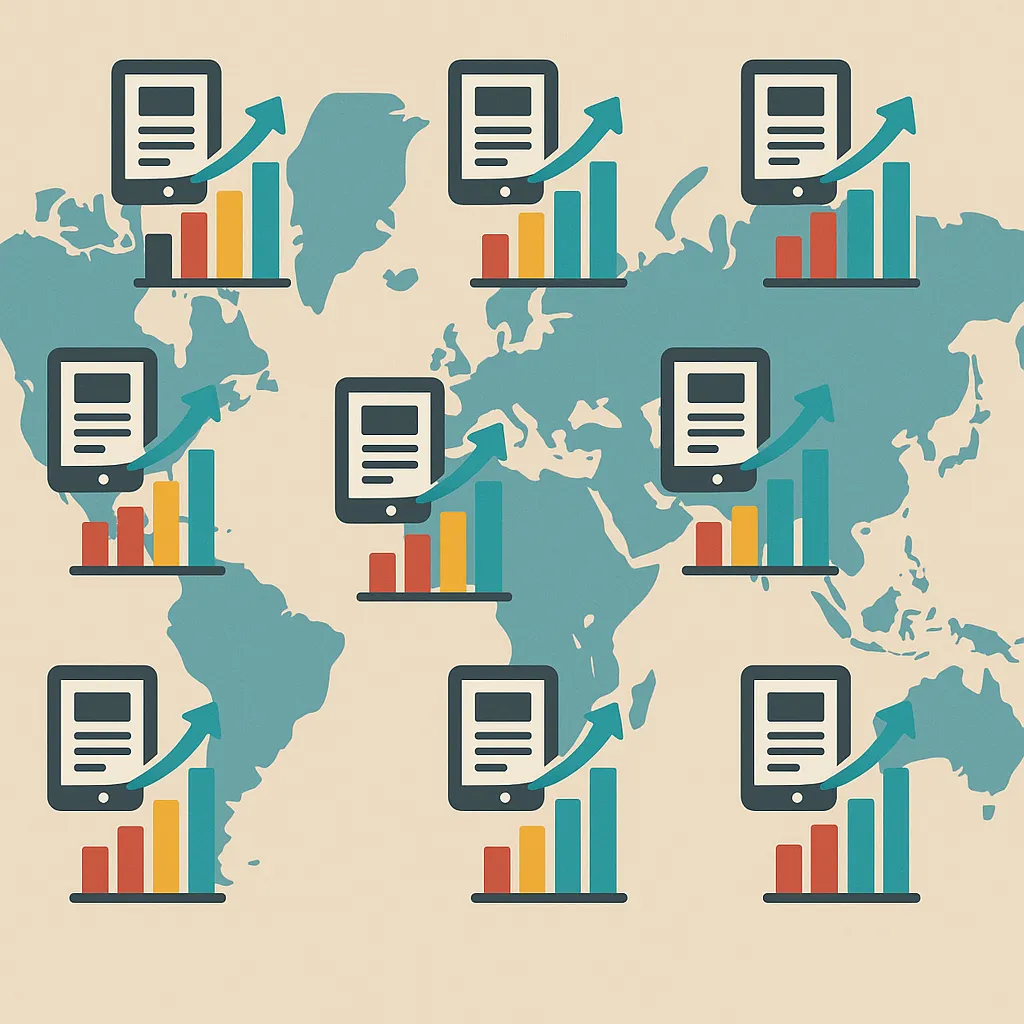
- North America: North America remains the largest market for ebooks, accounting for nearly 45% of global unit sales. The United States leads with strong demand, supported by widespread e-reader adoption and established retail platforms like Amazon Kindle and Apple Books.
- Europe: Europe holds about 30% of global ebook sales volume. The UK and Germany are the largest contributors, with growing interest in digital formats across France, Spain, and the Nordic countries. Language diversity presents both opportunities and challenges for publishers.
- Asia-Pacific: The Asia-Pacific region has seen rapid growth in ebook sales, now representing approximately 20% of the global market. China, India, and Japan are key players, driven by expanding mobile internet access and a rising middle class eager for digital content.
- Other Regions: Latin America, the Middle East, and Africa collectively make up the remaining 5%, though these markets show promising growth potential as digital infrastructure improves.
Trends in Ebook Sales
Year-over-Year Growth Rates
Global ebook sales have experienced consistent year-over-year growth averaging 6-8% over the past five years. While some mature markets show signs of plateauing, emerging economies continue to boost overall numbers. The COVID-19 pandemic accelerated ebook adoption as physical bookstores faced restrictions, and many consumers turned to digital reading.
Popular Ebook Genres and Categories
Fiction remains the dominant genre in ebook sales, with romance, mystery/thriller, and science fiction/fantasy leading the pack. Non-fiction genres such as self-help, business, and health & wellness also enjoy strong digital demand. Educational ebooks and professional materials have gained traction, especially in regions with increasing online learning trends.
Impact of Mobile Devices and E-Readers
The widespread use of smartphones and tablets has transformed ebook consumption patterns. While dedicated e-readers like Kindle remain popular for avid readers, many casual readers prefer mobile devices for their convenience. Enhanced ebook formats optimized for mobile reading and interactive features contribute to higher engagement and sales.
Influence of Subscription Services and Libraries
Subscription services such as Kindle Unlimited, Scribd, and Apple Books+ have reshaped the ebook market by offering unlimited access to large catalogs for a fixed fee. Public and academic libraries also provide digital lending services, expanding access but sometimes affecting direct sales. Balancing subscription revenue with traditional sales is an ongoing challenge for publishers.
Seasonal and Event-Driven Sales Patterns
Ebook sales often spike during holiday seasons, special promotions, and major literary events such as book fairs or award announcements. Black Friday and Cyber Monday sales consistently generate high volumes, with discounts and bundles enticing readers. Authors and publishers increasingly leverage timed releases and marketing campaigns to capitalize on these periods.
Consumer Behavior and Demographics
Age Groups and Ebook Consumption
Ebook readership spans all age groups, but the highest consumption rates are observed among adults aged 25-44. Younger readers, particularly digital natives, are more inclined toward ebooks, while older demographics still favor print but are gradually adopting digital formats. Educational ebooks attract significant interest from students and professionals across ages.
Gender Differences in Ebook Purchasing
Studies indicate that women purchase ebooks more frequently than men, especially in genres like romance and contemporary fiction. Men tend to favor science fiction, technology, and business-related ebooks. Marketing strategies tailored by gender preferences can help optimize sales and reader engagement.
Preferences Between Print and Digital Formats
Despite the growth in ebook sales, many readers continue to prefer print books for tactile experience and collectability. However, ebooks offer advantages in portability, instant access, and adjustable reading settings. Hybrid readers who consume both formats represent a significant segment, often choosing ebooks for convenience and print for leisure or gifting purposes.
Factors Influencing Ebook Purchases
Price sensitivity, ease of access, device compatibility, and content exclusivity are critical factors influencing ebook purchase decisions. Reviews, author reputation, and sample chapters also play pivotal roles. Platforms like Makeebook, which provide user-friendly tools for self-publishing, have empowered more authors to enter the market, increasing available content and consumer choices.
Market Drivers and Challenges
Technological Advancements Boosting Ebook Sales
Innovations such as enhanced ePub formats, multimedia integration, and improved DRM (Digital Rights Management) systems have boosted ebook appeal. Cloud-based libraries and synchronization across devices provide seamless reading experiences, encouraging adoption. AI-driven recommendations and personalized marketing further stimulate sales.
Pricing Strategies and Discounts
Dynamic pricing, promotional discounts, and bundling are effective strategies publishers use to increase ebook sales volume. Flash sales and limited-time offers attract price-conscious readers, while premium pricing applies to exclusive or new releases. Subscription models also influence pricing strategies across the industry.
Piracy and Copyright Issues
Piracy remains a significant challenge, impacting revenue and author earnings. Despite DRM technologies, unauthorized distribution of ebooks persists globally. Publishers and platforms continuously invest in anti-piracy measures and legal actions, but balancing protection with user convenience is complex.
Competition from Audiobooks and Other Digital Media
Audiobooks have emerged as a strong competitor to ebooks, benefiting from multitasking-friendly formats and growing listener bases. Podcasts, video content, and interactive media also vie for consumer attention and entertainment budgets. However, many consumers engage with multiple formats, creating opportunities for cross-promotion and bundled offerings.
Future Outlook and Predictions
Projected Growth of the Ebook Market
Industry forecasts predict the global ebook market will continue growing at an annual rate of 6-9% over the next five years, reaching nearly $12 billion by 2028. Mature markets will stabilize, while emerging economies drive most of the expansion thanks to improved digital access and literacy.
Emerging Markets and Opportunities
Regions such as Southeast Asia, Latin America, and Africa represent untapped potential for ebook sales growth. Increasing smartphone penetration and local language content development are critical factors. Partnerships with local publishers and investment in affordable devices will accelerate adoption.
Innovations Shaping the Future of Ebooks
Interactive ebooks with embedded multimedia, augmented reality (AR) features, and AI-enhanced personalization promise to redefine reader engagement. Blockchain technology may provide new ways to secure copyrights and facilitate direct author-reader transactions, potentially disrupting traditional distribution models.
Potential Impact of AI and Interactive Content
Artificial intelligence can analyze reading habits to tailor content recommendations and even assist authors in writing and editing. Interactive content, including quizzes, annotations, and social sharing, enhances the reading experience, fostering deeper immersion and community building. These advances will increasingly influence ebook market dynamics.
Conclusion
Summary of Key Insights
The global ebook market continues to expand steadily, driven by technological innovation, changing consumer habits, and broader digital access. North America and Europe remain dominant markets, but Asia-Pacific and other emerging regions are rapidly gaining ground. Popular genres, mobile device usage, and subscription services shape sales trends, while challenges such as piracy and competition from other media persist.
Implications for Publishers, Authors, and Retailers
For stakeholders, staying informed about ebook sales statistics and trends is vital for strategic planning. Publishers and authors should leverage platforms like Makeebook to simplify digital publishing and reach wider audiences. Retailers must optimize pricing, marketing, and user experience to remain competitive in a crowded digital landscape.
Final Thoughts on the Ebook Market Evolution
The ebook industry is poised for continued innovation and growth, blending technology with creativity to meet evolving reader needs. By embracing emerging trends and addressing challenges proactively, the market can unlock new opportunities and redefine how stories and knowledge are shared globally.