Exploring the Future of the eBooks Market: Trends and Predictions
Introduction
Overview of the Current eBooks Market
The digital revolution has transformed the way we consume literature, giving rise to the thriving eBooks market. Over the past decade, eBooks have evolved from niche digital formats to mainstream reading options worldwide. Today, millions of readers access eBooks through various devices, ranging from dedicated eReaders to smartphones and tablets. This widespread adoption has reshaped publishing, distribution, and reading habits.
Importance of Understanding Future Trends
Understanding where the eBooks market is headed is essential for authors, publishers, technology developers, and marketers. Anticipating trends helps stakeholders adapt to changing consumer preferences, technological advancements, and competitive pressures. This proactive approach enables better business strategies, improved user experiences, and sustainable growth for the industry as a whole.
Current State of the eBooks Market
Market Size and Growth Statistics
The global eBooks market has witnessed consistent growth, driven by increased smartphone penetration, affordable eReaders, and expanding internet access. As of recent reports, the market is valued at several billion dollars and is expected to maintain a steady compound annual growth rate (CAGR) over the next five years. The convenience, portability, and often lower prices compared to print have contributed to this expansion.
Key Players and Platforms
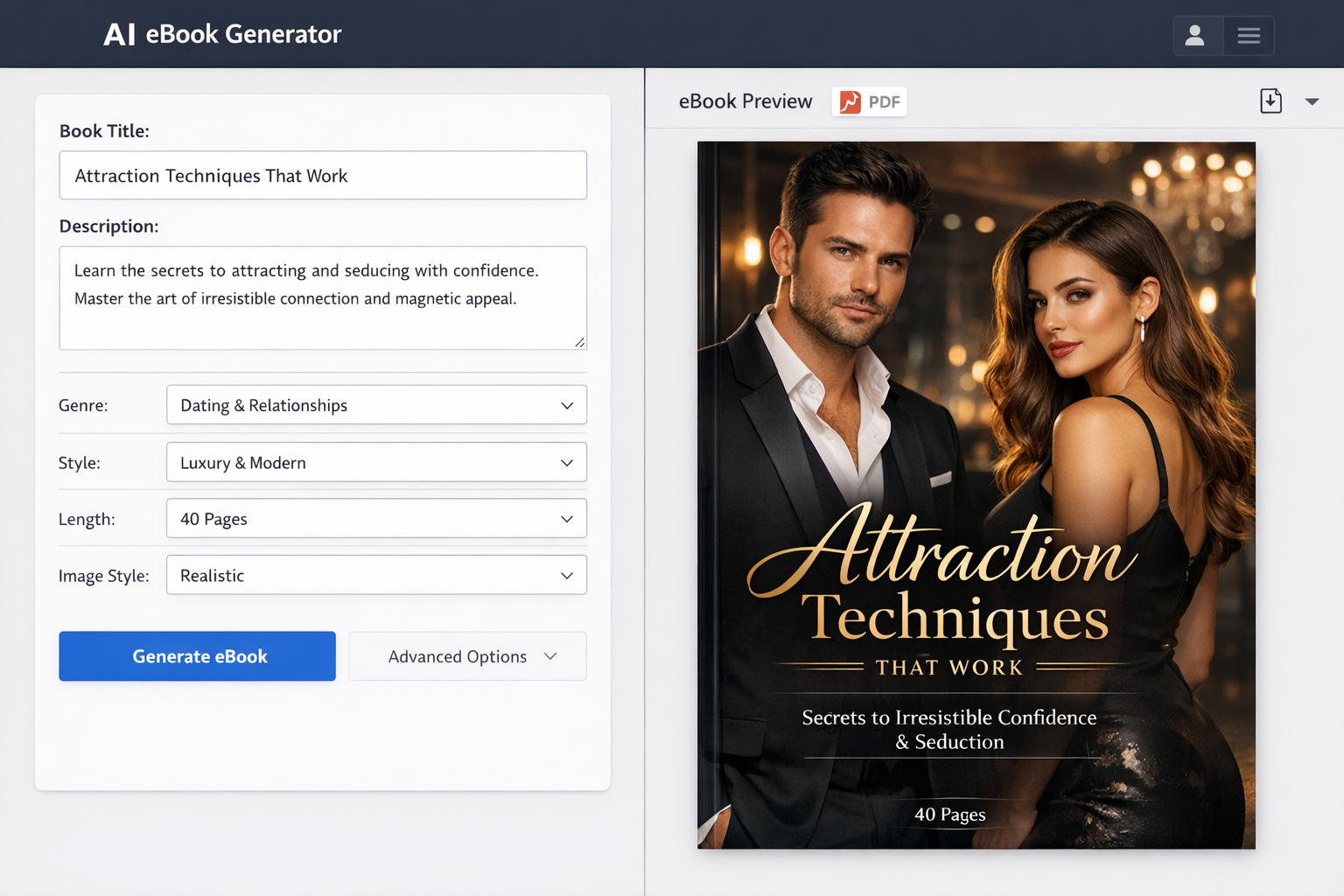
Dominant platforms such as Amazon Kindle, Apple Books, Google Play Books, and Kobo have established extensive ecosystems for eBook distribution and reading. Additionally, innovative platforms like Makeebook have emerged, offering user-friendly tools for authors and enhanced reading experiences for consumers. These key players continue to invest in technology, marketing, and content diversity to capture larger market shares.
Popular Genres and Reader Demographics
Genres such as romance, mystery, science fiction, and self-help tend to perform strongly in the eBooks market. Younger audiences, particularly millennials and Gen Z, show a marked preference for digital formats, while older readers often appreciate the convenience of adjustable fonts and backlighting. The market also shows growing interest in educational eBooks and professional development titles, reflecting the diverse needs of readers worldwide.
Emerging Trends Shaping the Future of eBooks
Increasing Adoption of Mobile Reading Devices
Mobile devices, including smartphones and tablets, have become primary reading tools for many consumers. The portability and multifunctionality of these devices encourage reading on the go, making eBooks more accessible than ever. As mobile technology continues to advance, we expect even greater engagement with digital reading content.
Integration of AI and Personalization in eBook Platforms
Artificial intelligence is revolutionizing how readers discover and interact with eBooks. Personalized recommendations, adaptive learning paths in educational texts, and dynamic content adjustments based on reader preferences are becoming commonplace. Platforms incorporating AI enhance user satisfaction by tailoring content to individual tastes and reading habits.
Growth of Interactive and Multimedia eBooks
The future of eBooks is increasingly interactive. Enhanced eBooks now include embedded videos, audio clips, hyperlinks, and quizzes that enrich the reading experience. This multimedia integration is especially impactful in educational and children’s books, fostering engagement and deeper learning.
Rise of Subscription-Based Models and eBook Libraries
Subscription services like Kindle Unlimited and Scribd offer readers access to vast libraries for a fixed monthly fee, appealing to voracious readers and budget-conscious consumers alike. This trend is expected to grow, as it provides a convenient, cost-effective way to explore diverse titles without purchasing each book individually.
Expansion of Self-Publishing and Indie Authors
Self-publishing platforms continue to empower indie authors, democratizing the publishing process. With tools like Makeebook, authors can create, publish, and distribute digital books with relative ease. This expansion enriches the market with a wider range of voices and niche content, challenging traditional publishing models.
Environmental Impact and the Shift Toward Digital Reading
Increasing environmental awareness is driving readers and publishers toward digital formats. eBooks reduce paper consumption and the carbon footprint associated with printing, shipping, and storage. This eco-friendly aspect of eBooks aligns with global sustainability goals and resonates with eco-conscious consumers.
Technological Innovations Impacting eBooks
Enhanced eReaders and Display Technologies
Innovations in eReader hardware, such as higher resolution e-ink displays, adjustable front lighting, and longer battery life, continue to improve user comfort. New flexible and foldable screen technologies promise to further transform the way people read digital books, making devices lighter and more portable.
Use of Augmented Reality (AR) and Virtual Reality (VR)
AR and VR are beginning to find their place in the eBooks market by creating immersive reading experiences. Imagine stepping inside a story or interacting with three-dimensional characters and environments. These technologies open new storytelling possibilities, especially for education, gaming, and children’s literature.
Blockchain for Copyright Protection and Royalty Tracking
Blockchain technology offers solutions for secure copyright management and transparent royalty distribution. By recording transactions on immutable ledgers, authors and publishers can better protect their intellectual property and ensure fair compensation. This innovation may become a critical tool in the fight against digital piracy.
Advances in Text-to-Speech and Accessibility Features
Improved text-to-speech engines and customizable accessibility options make eBooks more inclusive. Features like voice selection, reading speed adjustment, and support for visually impaired readers expand the market by catering to diverse needs. These advancements ensure that digital reading remains accessible to everyone.
Market Predictions and Future Outlook
Projected Market Growth and Revenue Forecasts
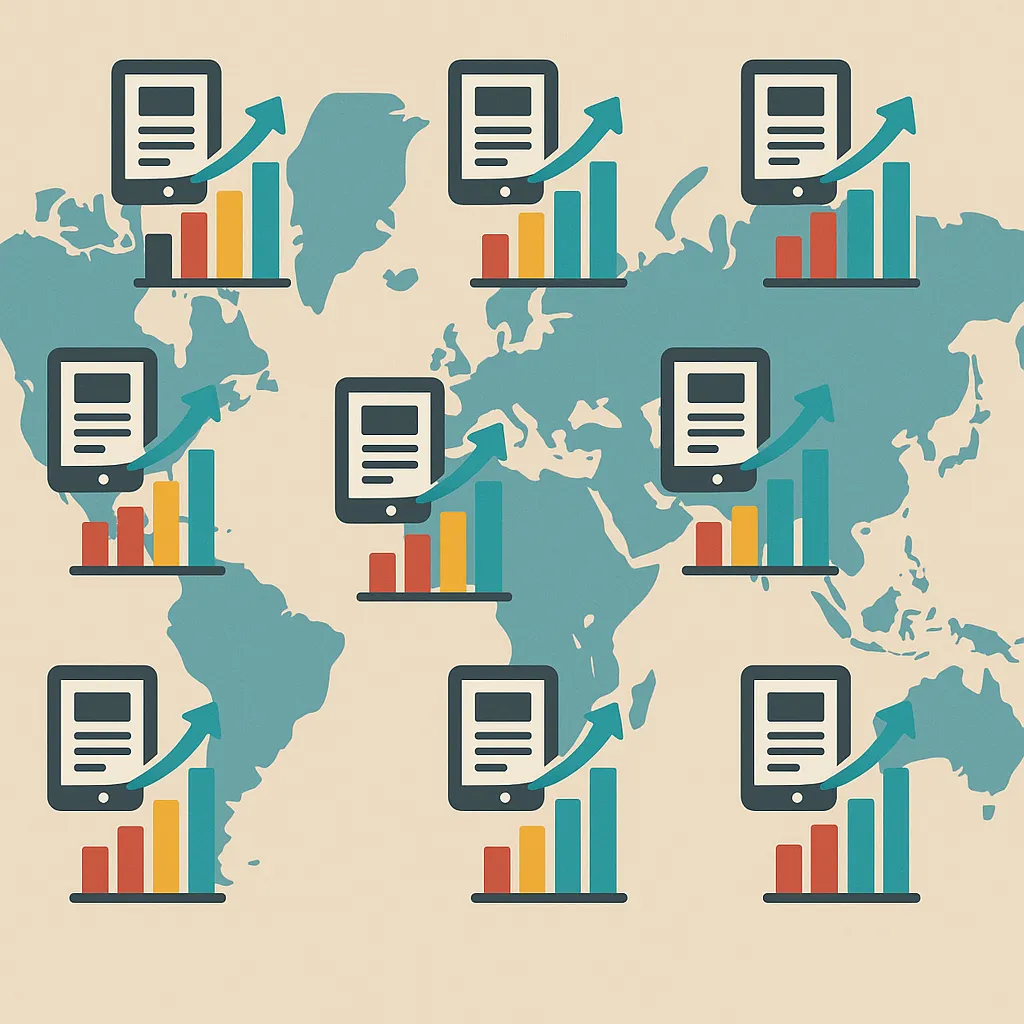
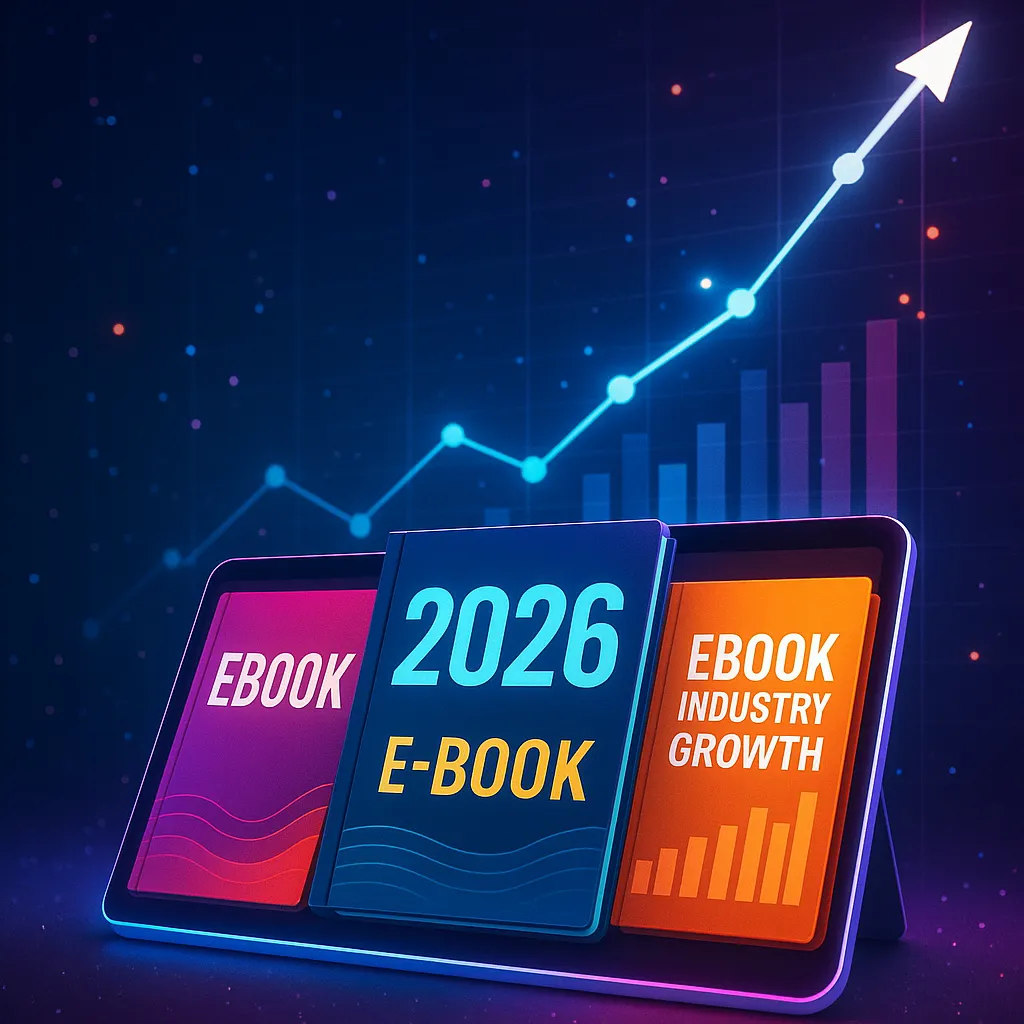
Analysts predict the eBooks market will continue its upward trajectory, driven by technological progress and expanding global readership. Emerging markets in Asia, Africa, and Latin America are expected to contribute significantly to growth due to rising smartphone adoption and internet availability.
Potential Changes in Consumer Behavior
As consumers become more accustomed to digital content, preferences may shift toward shorter formats, serialized content, and interactive storytelling. The convenience of instant access and multimedia enhancements will shape how people consume literature, blending reading with entertainment.
Impact of Global Events and Economic Factors
Global events such as pandemics, economic downturns, and changes in education systems influence the eBooks market. For instance, remote learning during the COVID-19 pandemic accelerated digital adoption in education. Economic factors affecting disposable income may also encourage subscription models and affordable eBook options.
Opportunities for Publishers and Authors
Publishers and authors have opportunities to leverage emerging trends by investing in digital-first strategies, embracing new formats, and engaging with readers through direct channels. Collaboration with technology providers and platforms like Makeebook can streamline publishing workflows and enhance market reach.
Challenges Facing the eBooks Market
Competition from Audiobooks and Podcasts
Audiobooks and podcasts have surged in popularity, competing for consumers’ attention and entertainment time. While some readers may prefer listening over reading, eBooks must innovate to complement or integrate with audio formats to maintain relevance.
Digital Piracy and Copyright Issues
Unauthorized distribution remains a persistent challenge, threatening revenue streams and intellectual property rights. Despite technological protections, piracy requires ongoing vigilance and legal enforcement to safeguard creators and publishers.
Market Saturation and Discoverability Problems
With millions of titles available, discoverability becomes a major hurdle for authors and publishers. Readers may feel overwhelmed, making it harder for new or indie authors to gain visibility. Effective marketing, curation, and recommendation algorithms are crucial to address this issue.
Technological Barriers in Emerging Markets
While digital reading is growing globally, infrastructure gaps and device affordability limit access in many developing regions. Overcoming these barriers requires investments in technology, affordable devices, and localized content to tap into these vast potential markets.
Strategies for Stakeholders to Thrive in the Future Market
Embracing Innovation and Technology
Stakeholders should adopt cutting-edge technologies such as AI, AR/VR, and blockchain to enhance content creation, distribution, and reader engagement. Continuous innovation keeps the market dynamic and responsive to evolving consumer needs.
Building Strong Author-Reader Communities
Engaging readers through social media, interactive platforms, and direct communication fosters loyalty and feedback. Communities also help amplify word-of-mouth marketing and create a sense of belonging around content and authors.
Leveraging Data Analytics for Market Insights
Data-driven decision-making helps identify trends, reader preferences, and market gaps. Analytics enable tailored marketing campaigns, optimized pricing, and improved content recommendations, ultimately driving sales and satisfaction.
Fostering Sustainable and Ethical Publishing Practices
Commitment to sustainability, fair compensation, and diversity enhances brand reputation and reader trust. Ethical practices resonate with modern consumers who increasingly value corporate responsibility alongside quality content.
Conclusion
Summary of Key Trends and Predictions
The future of the eBooks market is poised for exciting growth and transformation. Mobile reading, AI personalization, interactive content, and sustainable practices will define the industry’s evolution. Technological innovations and expanding global access will unlock new opportunities while presenting fresh challenges.
Final Thoughts on the Future of the eBooks Market
For authors, publishers, and technology providers, embracing change and prioritizing reader experience is essential. Platforms like Makeebook exemplify how innovation can empower creators and enrich readers simultaneously. Ultimately, the eBooks market will continue to thrive by balancing tradition with forward-thinking strategies, creating a vibrant digital literary ecosystem for years to come.