Latest eBook Trends 2026: What to Expect in the Digital Reading World
Introduction
The digital reading landscape continues to evolve at a rapid pace, redefining how readers access, consume, and interact with eBooks. As we step into 2026, the convergence of innovative technologies, shifting consumer behaviors, and new market dynamics is setting the stage for an exciting era in digital publishing. Staying informed about the latest eBook trends is essential not only for avid readers but also for authors, publishers, and platforms looking to remain competitive and relevant.
In this article, we will explore key trends shaping the eBook ecosystem in 2026 — from technological breakthroughs and changing reader preferences to industry developments and future outlooks. Whether you’re a content creator or a digital book lover, understanding these patterns can help you navigate and embrace the future of reading.
Technological Advancements Shaping eBooks in 2026
Enhanced eReader Devices and Displays
One of the most visible signs of progress in the eBook world is the continuous improvement of eReader devices. In 2026, e-ink technology has advanced significantly, offering sharper, more vibrant color displays that rival traditional tablets while maintaining the eye-friendly qualities eReaders are known for. These displays are now more energy-efficient, allowing longer reading sessions without frequent recharging.
Flexible and foldable eReaders are also becoming mainstream, offering users portability and convenience without sacrificing screen size. These devices unfold into larger displays for immersive reading experiences but fold compactly for easy transport.
Additionally, artificial intelligence integration within eReaders is transforming how readers engage with texts. Smart AI features can adjust font sizes, contrast, and even suggest reading speeds based on user habits. Some devices now include AI-powered tutors or assistants that provide contextual explanations or summaries, making reading more personalized and interactive.
Augmented Reality (AR) and Virtual Reality (VR) in eBooks
Augmented Reality and Virtual Reality technologies are opening new frontiers for digital storytelling. AR-enhanced eBooks overlay interactive 3D models, animations, or explanatory graphics onto physical pages or digital screens, creating a multi-sensory reading experience. For example, a history eBook might allow readers to explore a 3D reconstruction of ancient architecture simply by pointing their device’s camera.
Virtual Reality takes immersion even further by placing readers inside fully interactive narratives. Through VR headsets, readers can "step into" stories, exploring virtual environments where plotlines unfold based on their choices. This immersive storytelling is especially impactful in education and entertainment sectors, offering experiential learning and novel ways to engage with content.
These immersive formats not only enhance engagement but also broaden the appeal of eBooks to audiences who value experiential content.
AI-Driven Content Creation and Curation
Artificial intelligence is playing a growing role in the creation and curation of eBooks. AI-generated content, from short stories to complex novels, is becoming more sophisticated, offering authors new tools to brainstorm ideas or co-write pieces. Adaptive narratives powered by AI can customize storylines based on reader preferences, making each reading experience unique.
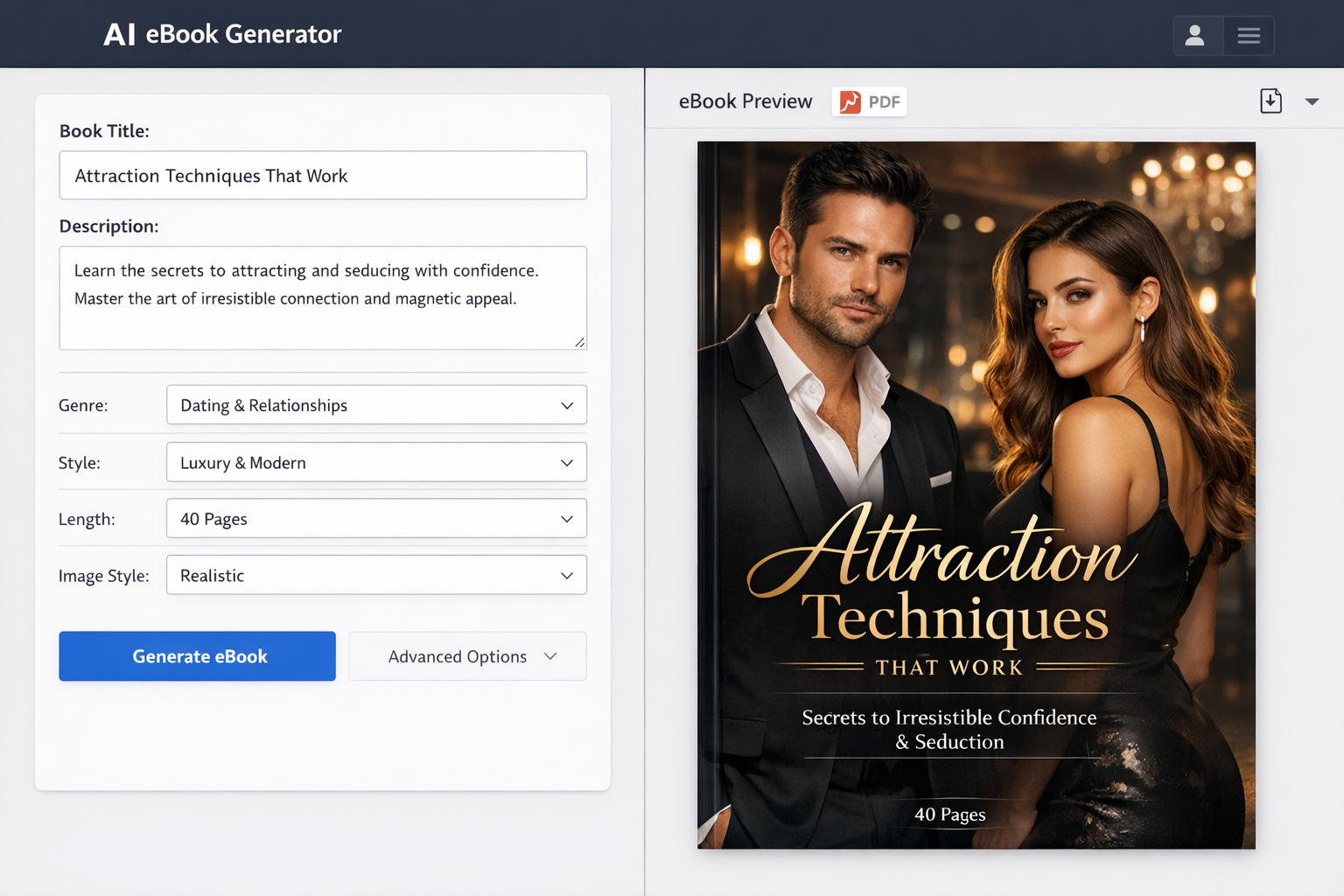
On the curation side, machine learning algorithms provide highly personalized eBook recommendations by analyzing reading habits, preferences, and even emotional responses. Services like Makeebook are leveraging these AI-driven insights to help readers discover new titles that match their interests more precisely than ever before.
Moreover, automated editing and proofreading tools powered by AI streamline the publishing process, reducing errors and enhancing quality while saving time for authors and editors.
Changing Reader Preferences and Behaviors
Rise of Audiobook and Multimedia Hybrid Formats
The boundary between eBooks and audiobooks continues to blur. In 2026, hybrid formats that seamlessly integrate audio narration, video clips, and interactive elements within eBooks are gaining traction. These multimedia eBooks offer readers the option to listen, watch, or read, catering to diverse learning styles and preferences.
Listen-read hybrid experiences enable users to switch effortlessly between reading text and listening to professional narrations or author commentaries. This format is particularly beneficial for accessibility, supporting readers with visual impairments or learning challenges, and enhancing inclusivity in digital reading.
Publishers are increasingly investing in these rich multimedia formats to boost engagement and expand their audience base.
Increased Demand for Serialized and Episodic Content
Serialized storytelling, a format popularized by classic literature and modern digital platforms alike, is experiencing renewed interest. Readers appreciate bite-sized, episodic content that fits into busy schedules and maintains suspense over time.
Subscription models supporting serialized content thrive in this environment, often resembling streaming services where readers subscribe to ongoing story releases. This trend benefits authors by providing steady income streams and fostering loyal communities around their work.
Micro-content such as short stories, chapters, or thematic episodes is also rising in popularity, reflecting a shift toward more flexible, on-the-go reading habits.
Focus on Interactive and Gamified Reading
To boost engagement, many eBooks now incorporate interactive elements such as quizzes, puzzles, and challenges embedded within the narrative. Gamification encourages readers to actively participate, deepening comprehension and enjoyment.
Successful interactive eBooks often reward readers with badges, unlock bonus content, or allow them to influence story outcomes based on quiz results or choices. This approach appeals to younger readers and those seeking more dynamic, playful experiences beyond traditional reading.
Market and Industry Trends
Growth of Subscription and Bundling Services
Subscription services for eBooks continue to expand in 2026, driven by consumer demand for affordable, convenient access to large libraries. Platforms offer unlimited reading for a monthly fee, often bundling eBooks with other digital media such as music, podcasts, or video streaming.
This bundling strategy enhances value for consumers and encourages cross-media discovery. Flexible pricing models, including tiered subscriptions and pay-per-use options, cater to diverse user preferences, driving broader adoption worldwide.
Expansion of Global and Multilingual eBook Markets
The global eBook market is becoming increasingly multilingual and diverse. Advances in localization and translation technologies enable publishers to efficiently convert content into multiple languages, broadening reach and accessibility.
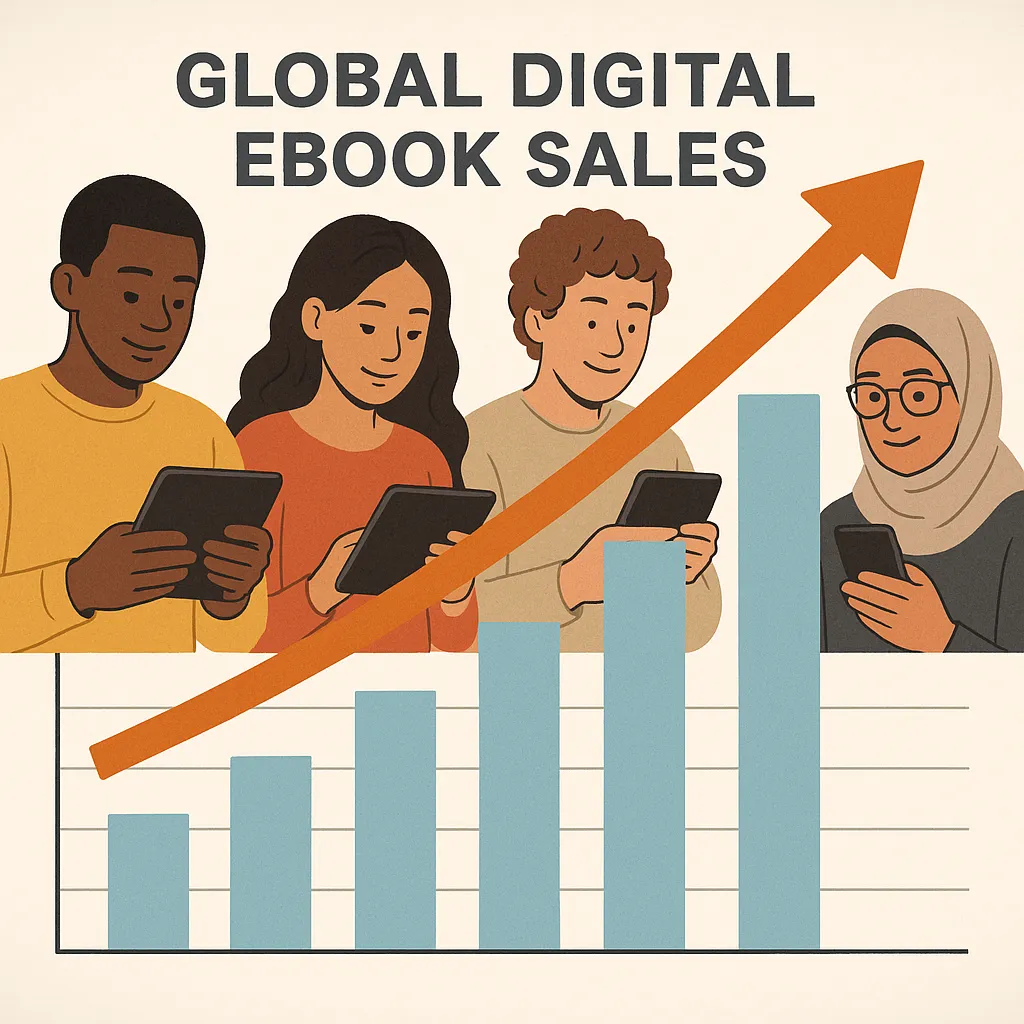
Non-English digital reading markets, particularly in Asia, Latin America, and Africa, are growing rapidly. This expansion challenges traditional publishing strategies to adapt and serve new audiences with culturally relevant content and tailored marketing approaches.
Sustainability and Eco-Friendly Publishing Practices
As environmental awareness rises, digital publishing's role in reducing the carbon footprint is gaining attention. eBooks themselves are a more sustainable alternative to print, but publishers are also adopting greener practices in production, distribution, and device manufacturing.
Consumers increasingly seek eco-friendly options, prompting platforms to highlight sustainability credentials and develop initiatives such as carbon-neutral hosting or recyclable device programs. This trend aligns with broader global efforts toward responsible consumption.
Challenges and Opportunities for Authors and Publishers
Navigating Digital Rights Management (DRM) and Piracy
Protecting digital content remains a critical challenge. DRM technologies continue to evolve, balancing security with user convenience. Overly restrictive DRM can frustrate legitimate readers, while lax protection risks piracy and revenue loss.
Innovative strategies are emerging, such as watermarking and blockchain-based rights verification, which aim to deter piracy without compromising the reading experience. Educating consumers on the value of supporting authors also plays an essential role in combating unauthorized distribution.
Monetization Strategies in a Competitive Market
With the eBook market more crowded than ever, authors and publishers are exploring diversified income streams beyond traditional sales. Merchandising, live events, exclusive content releases, and limited edition digital collectibles offer new avenues to monetize fan engagement.
Crowdfunding and patronage platforms empower creators to fund projects directly through community support, fostering closer connections with readers and greater creative freedom.
Leveraging Data Analytics for Market Insights
Data analytics is becoming indispensable for understanding audience preferences, optimizing marketing, and forecasting trends. By analyzing reader behaviors, engagement metrics, and sales patterns, publishers and authors can make informed decisions about content development and distribution.
Predictive analytics tools help identify emerging genres and reader segments, allowing stakeholders to stay ahead of the curve in this dynamic market.
Future Outlook: What to Watch Beyond 2026
Looking beyond 2026, emerging technologies like brain-computer interfaces (BCIs) may revolutionize how we consume digital content, enabling direct neural interaction with eBooks. While still experimental, such innovations could redefine immersion and accessibility in reading.
Shifts in digital reading habits will likely continue, influenced by evolving lifestyles, device ecosystems, and cultural trends. The publishing ecosystem must remain adaptable, embracing innovation to meet changing reader expectations and technological possibilities.
Conclusion
The year 2026 marks an exciting chapter in the evolution of eBooks. From breakthroughs in device technology and AI-driven content to new formats blending multimedia and interactive elements, the digital reading world is more vibrant and diverse than ever. Market shifts toward subscription services, global expansion, and sustainable practices are reshaping how books are published, distributed, and consumed.
For readers, authors, and publishers alike, adaptability and openness to innovation are key to thriving in this dynamic environment. Tools and platforms such as Makeebook exemplify how technology can empower creators and delight audiences with personalized, rich reading experiences.
By staying informed and embracing these latest eBook trends, all stakeholders can participate in a future where digital reading is more accessible, engaging, and sustainable.