Effective Strategies to Drive Traffic to Your Ebook Site
In today’s digital world, having a fantastic ebook is only half the battle. The real challenge lies in getting your target audience to visit your ebook site. Driving consistent, quality traffic not only boosts your sales but also helps build your brand’s reputation and loyal reader base. Whether you are a new author or an established publisher, understanding how to attract visitors to your ebook platform is essential for long-term success.
Understand Your Target Audience
Identify Your Ideal Reader Profiles
Before you start any marketing efforts, take time to clearly define who your ideal readers are. Consider factors such as age, gender, interests, reading habits, and pain points. Are your ebooks aimed at professionals, students, hobbyists, or fiction lovers? Knowing this helps you tailor your messaging and marketing channels effectively.
Analyze Reader Behavior and Preferences
Use tools like surveys, social media polls, or website analytics to dive deeper into what your audience enjoys. What genres do they prefer? How do they discover new ebooks? What devices do they use to read? Understanding these behavioral insights allows you to optimize your content and marketing strategies accordingly.
Use Audience Insights to Tailor Content
Once you gather enough data, customize your ebook descriptions, blog posts, and promotional campaigns to resonate with your specific audience segments. Personalization improves engagement and encourages visitors to spend more time on your site.
Optimize Your Ebook Site for SEO
Conduct Keyword Research for Ebook Niches
SEO starts with solid keyword research. Identify the phrases your potential readers type into search engines when looking for ebooks. Tools like Google Keyword Planner, Ahrefs, or SEMrush can help you find relevant keywords with good search volume and manageable competition. Consider long-tail keywords like “best mystery ebooks for teens” or “self-help ebooks for entrepreneurs.”
Optimize On-Page Elements (Titles, Meta Descriptions, Headers)
Incorporate your target keywords naturally into your page titles, meta descriptions, and header tags (H1, H2, H3). These elements are crucial for search engines to understand your content and for users to decide whether to click your site in search results. For example, an effective title might be “Top Romance Ebooks to Read in 2024 | YourSiteName.”
Improve Site Speed and Mobile Responsiveness
A fast-loading, mobile-friendly website improves user experience and SEO rankings. Optimize images, use reliable hosting, and ensure your site design adapts smoothly to smartphones and tablets. Many readers browse ebooks on mobile devices, so mobile responsiveness is key.
Create SEO-Friendly URLs and Internal Linking
Use clean, descriptive URLs that include relevant keywords, such as yoursite.com/ebook-titles/fiction. Additionally, link internally between related pages and blog posts to keep visitors engaged longer and help search engines crawl your site better.
Create High-Quality, Engaging Content
Write Compelling Ebook Descriptions and Previews
Your ebook descriptions should be clear, persuasive, and highlight the unique benefits of each title. Include enticing previews or sample chapters to give visitors a taste of your content. The goal is to spark curiosity and encourage downloads or purchases.
Maintain a Blog with Related Topics and Tips
Running a blog related to your ebooks’ themes helps attract organic traffic. Share reading lists, author interviews, writing tips, or industry news that appeal to your readers. Consistent blogging not only improves SEO but also positions your site as a valuable resource.
Use Visual Content (Images, Infographics, Videos) to Enhance Engagement
Visuals can significantly increase engagement and sharing. Use attractive ebook covers, infographics summarizing key points, or short book trailers and author video messages. Visual content makes your site more dynamic and appealing.
Leverage Social Media Marketing
Choose the Right Platforms for Your Audience
Not every social platform fits every niche. Identify where your target readers spend their time. For example, Instagram and TikTok work well for younger audiences, while Facebook and LinkedIn may be better for professional or older readers.
Share Valuable Content and Promotions Regularly
Post consistently about new releases, special discounts, behind-the-scenes author stories, and relevant book-related content. Use hashtags strategically to increase reach and attract interested followers.
Engage with Followers and Build a Community
Respond to comments, ask questions, and encourage discussions. Building a loyal community around your ebook brand creates word-of-mouth referrals and repeat visitors.
Use Paid Social Ads to Target Specific Demographics
Social media platforms offer powerful targeting options for paid ads. You can promote your ebooks to users based on age, interests, location, and behaviors, ensuring your budget reaches the right audience.
Utilize Email Marketing
Build an Email List with Lead Magnets (Free Chapters, Discounts)
Offer freebies such as free ebook chapters, exclusive discounts, or reading guides in exchange for visitors’ email addresses. Email lists are among the most effective ways to nurture leads and drive repeat traffic.
Send Regular Newsletters with Updates and Offers
Keep your subscribers engaged with regular newsletters featuring new releases, upcoming promotions, or book-related content. Consistency helps maintain interest and encourages subscribers to visit your site frequently.
Personalize Email Campaigns for Better Engagement
Segment your email list based on reader preferences or past purchases to send tailored recommendations. Personalized emails improve open rates and conversions.
Collaborate and Partner with Influencers and Bloggers
Identify Influencers in Your Ebook Niche
Find bloggers, book reviewers, and social media influencers who cater to your target audience. These partners can amplify your reach and credibility.
Arrange Guest Posts, Reviews, and Giveaways
Offer guest posts or author interviews on popular book blogs. Arrange for influencers to review your ebooks or host giveaways to attract new visitors. These collaborations can generate buzz and increase traffic quickly.
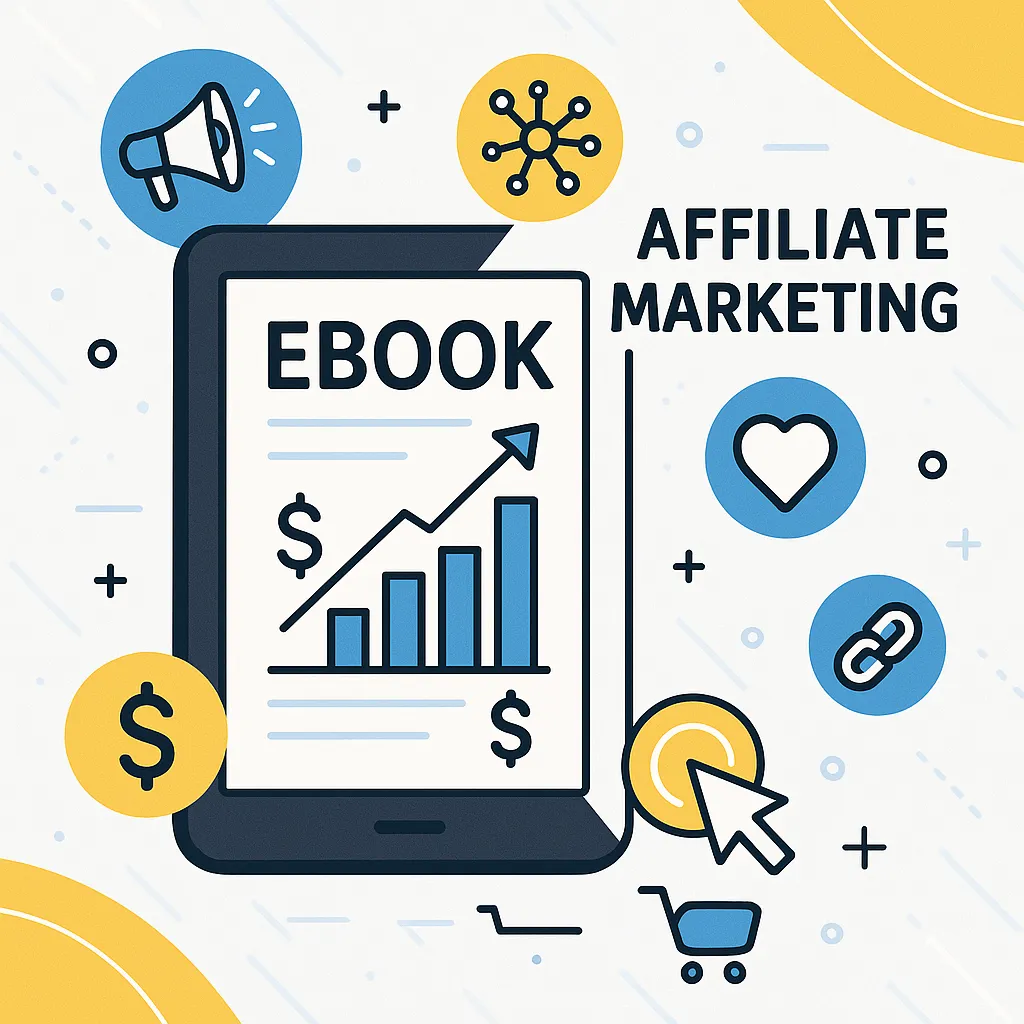
Leverage Affiliate Marketing Programs
Consider starting an affiliate program where bloggers and influencers earn commissions for ebook sales they generate. This incentivizes them to promote your ebooks actively.
Use Paid Advertising Strategically
Google Ads Targeting Ebook Keywords
Invest in Google Ads campaigns targeting specific ebook-related keywords. Carefully crafted ads can appear to users actively searching for ebooks, driving high-intent traffic.
Social Media Ads with Clear Calls-to-Action
Create eye-catching social ads that encourage users to download, buy, or learn more about your ebooks. Clear calls-to-action increase click-through rates and conversions.
Retargeting Campaigns to Re-Engage Visitors
Use retargeting ads to remind visitors who didn’t purchase or subscribe on their first visit. Retargeted ads can significantly boost conversion rates by keeping your ebooks top of mind.
Encourage User Reviews and Testimonials
Make It Easy for Readers to Leave Reviews
Include simple prompts and links on your site and in emails encouraging readers to leave honest reviews. Positive reviews build social proof and influence new visitors.
Showcase Positive Feedback on Your Site
Highlight glowing testimonials on your homepage or product pages to reinforce trust and credibility.
Use Reviews to Build Trust and Credibility
Respond to reviews professionally, whether positive or negative. Demonstrating that you value reader feedback enhances your site’s reputation.
Analyze and Adapt Your Traffic Strategies
Use Analytics Tools to Track Traffic Sources and Behavior
Leverage tools such as Google Analytics to monitor where your visitors come from, what pages they visit, and how long they stay. These insights help you understand which strategies work best.
Identify High-Performing Channels and Content
Focus your efforts on channels and content types that drive the most traffic and conversions. For example, if your blog posts about writing tips bring in steady visitors, expand that content area.
Adjust Strategies Based on Data Insights
Continuously refine your approach by testing different tactics, analyzing results, and reallocating resources to maximize traffic and sales. Flexibility is key to long-term success.
Conclusion
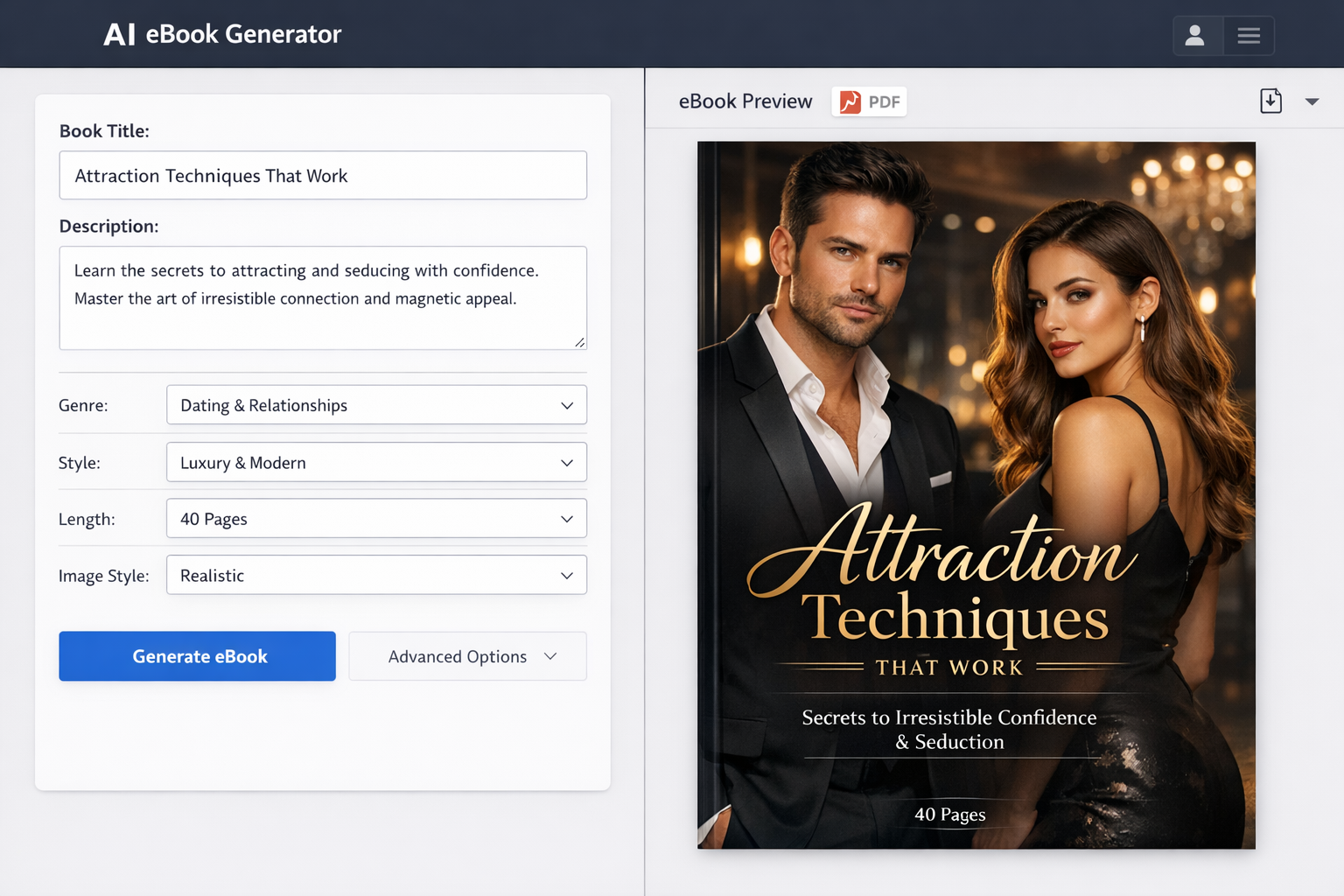
Driving traffic to your ebook site requires a multi-faceted approach that combines understanding your audience, optimizing your site, producing engaging content, and leveraging various marketing channels. Whether it’s through SEO, social media, email marketing, or partnerships, consistent and strategic efforts will gradually increase your visibility and sales. Tools like Makeebook can simplify the ebook creation process, allowing you to focus more on effective promotion. Start implementing these strategies today and watch your ebook site flourish with a steady stream of eager readers.