How to Price Your Ebook for Maximum Profit
Understanding the Importance of Ebook Pricing
Why Pricing Matters in Ebook Sales
Pricing is a critical factor that directly influences your ebook’s sales success. Even the most well-written ebook can struggle to find readers if it’s priced incorrectly. Price affects buyer behavior, perceived value, and ultimately, your profit margins. Setting the right price helps you strike a balance between attracting buyers and maximizing revenue.
The Impact of Price on Perceived Value
Price often signals quality to potential readers. A very low price might make your ebook look less professional or less valuable, while a very high price could discourage purchases, especially from new customers unfamiliar with your work. Understanding this psychological relationship is essential to setting a price that reflects the value you provide while appealing to your audience.
Balancing Profit and Accessibility
Your goal is to achieve maximum profit, but that doesn’t always mean charging the highest possible price. Sometimes, a lower price point will drive more sales volume, resulting in higher overall profits. In other cases, premium pricing can attract a niche audience willing to pay more for exclusive or in-depth content. Finding the sweet spot between profit per sale and sales volume is key.
Factors to Consider When Pricing Your Ebook
Genre and Market Demand
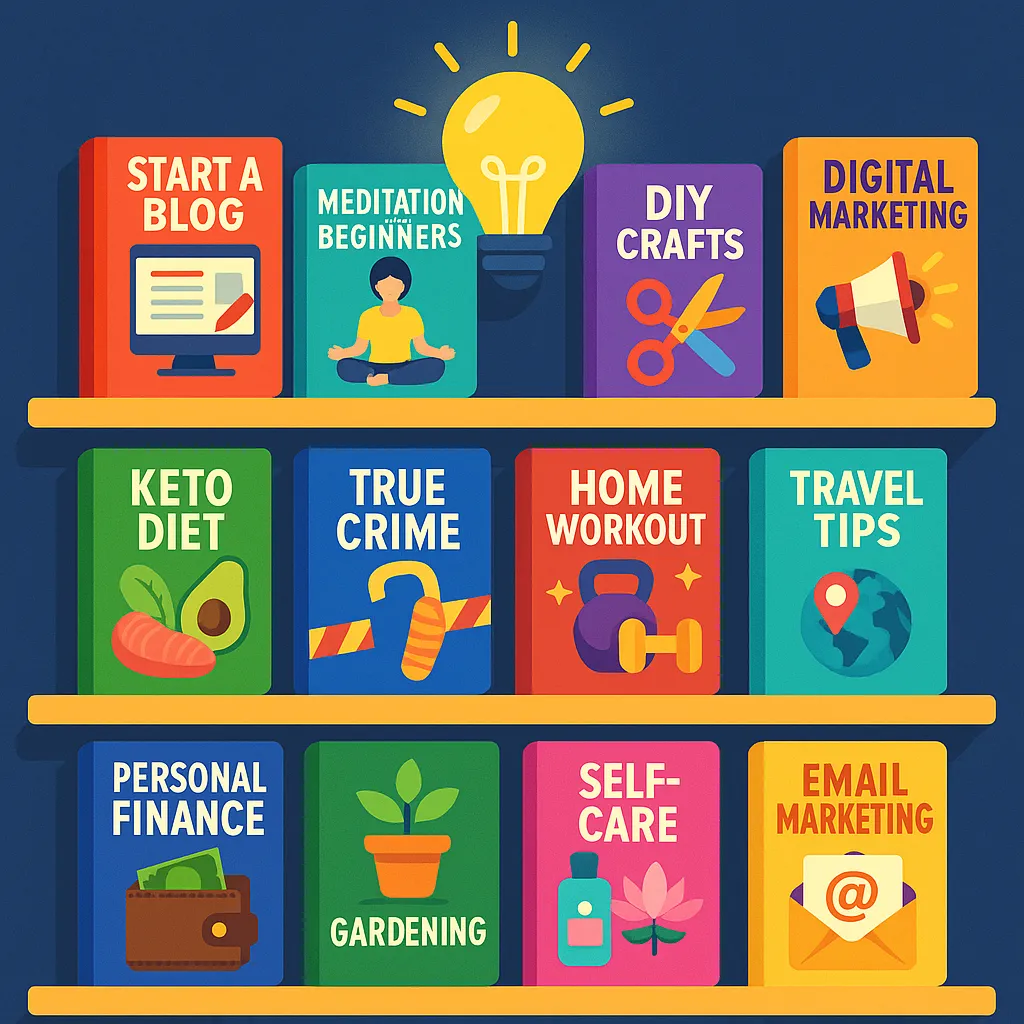
Different genres have varying pricing norms and demand levels. For example, fiction ebooks often have lower price points compared to professional or technical guides. Researching your specific genre’s market demand helps you understand what readers are willing to pay and how saturated the market is.
Length and Content Quality
Longer ebooks with comprehensive, well-researched content generally justify higher prices. If your ebook offers unique insights, actionable advice, or exclusive information, you can price it at a premium. Conversely, shorter or introductory ebooks might do better with a lower price to attract first-time readers.
Target Audience and Their Spending Habits
Understanding your audience’s budget and spending behavior is crucial. Are they casual readers, professionals investing in career development, or hobbyists looking for quick tips? Tailoring your price to what your audience can and will pay increases both sales and reader satisfaction.
Competitor Pricing Analysis
Analyzing competitors’ pricing gives you a benchmark. Look at bestsellers in your niche and note their price points. This helps you avoid pricing yourself out of the market or undervaluing your ebook. Tools like Amazon’s pricing filters and other ebook platforms provide valuable data for this research.
Your Author Brand and Reputation
If you’re an established author with a solid following, you can command higher prices thanks to your brand reputation. New authors might need to start with more competitive prices to build an audience. As your brand grows, gradually increasing your prices becomes a viable strategy.
Common Ebook Pricing Strategies
Fixed Pricing Model
This is the simplest approach: you set a single price for your ebook and keep it consistent. It works well if you have a clear understanding of your market and want to establish stable revenue. Fixed pricing is easy for customers to understand and helps build trust.
Tiered Pricing and Bundles
Offering multiple price points or bundles can boost your profits. For example, you can sell a basic ebook version at a lower price and a deluxe edition with bonus content at a higher price. Bundling your ebook with related products or courses can also increase perceived value and revenue.
Dynamic Pricing and Discounts
Dynamic pricing involves adjusting your ebook price based on market trends, demand, or special promotions. Limited-time discounts, seasonal sales, or introductory offers can increase sales volume and attract new readers. However, frequent discounting can hurt long-term perceived value, so use this strategy judiciously.
Free or Low-Cost Lead Magnets
Offering a free or very low-cost ebook can serve as a lead magnet to build your email list or introduce readers to your work. Once they trust your content, you can upsell higher-priced ebooks or services. This strategy is often used by authors leveraging platforms like Makeebook to create attractive, easy-to-distribute ebooks.
How to Research and Analyze Your Market
Using Amazon and Other Ebook Platforms for Price Research
Amazon remains the largest ebook marketplace and a goldmine for pricing data. Check similar ebooks in your genre, their prices, and sales rankings. Other platforms like Apple Books, Kobo, and Google Play Books also provide insights into pricing trends and audience preferences.
Analyzing Bestsellers in Your Niche
Look beyond price and study what makes bestsellers successful. Consider their length, content type, reader reviews, and promotional strategies. This holistic approach helps you position your ebook competitively while finding opportunities to differentiate.
Tools and Resources for Competitive Pricing Insights
Several tools can assist your pricing research. Websites like KDSpy and Publisher Rocket analyze Amazon data, revealing pricing trends, keywords, and competition intensity. Google Trends can show shifts in reader interest for your topic, helping you time your pricing and marketing efforts effectively.
Testing and Adjusting Your Ebook Price
A/B Testing Different Price Points
Experimenting with different prices on various platforms or through targeted campaigns allows you to discover the optimal price point. A/B testing helps you measure which price generates the highest revenue, factoring in both sales volume and profit margin.
Monitoring Sales and Customer Feedback
Track your sales data meticulously and pay attention to customer reviews and feedback. If readers frequently mention price or value, consider adjusting your pricing strategy. Sales trends over time can also reveal whether your price is sustainable or needs tweaking.
When and How to Raise or Lower Your Price
Raising your price may be appropriate after gaining positive reviews, building your brand, or adding new content. Lowering your price can help revive sales during slow periods or when launching a new edition. Communicate price changes transparently to maintain customer trust.
Maximizing Profit Beyond Pricing
Upselling and Cross-Selling Opportunities
Bundling your ebook with related products like courses, webinars, or companion workbooks can increase your average customer value. Suggesting other ebooks or services at the point of sale encourages additional purchases that boost overall profit.
Leveraging Reviews and Social Proof
Positive reviews and testimonials enhance perceived value, allowing you to maintain or increase your price. Encourage readers to leave honest feedback and showcase reviews prominently on your sales pages and marketing materials.
Marketing Tactics to Boost Sales at Any Price
Effective marketing, including email campaigns, social media promotion, and collaborations, can dramatically increase your ebook’s visibility and sales. Tools like Makeebook help you create professional ebooks that stand out, making your pricing strategy even more effective.
Case Studies: Successful Ebook Pricing Examples
Low-Priced Ebook with High Volume Sales
One nonfiction author priced their productivity guide at $2.99, a competitive price point that attracted a large audience. With consistent marketing and positive reviews, the ebook sold thousands of copies monthly, generating substantial cumulative profit despite the low individual price.
Premium Priced Ebook with Exclusive Content
Another author created an in-depth technical manual priced at $19.99, targeting a niche professional audience. By offering exclusive insights and actionable strategies not found elsewhere, they justified the premium price and earned significant profits with fewer but higher-value sales.
Conclusion
Recap of Key Pricing Principles
Pricing your ebook for maximum profit involves understanding your market, balancing value and accessibility, and experimenting with different strategies. Consider factors like genre, content quality, audience behavior, and competitor pricing to set an effective price. Utilize pricing models like fixed pricing, tiered options, or dynamic discounts to find what works best.
Encouragement to Experiment and Optimize
There’s no one-size-fits-all approach to ebook pricing. Continually test, monitor feedback, and adjust your price to maximize profit. Remember, your ebook’s price is part of a broader marketing and branding strategy, so use tools like Makeebook to enhance your product’s appeal and boost sales. With patience and data-driven decisions, you can find the optimal price that benefits both you and your readers.