The Ultimate Ebook Writing Checklist: Step-by-Step Guide to Success
Writing an ebook can be a rewarding way to share your knowledge, build authority, or generate income. But without a clear plan, the process often becomes overwhelming. That’s why having a comprehensive ebook writing checklist is essential. It not only keeps you organized but also ensures you don’t miss critical steps that can make or break your ebook’s success.
In this guide, you’ll discover practical, actionable steps—starting from preparation to promotion—that will help you write, design, and market your ebook effectively. Whether you’re a first-time author or looking to refine your process, following this checklist will set you on the path to success.
Preparing to Write Your Ebook
Define Your Ebook’s Purpose and Audience
Before you write a single word, it’s crucial to pinpoint who your ebook is for and what you want it to achieve. Ask yourself:
- Who are my target readers? Consider their age, interests, challenges, and level of knowledge.
- What is the main goal of my ebook? Are you aiming to educate, entertain, inspire, or sell a product or service?
Having a clear purpose and audience in mind helps you tailor your content and tone, making your ebook more engaging and relevant.
Conduct Market Research
Understanding the competitive landscape is key. Look at existing ebooks similar to your topic and analyze:
- What topics do they cover, and how?
- What are their strengths and weaknesses?
- Are there gaps or unmet needs you can fill?
This research helps you position your ebook uniquely and increases its chances of standing out in the market.
Choose a Compelling Ebook Topic
Brainstorm ideas that align with your expertise and your audience’s interests. To validate your topic:
- Check search trends and keyword popularity.
- Seek feedback from your existing audience or social media followers.
- Evaluate if the topic offers actionable value or solves a problem.
Choosing the right topic early saves time and effort later.
Outline Your Ebook Structure
Map out your ebook’s content by creating a detailed chapter-by-chapter outline. Organize your ideas logically so the reader can follow easily. A good structure might include:
- Introduction that sets the stage
- Chapters that flow naturally from one to the next
- A conclusion or call to action
Outlining helps keep your writing focused and efficient.
Writing Your Ebook
Set Realistic Writing Goals and Deadlines
Consistency is key to finishing your ebook. Set achievable daily or weekly word count targets based on your schedule. For example, 500 words a day or 2,000 words a week. Use a calendar or writing app to block dedicated writing sessions and hold yourself accountable.
Craft an Engaging Introduction
Your introduction must hook the reader immediately. Start with a compelling question, a surprising fact, or a relatable story. Clearly explain what the ebook will cover and what readers can expect to gain, setting the tone for the rest of your content.
Write Clear and Concise Chapters
Use simple, direct language and active voice to keep readers engaged. Break complex ideas into digestible parts and support them with examples, anecdotes, or relevant data. This approach makes your ebook accessible and valuable.
Use Formatting and Visual Elements
Improve readability by adding:
- Headings and subheadings to organize content
- Bullet points and numbered lists for clarity
- Images, charts, or infographics to illustrate key points
Visual elements also help readers retain information better.
Maintain Consistent Tone and Style
Choose a voice that resonates with your audience—whether professional, conversational, or motivational. Avoid jargon or overly complex terms unless necessary, and keep your style consistent throughout to build trust and connection.
Editing and Proofreading
Self-Edit Your Ebook
Once your draft is complete, take time to review it critically. Look for clarity issues, redundancies, awkward phrasing, and logical flow. Reading your work aloud can help catch mistakes and improve rhythm. Break editing into multiple passes focusing on different aspects each time.
Use Editing Tools and Software
Leverage tools like Grammarly, Hemingway Editor, or ProWritingAid to identify grammar, spelling, and style issues. These tools are invaluable for catching errors you might miss and improving sentence structure. However, don’t rely on them exclusively—human judgment is essential.
Get Feedback from Beta Readers or Editors
Find trusted beta readers or professional editors who can provide honest, constructive feedback. They can highlight unclear sections, pacing problems, or content gaps. Incorporate their suggestions to elevate the quality and polish of your ebook.
Designing and Formatting Your Ebook
Choose the Right Ebook Format
Popular ebook formats include PDF, EPUB, and MOBI. Each has its pros and cons:
- PDF: Great for fixed layouts, widely compatible, but less flexible on small screens.
- EPUB: The industry standard for most ebook readers, supports reflowable text.
- MOBI: Used primarily by Amazon Kindle devices.
Select formats based on where you plan to distribute your ebook to ensure the best reader experience.
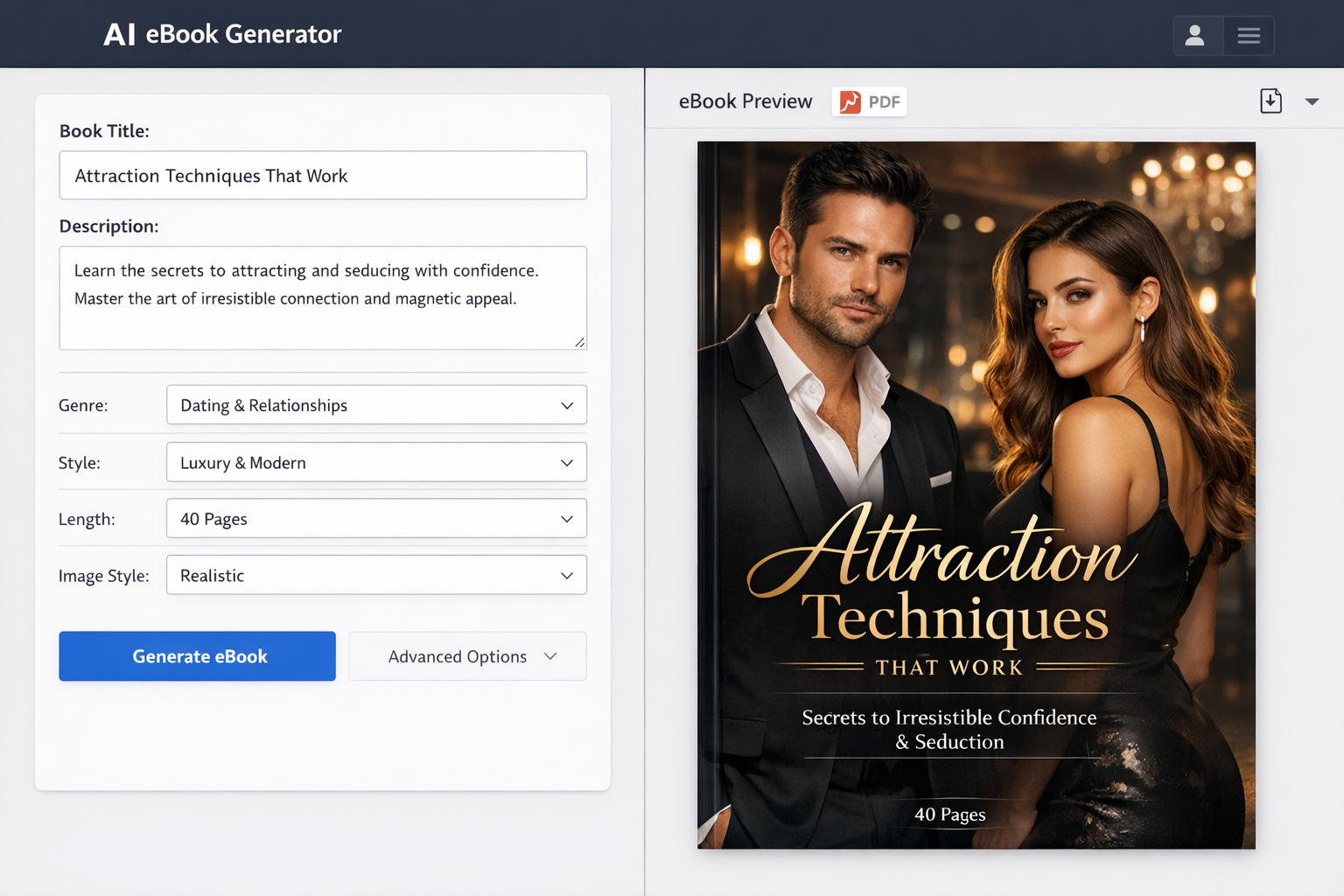
Design a Professional Ebook Cover
A visually appealing cover is your ebook’s first impression. It should be clear, attractive, and relevant to your content. You can create your own cover using tools like Canva or hire a professional designer for a polished look. Remember, investing in cover design can significantly boost sales.
Format the Ebook for Readability
Choose clean, easy-to-read fonts and sizes. Maintain consistent spacing, margins, and alignment throughout. Use paragraph breaks and avoid large blocks of text. Proper formatting improves reader comfort and keeps them engaged longer.
Publishing and Promoting Your Ebook
Select the Best Publishing Platform
Consider popular platforms such as Amazon Kindle Direct Publishing (KDP), Smashwords, Apple Books, or your own website. Each platform has distinct advantages:
- Amazon KDP: Largest audience but higher competition and exclusive options.
- Smashwords: Wide distribution to multiple stores.
- Apple Books: Popular among iOS users.
Choose based on your target market, desired reach, and control preferences.
Set Pricing and Distribution Strategy
Research similar ebooks to price competitively. Consider if you want exclusivity deals (like Amazon’s KDP Select) for promotional advantages or wider distribution through multiple channels. Your pricing and distribution decisions impact your ebook’s visibility and sales volume.
Create a Marketing Plan
Successful ebook promotion requires a multi-channel approach:
- Build and engage an email list by offering free chapters or bonuses.
- Promote on social media platforms relevant to your audience.
- Run giveaways or contests to generate buzz.
- Consider paid advertising or partnerships with influencers.
Using a platform like Makeebook can simplify the publishing and promotion process, helping you reach your audience more effectively.
Monitor Performance and Gather Reviews
Track your ebook’s sales, downloads, and reader engagement metrics. Encourage satisfied readers to leave reviews on retail platforms or social media. Positive reviews boost credibility and attract new readers, creating a virtuous cycle of growth.
Conclusion
Writing an ebook is a journey that requires careful planning, disciplined writing, thorough editing, attractive design, and strategic promotion. This ultimate ebook writing checklist covers every critical step to help you deliver a polished, valuable product to your audience.
By following this step-by-step guide, you minimize common pitfalls and maximize your ebook’s potential. Remember, consistency and quality are your best allies. Start with a clear purpose, keep your readers in mind at every stage, and don’t hesitate to use resources like Makeebook to streamline the process.
Your ebook success story begins with a single step—use this checklist as your roadmap and bring your ideas to life confidently and effectively.