Top Ebook Business Ideas for Beginners to Start Today
Introduction
Why Start an Ebook Business?
Entering the ebook business is one of the smartest moves for beginners looking to create a steady income stream with low upfront costs. With the rise of digital reading and mobile devices, ebooks have become a popular medium for sharing knowledge, stories, and expertise. Starting an ebook business allows you to publish quickly, reach a global audience, and maintain full creative control.
Benefits of Ebook Businesses for Beginners
For beginners, ebook businesses offer several advantages:
- Low startup costs: Unlike physical publishing, ebooks require minimal investment in printing or inventory.
- Flexibility: You can work from anywhere and set your own schedule.
- Scalability: Once created, an ebook can be sold repeatedly without additional production costs.
- Creative freedom: You choose your topics, style, and pricing.
- Quick publishing process: Many platforms allow you to upload and start selling within days.
What You Need to Get Started
To launch your ebook business, you primarily need a strong idea, dedication to writing or outsourcing, and a basic understanding of digital publishing tools. Platforms like Makeebook simplify the process by offering easy tools to format and publish your ebooks seamlessly. Additionally, having a clear marketing plan and understanding your target audience will set you on the path to success.
Popular Ebook Business Ideas for Beginners
Self-Help and Personal Development Ebooks
Self-help remains one of the most lucrative ebook niches. Beginners can write about productivity, mindset, motivation, habits, or time management. These topics resonate widely, allowing you to build a loyal audience eager for actionable advice.
Health and Wellness Guides
Health and wellness ebooks cover nutrition, fitness routines, mental health, mindfulness, and holistic living. If you have expertise or passion in these areas, you can create guides that help readers improve their quality of life.
How-To and DIY Manuals
Practical how-to guides are always in demand. From home improvement projects to crafts, gardening, or tech tutorials, these ebooks provide step-by-step instructions that empower readers to learn new skills.
Niche Fiction and Short Stories
If creative writing is your strength, niche fiction such as romance, sci-fi, fantasy, or mystery can attract dedicated fans. Short story collections or serialized fiction also work well, especially when marketed on platforms tailored to readers.
Educational and Academic Resources
Students and professionals seek ebooks that simplify complex topics or provide study aids. Creating summaries, cheat sheets, or exam preparation guides can fill this valuable niche.
Cookbooks and Recipe Collections
Food lovers appreciate unique recipes, dietary-specific cookbooks (vegan, keto, gluten-free), or cultural cuisine collections. High-quality photos and clear instructions help make your ebook stand out.
Business and Marketing Ebooks
Entrepreneurs and freelancers look for guides on launching startups, marketing strategies, social media growth, or freelancing tips. Sharing your experience in these areas can attract a professional audience.
Travel Guides and Tips
Travel ebooks featuring insider tips, budget itineraries, or destination highlights appeal to wanderlust readers. Including practical advice like packing lists or travel hacks adds value.
How to Choose the Right Ebook Business Idea
Identifying Your Passion and Expertise
Starting with a topic you are passionate about or knowledgeable in ensures you stay motivated and create authentic, valuable content. Reflect on your skills, hobbies, and experiences to find a good match.
Researching Market Demand and Trends
Use tools like Google Trends, keyword research, and ebook marketplaces to gauge what topics are currently popular. This helps ensure there’s a ready audience for your ebook.
Assessing Competition and Differentiation
Analyze existing ebooks in your niche to identify gaps or ways you can offer something unique—whether that’s a fresh perspective, additional resources, or better design.
Evaluating Profitability and Monetization Options
Consider how you can price your ebook competitively and what additional revenue streams you might add, such as upselling courses, memberships, or consulting services linked to your ebook’s content.
Steps to Start Your Ebook Business Today
Planning Your Ebook Content
Outline your ebook clearly before writing. Break down the content into chapters or sections, and set realistic writing goals. Planning helps maintain focus and ensures your ebook flows logically.
Writing and Editing Your Ebook
Write your first draft without worrying about perfection. Once done, edit thoroughly or consider hiring a professional editor to polish your work. Quality writing improves credibility and reader satisfaction.
Designing an Attractive Ebook Cover
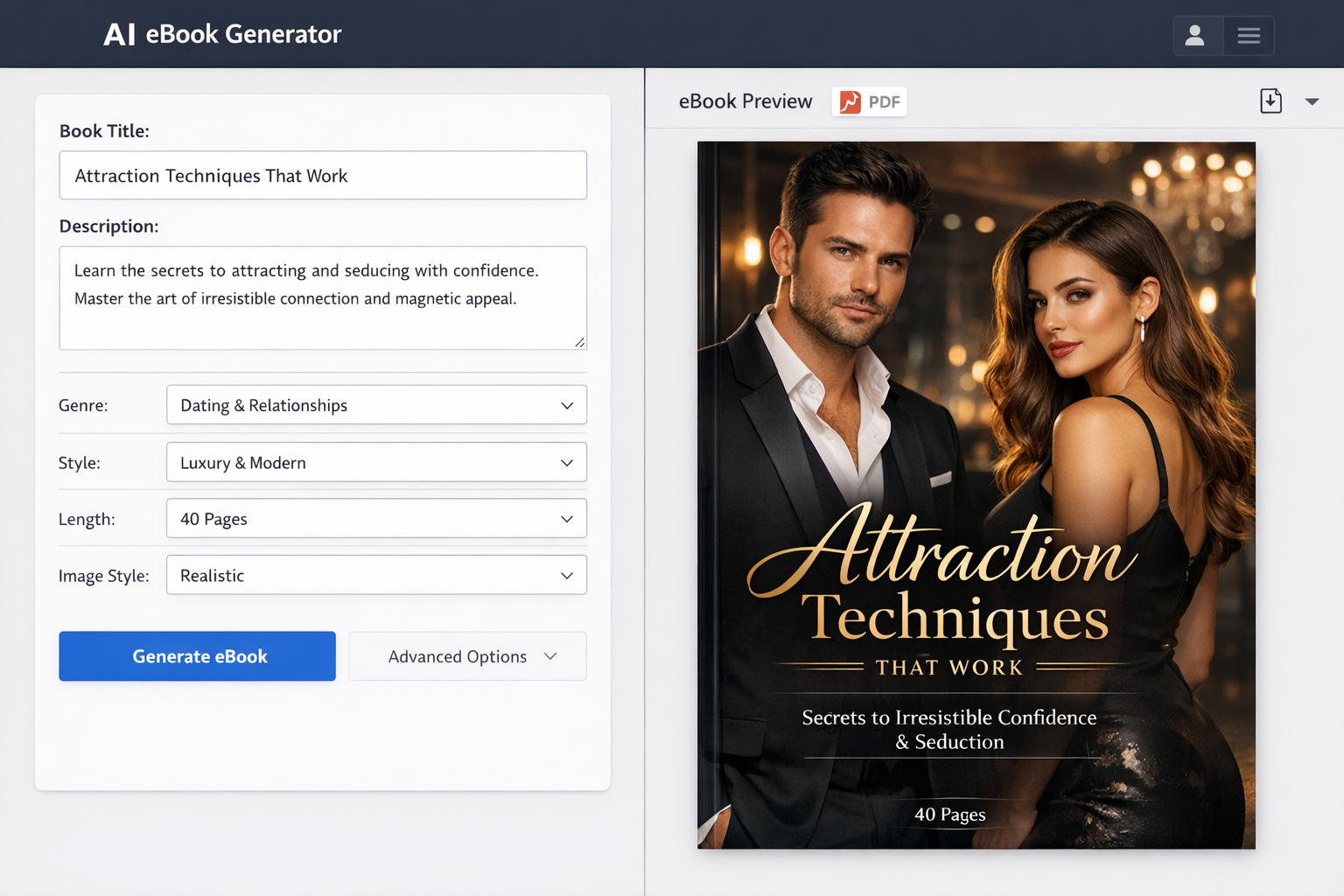
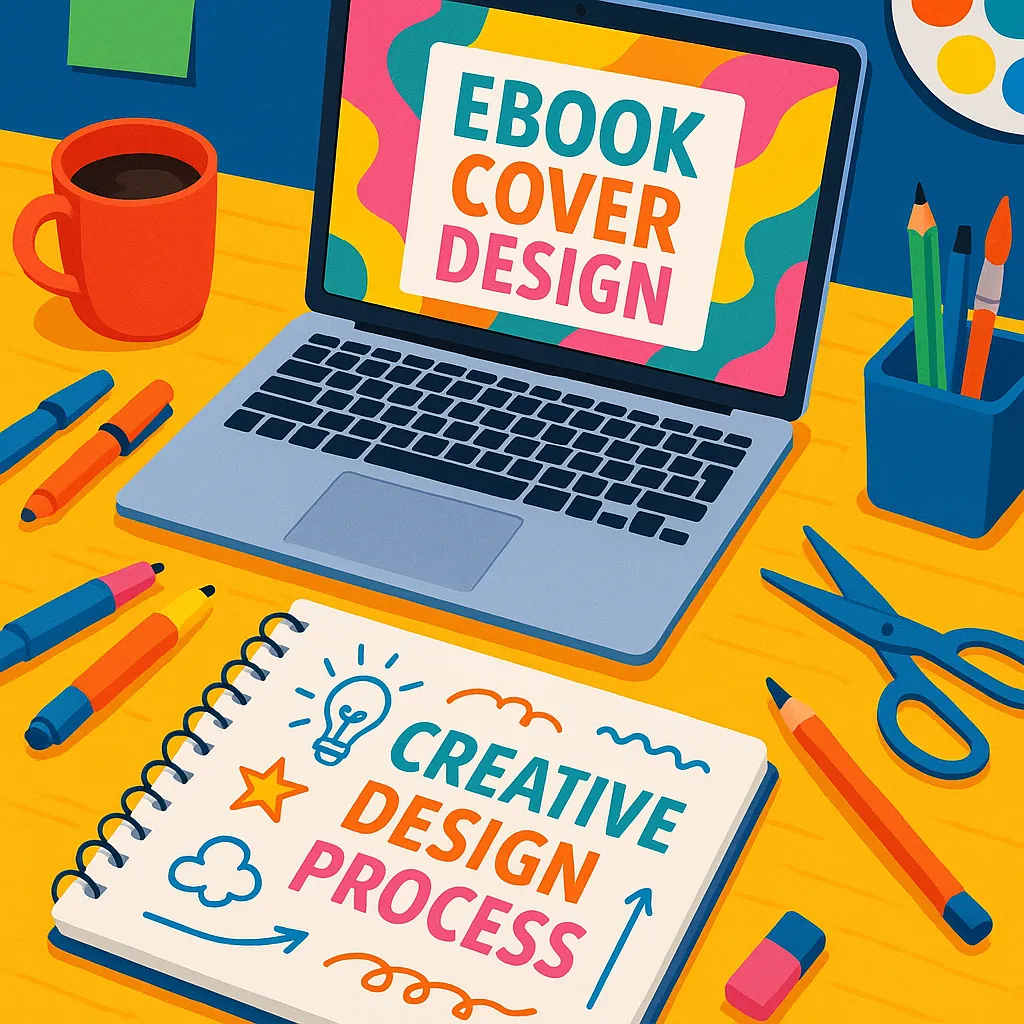
Your ebook cover is the first impression potential buyers get. Use clean, eye-catching designs with readable fonts and relevant imagery. Tools like Canva or Adobe Spark make cover design accessible for beginners.
Formatting Your Ebook for Different Platforms
Ensure your ebook is formatted correctly for popular formats like EPUB, MOBI, and PDF. Proper formatting improves readability across devices. Platforms like Makeebook often offer formatting support to simplify this step.
Choosing the Right Publishing Platform
Select platforms based on your target audience and sales goals. Amazon Kindle Direct Publishing (KDP) is the largest, but you may also consider Apple Books, Kobo, or niche-specific sites. Some platforms provide marketing tools and royalty management.
Marketing and Promoting Your Ebook
Effective marketing includes building an author website, leveraging social media, running email campaigns, and participating in online communities related to your ebook’s topic. Consider offering free samples or discounts to generate interest.
Tools and Resources for Ebook Beginners
Writing and Editing Software
- Microsoft Word or Google Docs for drafting
- Grammarly for grammar and style checking
- Scrivener for organized long-form writing
Design Tools for Ebook Covers
- Canva – easy drag-and-drop design
- Adobe Photoshop or Illustrator for advanced design
- Makeebook’s cover design features for streamlined publishing
Ebook Formatting Tools
- Calibre – free ebook converter and editor
- Vellum – Mac-only formatting software
- Makeebook platform for integrated formatting and publishing
Platforms to Publish and Sell Ebooks
- Amazon Kindle Direct Publishing (KDP)
- Apple Books
- Kobo Writing Life
- Makeebook – an all-in-one platform for beginners
- Gumroad or Payhip for direct sales
Marketing and Analytics Tools
- Mailchimp or ConvertKit for email marketing
- Google Analytics for tracking website traffic
- Facebook and Instagram Ads for targeted promotion
Tips for Growing and Scaling Your Ebook Business
Building an Author Brand
Establish a consistent voice and visual style across your ebooks, website, and social media. Engage with your audience regularly to foster trust and loyalty.
Leveraging Social Media and Email Marketing
Use social media channels to share valuable content, sneak peeks, and updates. Build an email list to nurture leads with newsletters, promotions, and exclusive offers.
Creating a Series or Bundle Offers
Consider writing a series of related ebooks or bundling multiple titles to increase average sales per customer. Bundles also provide value and encourage larger purchases.
Collaborations and Cross-Promotions
Partner with other authors or influencers in your niche to expand your reach. Joint webinars, giveaways, or guest blog posts create mutually beneficial exposure.
Collecting and Using Customer Feedback
Encourage readers to leave reviews and provide feedback. Use this input to improve future ebooks and tailor your marketing messages to better meet audience needs.
Common Challenges and How to Overcome Them
Writer’s Block and Staying Motivated
Break your writing into small tasks and set daily goals. Take breaks, change your environment, or try freewriting exercises to overcome creative blocks.
Managing Time and Productivity
Create a realistic schedule balancing writing, marketing, and personal time. Use productivity apps like Trello or Todoist to stay organized and focused.
Handling Technical Issues
Learn basic formatting and publishing skills gradually. Rely on user-friendly platforms like Makeebook that offer support and automation to reduce technical hurdles.
Dealing with Competition
Focus on your unique voice and niche. Continuous learning, improving quality, and effective marketing help you stand out even in crowded markets.
Conclusion
Recap of Top Ebook Business Ideas
Whether you choose self-help, health guides, fiction, or business ebooks, the key is to pick a niche that aligns with your passion and market demand. Starting small with practical ideas can lead to lasting success.
Encouragement to Take Action Today
Don’t wait for the perfect moment—start planning and writing your ebook today. The digital publishing world is accessible and full of opportunities for beginners willing to learn and persist.
Final Tips for Success
Remember to focus on quality, invest in good design, and market consistently. Utilize platforms like Makeebook to streamline your publishing process and reach readers faster. With dedication and smart strategies, your ebook business can thrive.