Rich Dad Poor Dad Summary PDF - Key Insights and Takeaways
Introduction
Rich Dad Poor Dad by Robert Kiyosaki is one of the most influential personal finance books of the last few decades. It offers a fresh perspective on money, investing, and financial independence that challenges conventional wisdom. At its core, the book emphasizes the importance of financial literacy — a skill often overlooked in traditional education.
This article aims to provide a comprehensive summary of Rich Dad Poor Dad, highlighting the key insights and practical takeaways you can apply to your own financial journey. Whether you're a beginner or looking to deepen your understanding, this guide will equip you with valuable knowledge. For those interested, you can also find a Rich Dad Poor Dad summary PDF to reference later.
About the Author and the Book
Robert Kiyosaki is an entrepreneur, investor, and motivational speaker who has dedicated much of his career to educating people about money management and investing. His background includes experience in business, real estate, and financial education, which informs the practical advice he shares.
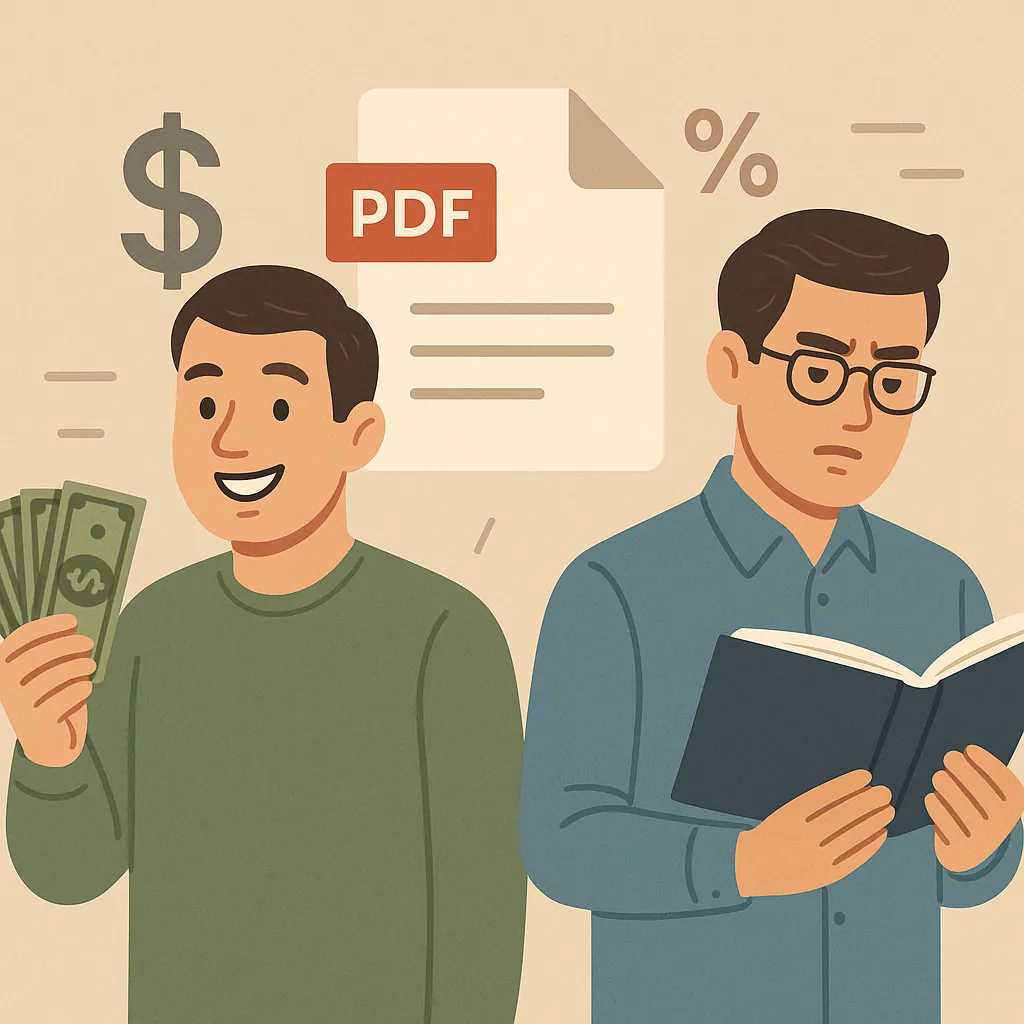
The unique concept of “Rich Dad” vs. “Poor Dad” refers to two father figures in Kiyosaki’s life. His biological father, the “Poor Dad,” was highly educated but financially struggling, while his friend’s father, the “Rich Dad,” was a savvy businessman and investor. This contrast forms the foundation of Kiyosaki’s teachings and challenges traditional views on work, money, and success.
Since its release, Rich Dad Poor Dad has gained massive popularity worldwide, inspiring millions to rethink their approach to wealth creation and financial freedom.
Summary of Rich Dad Poor Dad
The Two Dads and Their Mindsets
- Poor Dad: Believed in formal education, job security, and working hard for a steady paycheck. He viewed money conservatively and often avoided risks.
- Rich Dad: Emphasized financial education, entrepreneurship, and making money work for you. He believed in investing, taking calculated risks, and building assets that generate income.
Kiyosaki’s exposure to these contrasting philosophies shaped his understanding of money. He learned that financial success is less about how much you earn and more about how you manage and grow your money.
The Importance of Financial Education
One of the book’s central messages is that traditional schooling doesn’t adequately prepare people for managing their finances. Most schools teach academic and professional skills but neglect financial literacy. This gap leads many to struggle with money despite good jobs.
Kiyosaki stresses the difference between assets and liabilities. Assets put money in your pocket (like investments or rental properties), while liabilities take money out (like excessive loans or consumer debt). Understanding this distinction is crucial for building wealth.
Key Lessons on Money and Investing
- Acquiring Assets: Focus on buying things that increase your net worth and create passive income streams.
- Cash Flow: Prioritize investments that generate steady income rather than just capital gains.
- Entrepreneurship and Investing: Developing a mindset of ownership and control through business ventures and smart investing is vital.
Key Insights from Rich Dad Poor Dad
Mindset Shift: From Employee to Investor
Kiyosaki encourages readers to think beyond the traditional employee mindset, which focuses on earning a paycheck and job security. Instead, he advocates becoming an investor or entrepreneur who builds multiple income streams. This shift allows for greater financial freedom and security over time.
The Role of Financial Intelligence
Financial intelligence involves understanding how money works and how to make it work for you. It requires learning about taxes, markets, investing strategies, and risk management. Kiyosaki emphasizes that improving your financial IQ is an ongoing process that pays dividends in wealth accumulation.
Overcoming Fear and Taking Risks
Fear of losing money or failing often holds people back from pursuing financial opportunities. Kiyosaki points out that calculated risks are necessary to grow wealth. Learning to manage fear and uncertainty is a critical skill for anyone striving for financial independence.
The Value of Continuous Learning
Financial markets and opportunities constantly evolve. Kiyosaki stresses the importance of investing in yourself through education, reading, and networking. Staying informed about new financial trends and strategies enables smarter decisions and long-term success.
Practical Takeaways for Readers
Building Your Own Asset Portfolio
Start by identifying assets that can generate income or appreciate in value, such as:
- Rental real estate
- Stocks and dividend-paying shares
- Small businesses or franchises
- Intellectual property or royalties
Be cautious to avoid liabilities that masquerade as assets, like a new car that depreciates or high-interest consumer debt.
Developing Multiple Income Streams
Relying on a single paycheck can be risky. Consider building additional income through:
- Side businesses or freelancing
- Real estate investments
- Stock market portfolios
- Online ventures and digital products
These streams can provide financial resilience and accelerate wealth-building.
Managing Money Wisely
Effective money management is foundational. Key practices include:
- Creating and sticking to a budget
- Tracking expenses to control unnecessary spending
- Planning for taxes and retirement
- Building an emergency fund
Consistent financial discipline complements investment efforts and ensures stability.
Where to Find the Rich Dad Poor Dad Summary PDF
If you prefer a concise and portable version of the key lessons from Rich Dad Poor Dad, there are many summary PDFs available online. Websites like Makeebook offer reliable, well-organized summaries that capture the essence of the book in an easy-to-digest format.
When searching for a summary PDF, always ensure the source is legitimate and respects copyright laws. Avoid unauthorized or pirated copies to support the author and publishers. Many platforms provide free summaries legally or affordable paid versions with added insights.
Conclusion
Rich Dad Poor Dad delivers timeless wisdom about money, mindset, and financial freedom. Its lessons challenge conventional thinking and empower readers to take control of their financial future. By understanding the differences between assets and liabilities, embracing financial education, and cultivating an investor’s mindset, anyone can improve their financial situation.
Applying these insights — whether by building assets, managing money wisely, or overcoming fear — is the real key to lasting success. For those who want a handy reference, accessing a Rich Dad Poor Dad summary PDF through trusted sources like Makeebook can be an excellent step.
Ultimately, financial empowerment starts with knowledge and action. Start today by learning, planning, and taking steps toward your own wealth-building journey.