How to Rank Your Book on Amazon KDP: Proven Strategies for Success
Amazon Kindle Direct Publishing (KDP) has revolutionized the way authors publish and sell books. For self-published authors, understanding how to rank a book on Amazon KDP is essential to maximize sales and reach a broader audience. Ranking higher on Amazon means greater visibility, increased credibility, and ultimately more readers discovering your work.
In this article, you will learn practical, proven strategies to improve your book’s ranking on Amazon KDP. From understanding Amazon’s ranking system to optimizing your listing and driving sales, this guide is designed to help authors like you achieve success in the competitive world of self-publishing.
Understanding Amazon’s Book Ranking System
How Amazon’s Algorithm Works
Amazon uses a complex algorithm to determine how books rank in search results and category listings. While the exact details are proprietary, several key factors influence ranking:
- Sales Velocity and Recent Sales Impact: Amazon places significant emphasis on how many copies of your book sell over a recent period. Consistent and recent sales boost your ranking more than older sales.
- Customer Reviews and Ratings Influence: Positive reviews and high ratings improve your book’s credibility and attractiveness, which can increase sales and thus rankings.
- Keywords and Categories Relevance: Amazon’s algorithm scans your book’s metadata—including title, subtitle, description, and keyword fields—to match search queries. Proper keyword usage ensures your book appears in relevant searches.
The Role of Amazon Best Seller Rank (BSR)
The Amazon Best Seller Rank (BSR) is a numerical indicator of your book’s sales performance relative to other books in its category. Here’s what you need to know:
- What is BSR and How Is It Calculated? BSR updates hourly and is based largely on recent sales volume compared to other books in the same category. A lower number means a higher rank (e.g., #1 is the top-selling book).
- How BSR Affects Your Book’s Visibility: Books with strong BSRs appear more prominently in Amazon’s search results and category listings, increasing click-through rates and sales potential.
Optimizing Your Book Listing for Better Rankings
Crafting a Compelling Book Title and Subtitle
Your book’s title and subtitle are prime real estate for keywords and attracting readers. To optimize:
- Integrate Relevant Keywords: Research keywords readers use to find books in your niche and naturally incorporate them into your title and subtitle.
- Make It Attractive and Clear: Titles should be easy to understand, compelling, and convey the book’s value. Avoid keyword stuffing; prioritize clarity and appeal.
Writing an Engaging Book Description
The book description is your sales pitch and a critical factor in conversion. Use HTML formatting to improve readability:
- Use Paragraphs and Line Breaks: Break your description into digestible sections with
<p> tags and line breaks.
- Include Bulleted Lists: Use
<ul> and <li> tags to highlight key benefits or features of your book.
- Incorporate Keywords Naturally: Seamlessly add relevant keywords to help Amazon’s algorithm associate your book with search queries without sounding forced.
Selecting the Right Categories and Keywords
Categories and keywords directly influence where your book appears on Amazon:
- Choose Profitable and Relevant Categories: Select categories that fit your book’s genre but also offer a balance of demand and competition. Narrower categories can improve your chance of ranking higher.
- Use Amazon’s Keyword Fields Effectively: Amazon allows up to seven keyword slots—use all of them with relevant, non-repetitive phrases that potential readers might search.
Designing an Eye-Catching Book Cover
Your cover is often the first impression potential readers get and heavily impacts click-through rates:
- Impact of Cover Design on Click-Through Rates: A professional, genre-appropriate cover attracts attention and encourages clicks, which can translate into sales and better rankings.
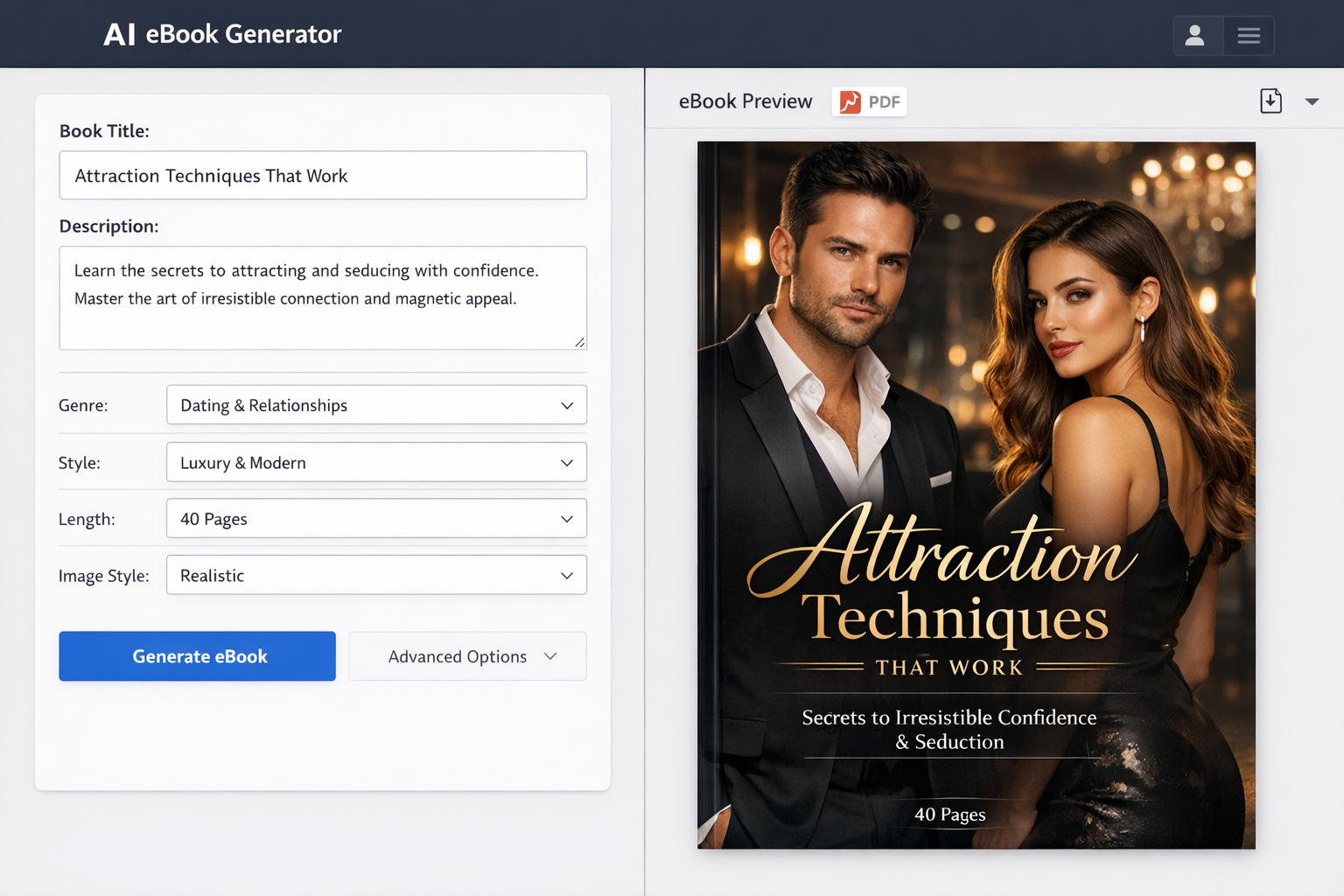
- Tips for Professional-Looking Covers: Use clear fonts, high-contrast colors, and imagery that conveys the book’s theme. If you’re not a designer, consider affordable services or tools like Makeebook to create polished covers.
Driving Sales and Reviews to Boost Ranking
Launch Strategies to Generate Initial Sales
The launch period is critical for gathering momentum:
- Pre-Launch Marketing and Building an Email List: Build anticipation by engaging your audience with sneak peeks, cover reveals, and pre-order campaigns.
- Using Promotional Pricing and Kindle Countdown Deals: Temporarily lowering your book’s price or running Kindle Countdown Deals can increase sales velocity and improve rankings.
Encouraging Honest Customer Reviews
Reviews build social proof, helping both readers and Amazon’s algorithm:
- Best Practices for Requesting Reviews: Politely ask readers at the end of your book or via email to leave honest reviews without incentivizing or pressuring them, to comply with Amazon’s policies.
- Leveraging ARC (Advance Reader Copies): Distribute early copies to beta readers or bloggers for genuine feedback and early reviews.
Utilizing Amazon Advertising
Amazon Ads can be a powerful tool to increase visibility and sales:
- Overview of Amazon Ads for KDP Authors: Sponsored Product ads target relevant keywords and display your book to potential buyers within Amazon’s ecosystem.
- Tips for Creating Effective Ad Campaigns: Start with a modest budget, test different keywords and ad copy, and monitor performance regularly to optimize your campaigns.
Leveraging External Traffic Sources
Don’t rely solely on Amazon’s internal traffic:
- Social Media Marketing Strategies: Use platforms like Facebook, Instagram, Twitter, and TikTok to share content related to your book’s theme and engage potential readers.
- Collaborations with Book Bloggers and Influencers: Partner with bloggers and influencers who can review or promote your book to their audiences.
Monitoring and Adjusting Your Strategy
Tracking Your Book’s Performance Metrics
Regularly monitoring your book’s performance helps you make informed decisions:
- Using Amazon KDP Reports: Analyze sales data, royalties, and page reads to understand what’s working.
- Third-Party Tools: Consider tools like Publisher Rocket or Book Report to get deeper insights into keyword performance and sales trends.
Making Data-Driven Adjustments
Optimization is an ongoing process:
- Optimizing Keywords and Categories: If certain keywords or categories aren’t driving results, update them based on data and trends.
- Updating Book Description and Cover: Refresh your description or cover periodically to keep your listing appealing and current with market preferences.
Additional Tips for Long-Term Success
Publishing Multiple Books to Build an Author Brand
Building a catalog helps establish your presence and increases cross-selling opportunities. Readers who enjoy one book will often seek out others by the same author.
Engaging with Your Reader Community
Maintain relationships with your readers through newsletters, social media, and reader groups. Engagement encourages loyalty and word-of-mouth promotion.
Staying Updated with Amazon KDP Changes and Trends
Amazon frequently updates its platform and policies. Stay informed by following industry news, forums, and resources to adapt your strategies accordingly.
Conclusion
Ranking your book on Amazon KDP requires a combination of understanding Amazon’s algorithm, optimizing your book’s metadata, and actively driving sales and reviews. By implementing these proven strategies consistently, you can improve your book’s visibility and sales performance.
Remember, success on Amazon KDP rarely happens overnight. Persistence, continuous learning, and adaptation are key. Whether you’re just starting or looking to refine your approach, tools like Makeebook can help streamline some aspects of your publishing process, freeing you to focus on marketing and connecting with readers.
Apply the strategies in this guide, track your progress, and adjust as needed. Your book’s ranking on Amazon is within your control—take the steps today to make it happen.
FAQ
How can I improve my book’s ranking on Amazon KDP?
To improve your book’s ranking on Amazon KDP, focus on optimizing your book title, description, and keywords with relevant search terms. Encourage positive reviews, price your book competitively, and promote it through social media and other marketing channels to increase sales velocity.
What role do keywords play in ranking a book on Amazon KDP?
Keywords are crucial because they help Amazon’s algorithm understand what your book is about and match it with customer searches. Use specific and relevant keywords in your book’s metadata to increase visibility and improve your chances of ranking higher in search results.
Does the number of reviews affect Amazon KDP book rankings?
Yes, having more positive reviews can significantly impact your book’s ranking. Reviews build social proof and increase customer trust, which can lead to more sales and better visibility in Amazon’s search and recommendation algorithms.
How important is pricing strategy for ranking on Amazon KDP?
Pricing is important because competitive pricing can attract more buyers and increase sales volume, which positively affects your book’s ranking. Consider experimenting with promotional pricing or discounts to boost sales and improve your book’s visibility on Amazon.
Can promoting my book outside of Amazon help improve its ranking on KDP?
Yes, external promotion through social media, email marketing, blogs, and author websites can drive more traffic and sales to your Amazon book page. Increased sales from external sources can improve your book’s ranking within Amazon’s algorithm.