Mastering the Ebook Writing Workflow: A Step-by-Step Guide
Creating an ebook can be a rewarding way to share your knowledge, build your brand, or generate income. But without a clear plan, ebook writing can quickly become overwhelming. That’s why mastering a structured ebook writing workflow is essential for both productivity and quality. This guide walks you through each stage of the process, helping you turn your ideas into a polished, professional ebook.
Understanding the Ebook Writing Workflow
What Is an Ebook Writing Workflow?
An ebook writing workflow is a step-by-step process that guides you from initial concept to finished product. It includes planning, researching, writing, editing, formatting, publishing, and promoting your ebook. Breaking down the project into manageable stages helps maintain focus and momentum.
Why Having a Workflow Matters
- Saves time and reduces overwhelm: Knowing what to do next prevents decision fatigue and procrastination.
- Improves content quality and consistency: A structured approach ensures thorough research, clear organization, and polished final output.
Common Challenges in Ebook Writing
- Writer’s block: Getting stuck on what to write next can halt progress.
- Disorganization: Jumping between topics or losing track of ideas dilutes your message.
- Lack of motivation: Without clear goals, finishing your ebook can feel daunting.
Step 1 – Planning Your Ebook
Identifying Your Target Audience
Understanding who will read your ebook is the foundation of effective writing. Define their demographics, interests, and pain points. Creating detailed reader personas helps tailor your content to their needs, making your ebook more relevant and engaging.
Choosing a Compelling Topic
Choose a topic that aligns with your expertise and resonates with your target audience. Conduct market research to identify niches and trending subjects. Validate your idea by checking demand on platforms like Amazon or forums related to your field.
Defining Your Ebook’s Purpose and Goals
Clarify what you want your ebook to achieve. Are you aiming to inform, educate, entertain, or sell a product? Setting measurable objectives, such as “gain 1,000 email subscribers” or “establish authority in my niche,” guides your writing and marketing strategy.
Outlining Your Ebook Structure
Create a chapter-by-chapter breakdown to organize your thoughts logically. Tools like mind maps or digital outlines can help visualize the flow. This roadmap keeps your writing focused and ensures comprehensive coverage of your topic.
Step 2 – Researching and Gathering Content
Conducting Effective Research
Use credible sources such as academic papers, industry reports, and expert interviews to gather accurate information. Keep your research organized by using note-taking apps or folders categorized by chapter or theme.
Collecting Supporting Data and Examples
Enhance your ebook’s credibility by incorporating relevant statistics, case studies, and anecdotes. These elements provide evidence for your points and engage readers by illustrating real-world applications.
Avoiding Plagiarism and Ensuring Originality
Always attribute quotes and data to their original sources. Use plagiarism checkers to confirm your content is unique. Originality not only protects you legally but also builds trust with your audience.
Step 3 – Writing the First Draft
Setting a Writing Schedule and Goals
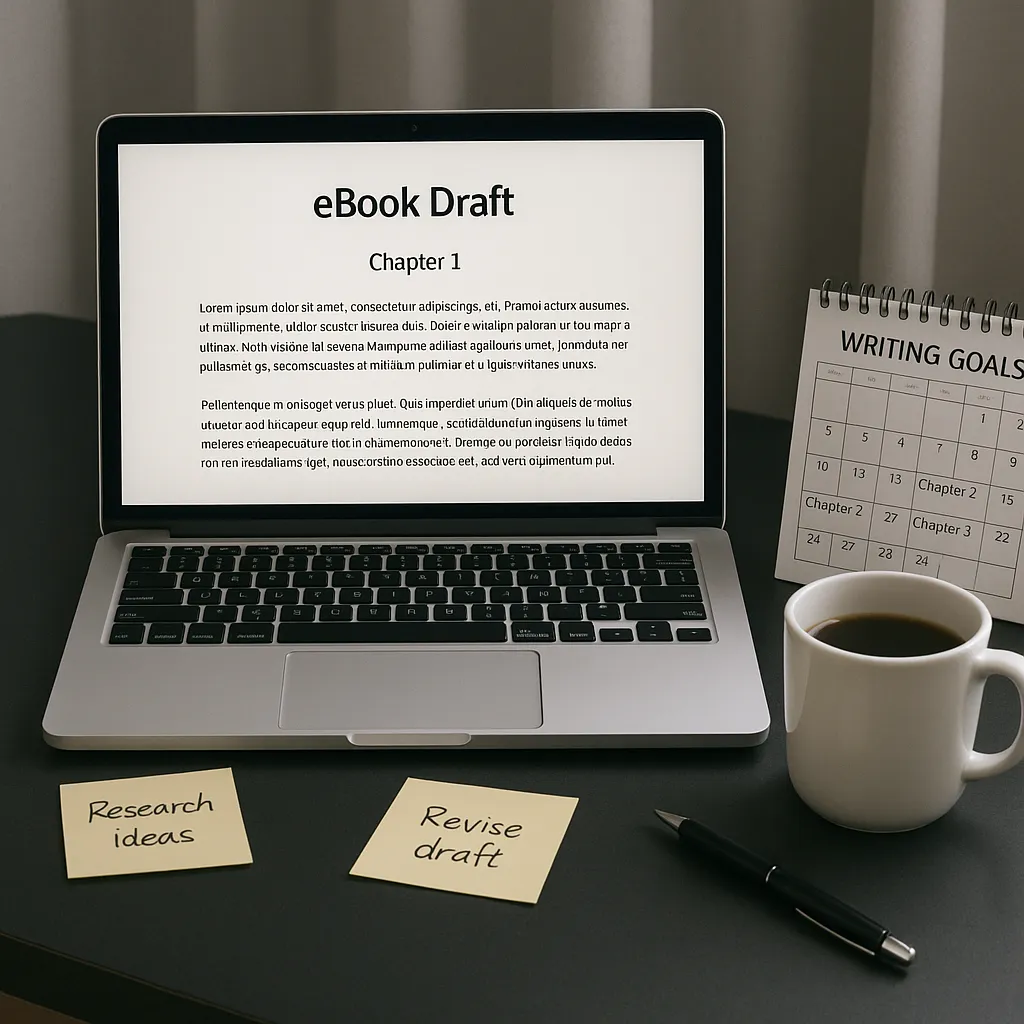
Establish daily or weekly word count targets to maintain steady progress. Writing sprints—short, timed bursts of focused writing—can boost productivity. Consistency is more important than perfection during this phase.
Tips for Overcoming Writer’s Block
Try free writing, where you write continuously without editing to unlock ideas. Changing your environment—writing in a café or park—can also refresh your creativity.
Maintaining Consistency and Flow
Write your ebook in manageable chunks, focusing on one section at a time. Resist the urge to perfect your wording on the first go; getting your ideas down takes priority. You’ll refine the text during editing.
Step 4 – Editing and Revising
Self-Editing Techniques
After finishing your draft, review it for clarity, coherence, and logical structure. Use grammar and spelling tools like Grammarly or Hemingway Editor to catch common errors and improve readability.
Getting Feedback from Beta Readers or Editors
Select beta readers who represent your target audience or have expertise in your topic. Encourage honest, constructive criticism to identify weak points. Incorporate feedback thoughtfully to enhance your ebook’s quality.
Revising for Style and Tone
Adjust your writing style to match your readers’ preferences—whether formal, conversational, or motivational. Focus on sentence variety and pacing to keep readers engaged and make the content easy to digest.
Step 5 – Formatting Your Ebook
Choosing the Right Ebook Format (PDF, ePub, Mobi)
Decide which formats best suit your distribution plan. PDF is widely accessible and great for direct downloads. ePub and Mobi are preferred by major ebook retailers like Apple Books and Amazon Kindle, respectively.
Designing a Professional Ebook Layout
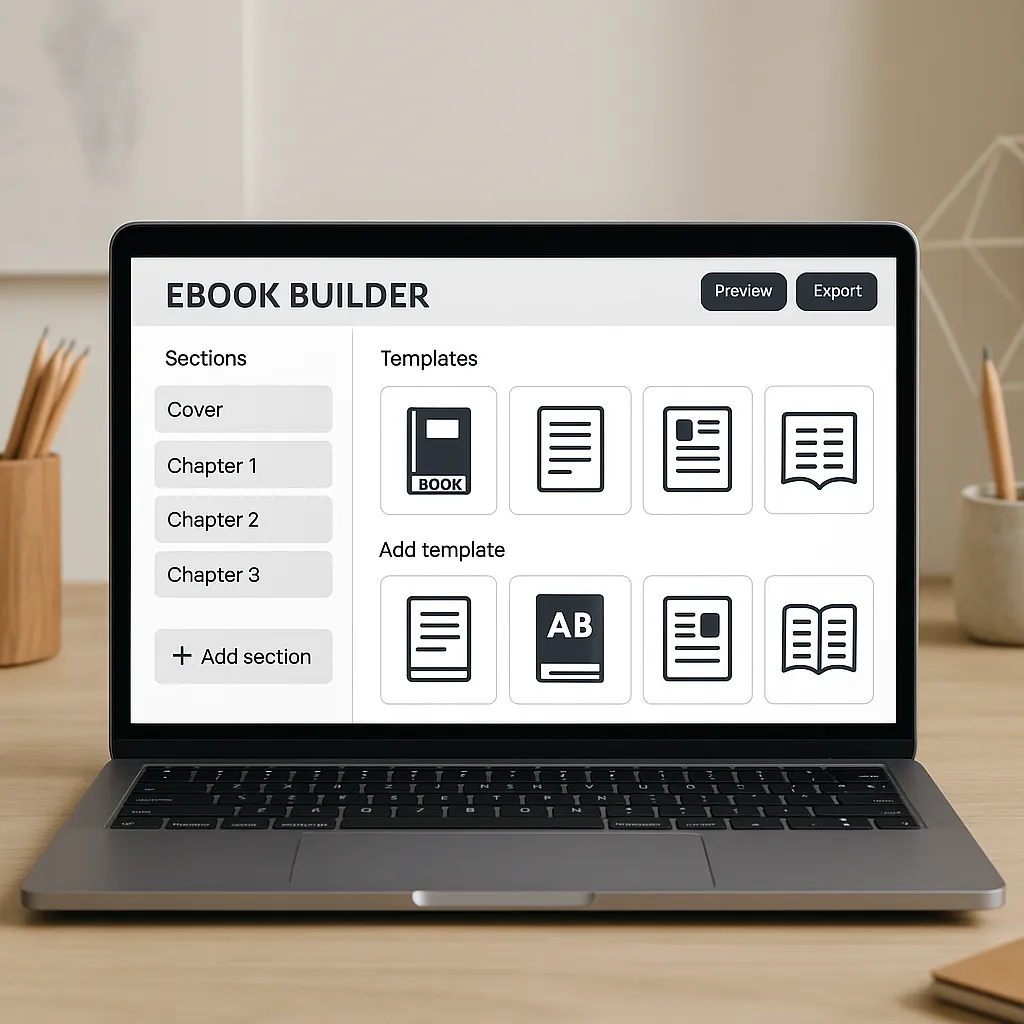
Use templates or design tools such as Adobe InDesign or free options like Canva to create an attractive layout. Pay attention to typography, spacing, and consistent headings to enhance readability and professionalism.
Adding Interactive Elements (Links, Images, TOC)
Incorporate clickable links, images, and a table of contents to improve navigation and user experience. Interactive elements make your ebook more engaging and easier to use, especially on digital devices.
Step 6 – Publishing and Distribution
Selecting Publishing Platforms
Choose platforms that align with your audience and goals. Amazon Kindle Direct Publishing offers vast reach, while Apple Books and Smashwords provide alternative distribution channels. Some authors also sell ebooks directly from their websites using services like Makeebook.
Setting Pricing and Marketing Strategies
Decide whether to offer your ebook for free to build an audience or set a price that reflects its value. Consider pre-launch marketing tactics like teaser content, giveaways, or early-bird discounts to generate buzz.
Uploading Your Ebook and Managing Metadata
Prepare your ebook files and upload them according to platform specifications. Carefully craft metadata—title, author name, description, keywords—to improve discoverability and appeal in online stores.
Step 7 – Promoting and Growing Your Audience
Building an Author Platform
Create a professional website or blog to showcase your ebook and share related content. Maintain an active presence on social media channels where your target audience spends time to build relationships and credibility.
Leveraging Email Marketing
Develop lead magnets, such as free chapters or checklists, to grow your email list. Regular newsletters keep your readers engaged and informed about your latest releases and promotions.
Using Paid Ads and Collaborations
Invest in targeted ads on platforms like Facebook or Instagram to reach more readers. Partner with influencers or fellow authors for joint promotions or guest posts to expand your reach.
Conclusion
Mastering the ebook writing workflow is key to producing a high-quality, impactful ebook without burnout. From planning and researching to writing, editing, formatting, publishing, and promoting, each step builds upon the last to ensure success. By implementing this structured process, you’ll save time, reduce stress, and create a product that truly resonates with your audience. Remember to stay motivated and be patient—your ebook journey is a marathon, not a sprint.
Additional Resources
- Writing and Editing Tools: Scrivener, Grammarly, Hemingway Editor
- Formatting Tools: Vellum, Calibre, Canva
- Courses and Books: “How to Write a Nonfiction Ebook” (Udemy), “On Writing Well” by William Zinsser
- Templates and Checklists: Downloadable ebook outline templates and editing checklists available via Makeebook and other author resource sites.