How Many Pages Should an Ebook Be? A Comprehensive Guide
When creating an ebook, one of the most common questions authors and marketers face is: how many pages should an ebook be? The ideal length can vary significantly depending on your goals, audience, and content type. Getting this right is crucial because an ebook that’s too short may feel incomplete, while one that’s too long risks losing reader interest.
In this comprehensive guide, we will explore everything you need to know about determining the perfect ebook length. Whether you’re writing a fiction novel, a how-to guide, or a business lead magnet, understanding the right page count can help you create an effective, engaging ebook that meets your readers’ expectations.
Factors Influencing Ebook Length
Purpose of the Ebook
The primary factor affecting ebook length is its purpose. Different types of ebooks require different lengths:
- Educational ebooks: These often demand more detailed explanations and examples, making them longer to cover the topic comprehensively.
- Promotional ebooks: Usually shorter, these are designed to capture leads or introduce a product or service without overwhelming the reader.
- Storytelling ebooks: Fiction or narrative-driven ebooks vary widely depending on whether they are short stories, novellas, or full-length novels.
Clarifying your ebook’s goal helps set realistic length expectations.
Target Audience
Your readers’ preferences and habits significantly influence ebook length. For example:
- Professional readers: Often prefer concise, value-packed content they can quickly apply.
- Casual readers: Might enjoy longer, more immersive reads, especially in fiction genres.
Also, attention spans vary by audience. Busy professionals might favor shorter ebooks under 30 pages, while hobbyists or enthusiasts may appreciate more detailed works.
Topic Complexity
The depth and complexity of your subject matter naturally dictate how much content you need. Simple topics may only require a brief overview, while complex or technical subjects demand more extensive coverage.
For example, a beginner’s introduction to photography might be 20-40 pages, whereas an advanced manual covering multiple techniques could easily exceed 100 pages.
Format and Design Considerations
Ebook formatting impacts page count as well. Factors include:
- Font size and style: Larger fonts increase page numbers but improve readability.
- Use of images and graphics: Visual elements like charts, photos, or infographics add pages but enhance understanding.
- File format differences: PDFs often show consistent page counts, while reflowable formats like EPUB and MOBI adjust page counts based on device and settings.
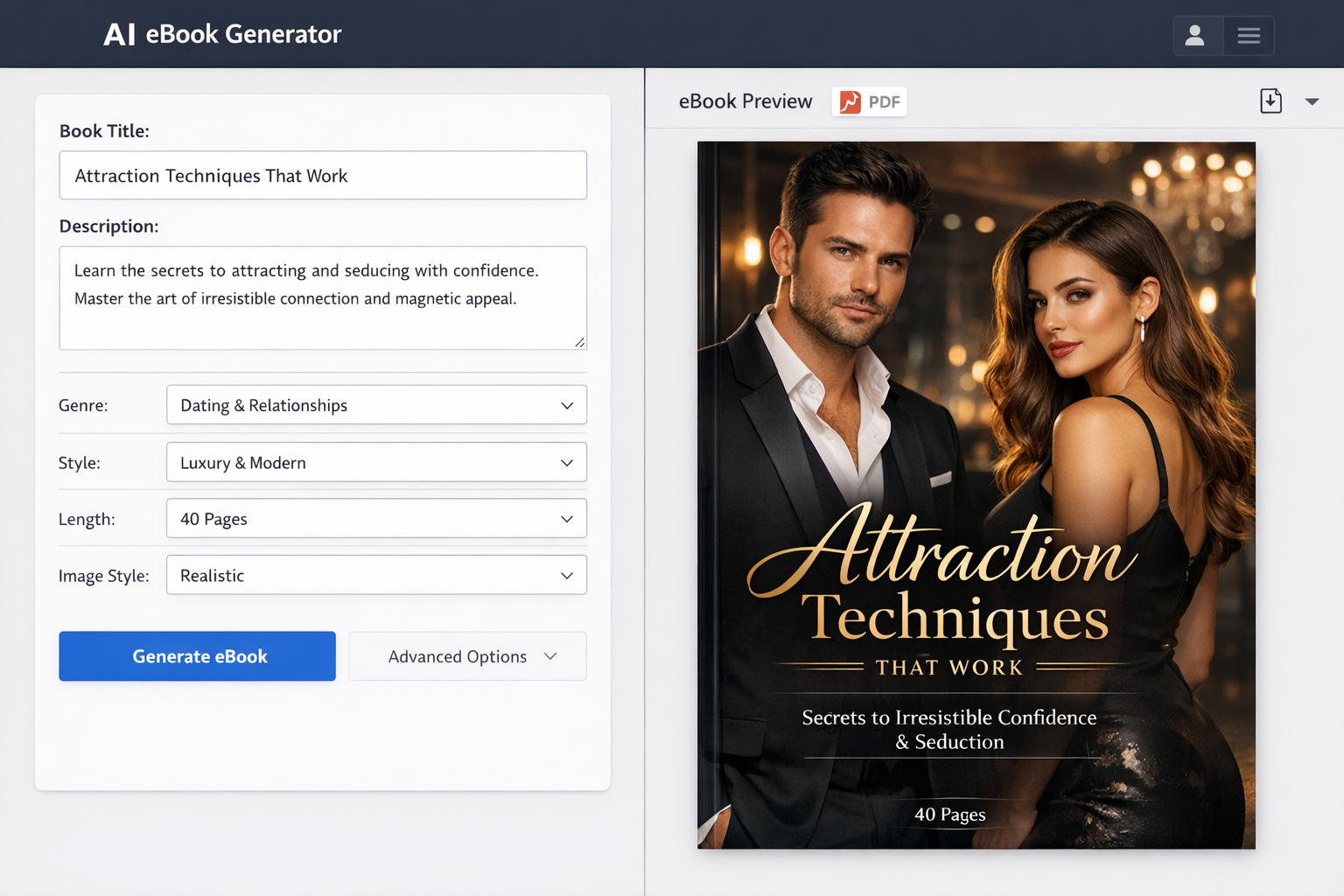
Tools like Makeebook can help optimize your ebook’s design for both aesthetics and length.
Typical Ebook Length Ranges by Genre
Fiction Ebooks
Fiction ebook lengths vary widely depending on the type:
- Short stories: Usually 5-20 pages, perfect for quick reads or introductions to an author’s style.
- Novellas: Typically 50-100 pages, offering a more developed story without the commitment of a full novel.
- Full-length novels: Commonly range from 150 to 400 pages, depending on genre and story complexity.
Readers expect these lengths based on their preferences and time availability.
Non-fiction Ebooks
Non-fiction ebooks cover a broad spectrum of types, each with standard length ranges:
- How-to guides: Usually 20-60 pages, focusing on practical, actionable advice.
- Case studies: Often concise, between 10-30 pages, emphasizing focused analysis.
- Whitepapers: Typically 15-40 pages, balancing depth with clarity to inform business decisions.
Non-fiction lengths aim to deliver value efficiently without overwhelming the reader.
Business and Marketing Ebooks
In business contexts, ebook length often aligns with marketing objectives:
- Lead magnets: Short ebooks around 10-25 pages, designed to entice downloads and build email lists.
- Comprehensive guides: Longer ebooks, 40-80 pages or more, that establish authority and provide in-depth insights.
The right length balances engagement with the reader’s willingness to invest time.
Academic and Technical Ebooks
Academic and technical ebooks tend to be lengthier due to the need for detailed explanations, data, and references:
- They often exceed 100 pages, especially textbooks or manuals.
- Readers expect depth, accuracy, and thoroughness, so shorter formats may feel insufficient.
Authoring such ebooks requires careful planning to maintain clarity despite length.
How to Determine the Right Length for Your Ebook
Define Your Ebook’s Purpose and Goals
Start by clarifying what you want your ebook to achieve. Are you educating readers, generating leads, or telling a story? Your objectives will guide whether your ebook should be concise or comprehensive.
Research Competitor Ebooks
Look at ebooks similar to yours in topic and genre. Analyze their length and style to set benchmarks. This research helps you avoid under- or over-delivering content compared to reader expectations.
Consider Your Content Depth
Balance thoroughness with readability. Cover your topic completely but avoid unnecessary filler. If your ebook is too short, readers might feel it lacks substance. Too long, and they may lose interest.
Test with Your Target Audience
Gather feedback from a sample of your intended readers. Share drafts or outlines to confirm if the length feels appropriate and the content is engaging. This iterative approach can save time and improve results.
Tips for Managing Ebook Length
Prioritize Quality Over Quantity
Focus on delivering valuable, well-crafted content rather than meeting arbitrary page targets. Avoid filler or repetitive sections that dilute your message.
Use Visuals to Complement Text
Incorporate charts, infographics, and images to clarify complex points. Visuals can reduce the need for lengthy explanations and make your ebook more engaging.
Break Content into Sections or Chapters
Organize your ebook into manageable chunks. Clear headings and short chapters improve readability and help readers navigate your content easily.
Edit Ruthlessly
Review your manuscript multiple times to remove redundancies and tighten prose. A well-edited ebook feels professional and respects readers’ time.
Impact of Ebook Length on Reader Engagement and Sales
Reader Attention Span and Completion Rates
Longer ebooks risk lower completion rates, especially if readers feel overwhelmed. Shorter, focused ebooks tend to keep attention better but must still provide value.
SEO and Download Considerations
File size matters for downloads and SEO. Large ebooks with many images can be slow to load or download, discouraging readers. Optimizing length and format helps accessibility.
Pricing Strategies Based on Length
Length often influences perceived value and pricing. Short lead magnets are typically free, while longer, comprehensive ebooks can justify higher price points. Align pricing with ebook length and quality.
Conclusion
Determining how many pages your ebook should be is not a one-size-fits-all process. It depends on your purpose, audience, topic complexity, and format. By focusing on quality content tailored to your readers’ needs and expectations, you can create an ebook that succeeds regardless of exact length.
Remember to research similar ebooks, gather feedback, and manage your content thoughtfully. Tools like Makeebook can assist in formatting and optimizing your ebook for both length and design. Above all, prioritize providing real value — that’s what keeps readers coming back.
Additional Resources