Top Ebook Marketing Strategies for 2026 to Boost Your Sales
The ebook market in 2026 is more dynamic and competitive than ever before. With growing readership worldwide and rapid technological advancements, authors and publishers must adopt innovative marketing strategies to stand out and maximize their sales. Whether you are a seasoned author or just releasing your first ebook, understanding the latest trends and effective marketing tactics is critical to your success.
In this article, you will discover actionable ebook marketing strategies tailored for 2026 that will help you attract readers, increase visibility, and grow your sales sustainably. From leveraging AI-driven personalization to optimizing your listings for voice search, these insights are designed to keep you ahead of the curve.
Understanding the Ebook Market Trends in 2026
Growth and Changes in Ebook Consumption
The ebook market continues to expand globally, with more readers adopting digital reading as their preferred format. In 2026, convenience and accessibility remain key drivers, with mobile devices and e-readers becoming more affordable and feature-rich. Subscription models and bundled ebook services have also gained popularity, creating new opportunities and challenges for authors to monetize their work.
Emerging Reader Preferences and Behavior
Today's readers demand immersive and personalized reading experiences. Shorter attention spans mean that ebooks with engaging content, interactive elements, and clear, concise messaging perform better. Additionally, readers increasingly rely on social proof, such as reviews and influencer recommendations, before making a purchase decision. Understanding these preferences is crucial for tailoring your marketing efforts effectively.
Impact of Technology on Ebook Marketing
Technological advancements like artificial intelligence, voice assistants, and blockchain are reshaping ebook marketing. AI enables hyper-targeted promotions and adaptive content recommendations, while voice search optimization opens up new discovery channels. Blockchain and NFTs offer innovative ways to secure digital rights and engage with readers through unique ownership experiences.
Building a Strong Foundation for Your Ebook Marketing
Defining Your Target Audience
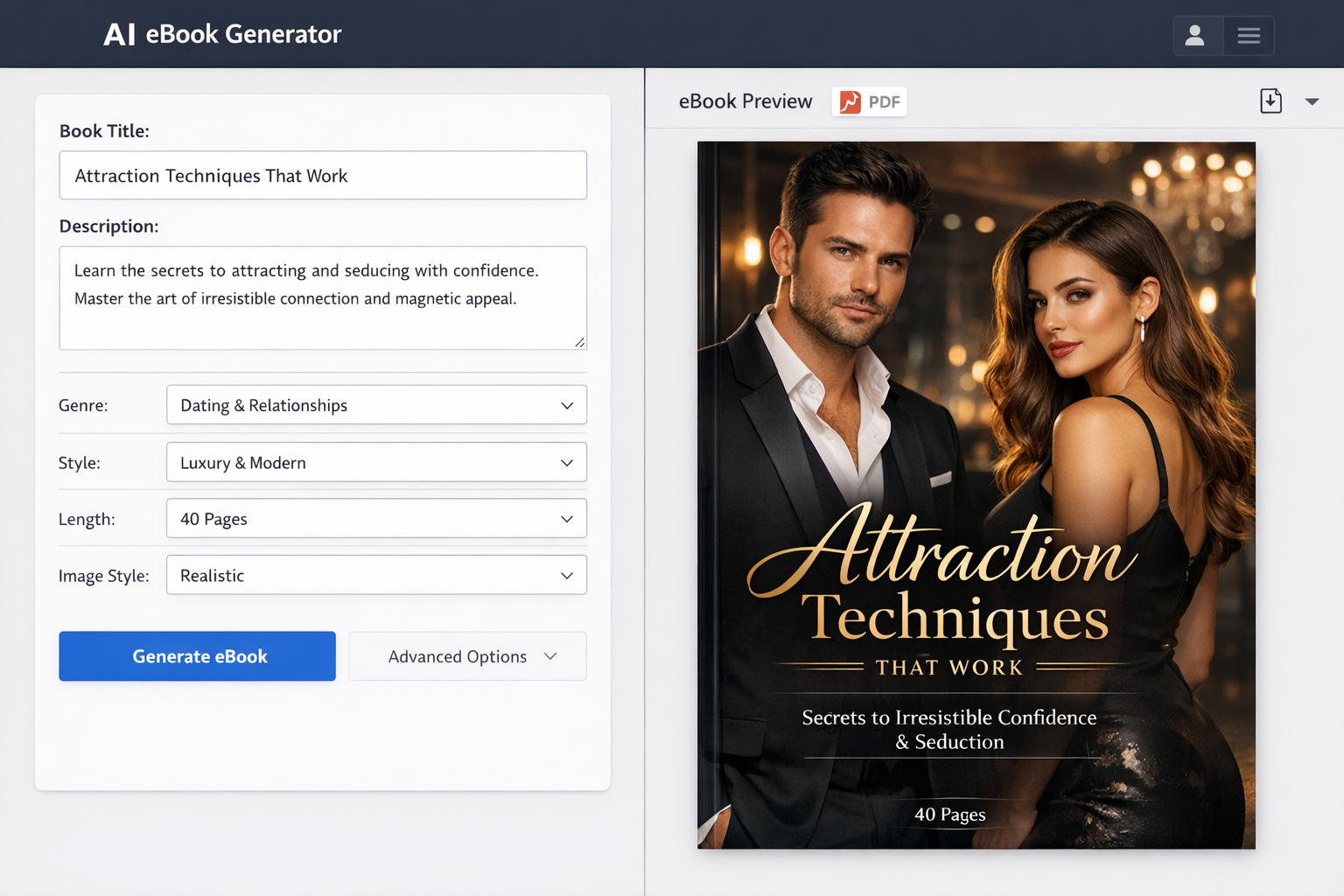
Before launching any marketing campaign, clearly identify who your ideal readers are. Consider demographics, interests, reading habits, and pain points. A well-defined audience helps you tailor your messaging and choose the right channels. Tools like reader surveys, social media insights, and platforms such as Makeebook can assist in understanding and segmenting your audience effectively.
Crafting a Compelling Ebook Title and Cover Design
Your ebook’s title and cover are the first impressions potential readers get. Make sure the title is clear, evocative, and contains relevant keywords that resonate with your target audience. The cover design should be professional, eye-catching, and aligned with genre expectations. Investing in quality design can significantly boost click-through rates and conversions.
Creating a Persuasive Book Description and Metadata
A well-written book description not only summarizes your ebook but also entices readers by highlighting key benefits and unique selling points. Use persuasive language and include relevant keywords naturally to improve search visibility. Additionally, ensure your metadata — including categories, tags, and author information — is accurate and optimized on platforms like Amazon KDP or Apple Books.
Leveraging Digital Marketing Channels
Social Media Marketing Strategies for Ebook Promotion
Social media remains a powerful tool to connect with readers and build buzz around your ebook. Focus on platforms where your audience is most active. Share engaging content such as excerpts, behind-the-scenes stories, and reader testimonials. Interactive formats like polls, reels, and live sessions can foster deeper engagement and encourage sharing. Consistency and authentic interaction are key to growing your following.
Email Marketing Campaigns to Engage Readers
Email marketing provides direct access to your readers and potential buyers. Build and nurture your email list by offering freebies, exclusive content, or early access to new releases. Segment your list to send personalized recommendations and updates. Automated drip campaigns can help maintain interest and drive repeat sales over time.
Utilizing Influencer Partnerships and Book Bloggers
Partnering with influencers, book reviewers, and bloggers can expand your reach exponentially. Identify influencers whose followers match your target audience and collaborate on reviews, giveaways, or guest posts. Authentic endorsements from trusted voices encourage readers to take action and can boost your ebook’s credibility.
Paid Advertising: Google Ads, Facebook Ads, and Beyond
Paid ads remain effective for rapid visibility and targeting precision. Use Google Ads to reach readers actively searching for ebooks in your genre, and Facebook Ads to leverage detailed demographic targeting. Experiment with emerging platforms like TikTok Ads for younger audiences. Monitor your campaigns closely to optimize spend and maximize return on investment.
Optimizing Your Ebook for Discoverability
SEO Best Practices for Ebook Listings
Search engine optimization (SEO) is essential for making your ebook discoverable on major platforms and search engines. Optimize your ebook title, description, and metadata with keywords that potential readers use when searching. Avoid keyword stuffing; instead, focus on natural language that addresses readers’ needs and questions.
Using Keywords Effectively in Titles and Descriptions
Conduct keyword research using tools like Google Keyword Planner or specialized ebook marketing platforms. Incorporate these keywords strategically in your title, subtitle, and description to improve ranking without compromising readability. For example, if your ebook is about productivity, include long-tail keywords such as “time management tips for remote workers” to target niche audiences.
Leveraging Ebook Platforms’ Algorithms (Amazon KDP, Apple Books, etc.)
Each ebook platform has its own algorithm that influences which books get recommended or featured. Understand the factors that affect rankings—such as sales velocity, reviews, and keyword relevance—and optimize your listings accordingly. Encouraging early reviews and maintaining consistent sales momentum can help your ebook surface more frequently to potential buyers.
Content Marketing and Community Building
Blogging and Guest Posting to Drive Traffic
Creating valuable content around your ebook’s themes helps attract organic traffic and establish your authority as an author. Maintain a blog where you share insights, tips, or related stories. Guest posting on popular blogs in your niche exposes your work to new audiences and builds backlinks that support your SEO efforts.
Hosting Webinars, Live Q&A, and Virtual Book Launches
Interactive events engage readers in meaningful ways and build excitement around your ebook. Hosting webinars or live Q&A sessions allows you to showcase your expertise, answer questions, and deepen reader connections. Virtual book launches can replicate traditional launch events online, offering exclusive content and special offers to participants.
Building and Nurturing Reader Communities on Social Platforms
Creating dedicated groups or forums on platforms like Facebook, Discord, or Reddit fosters loyal reader communities. Encourage discussions, share updates, and solicit feedback to build rapport. Active communities not only promote word-of-mouth marketing but also provide invaluable insights for future projects.
Innovative and Emerging Strategies for 2026
AI-Powered Personalization in Marketing
Artificial intelligence enables highly personalized marketing experiences by analyzing reader behavior and preferences. Use AI tools to recommend your ebook to readers based on their past purchases or browsing habits. Personalized email campaigns and dynamic social media ads increase engagement and conversion rates.
Interactive and Multimedia Ebook Features
Incorporating multimedia elements such as videos, audio clips, animations, or interactive quizzes can make your ebook more appealing and memorable. Enhanced ebooks stand out from traditional formats and cater to readers who prefer immersive learning or entertainment experiences.
Using NFTs and Blockchain for Ebook Ownership and Marketing
Blockchain technology and NFTs (Non-Fungible Tokens) are creating new ways to authenticate and market digital content. Authors can sell limited edition ebooks or exclusive bonus content as NFTs, enhancing perceived value and offering unique ownership experiences. This strategy also opens doors to innovative fan engagement and revenue streams.
Voice Search Optimization for Ebook Discoverability
With the rise of smart speakers and voice assistants, optimizing your ebook’s discoverability for voice search is becoming crucial. Use natural, conversational phrases and questions in your metadata and marketing content. Consider FAQs and voice-friendly keywords to capture traffic from voice queries.
Measuring and Analyzing Your Marketing Success
Key Performance Indicators (KPIs) to Track
Track essential KPIs such as ebook sales figures, conversion rates, website traffic, email open rates, and social media engagement. These metrics provide insights into what is working and where adjustments are needed. For instance, if social media engagement is high but sales lag, you may need to enhance your call-to-action or landing pages.
Tools for Monitoring Ebook Sales and Marketing ROI
Use analytics tools like Google Analytics, Amazon KDP reports, and email marketing dashboards to monitor your campaigns. Platforms like Makeebook also offer marketing insights tailored for ebook authors. Regularly review this data to ensure your marketing budget delivers a positive return on investment.
Adjusting Strategies Based on Data Insights
Marketing is an iterative process. Use data to test different approaches, such as tweaking ad copy, experimenting with new social platforms, or refining your email sequences. Stay flexible and responsive to trends and reader feedback to continuously improve your ebook marketing outcomes.
Conclusion
Successfully marketing your ebook in 2026 requires a multi-faceted approach that blends traditional tactics with innovative technologies. By understanding market trends, building a strong foundation, leveraging digital and content marketing channels, and embracing emerging strategies like AI personalization and blockchain, you can significantly boost your ebook sales.
Remember, no single strategy guarantees success. The key is to implement a cohesive, data-driven marketing plan that evolves with your audience’s needs and preferences. Tools like Makeebook can simplify and amplify your marketing efforts, helping you connect with readers more effectively.
Start early, stay consistent, and keep learning. Your next bestseller could be just a well-executed marketing strategy away.
Additional Resources