How to Start an Ebook Business Online: A Step-by-Step Guide
Introduction
An ebook business involves creating, publishing, and selling digital books online. Unlike traditional publishing, an ebook business allows authors and entrepreneurs to reach a global audience with minimal upfront costs. If you're passionate about writing or have expertise in a specific subject, starting an ebook business online can be a rewarding and scalable venture.
Why start an ebook business online? The digital age has transformed how readers consume content, with ebooks growing in popularity due to their convenience and affordability. Starting an ebook business online offers flexibility, the potential for passive income, and the ability to build a brand around your knowledge or storytelling skills.
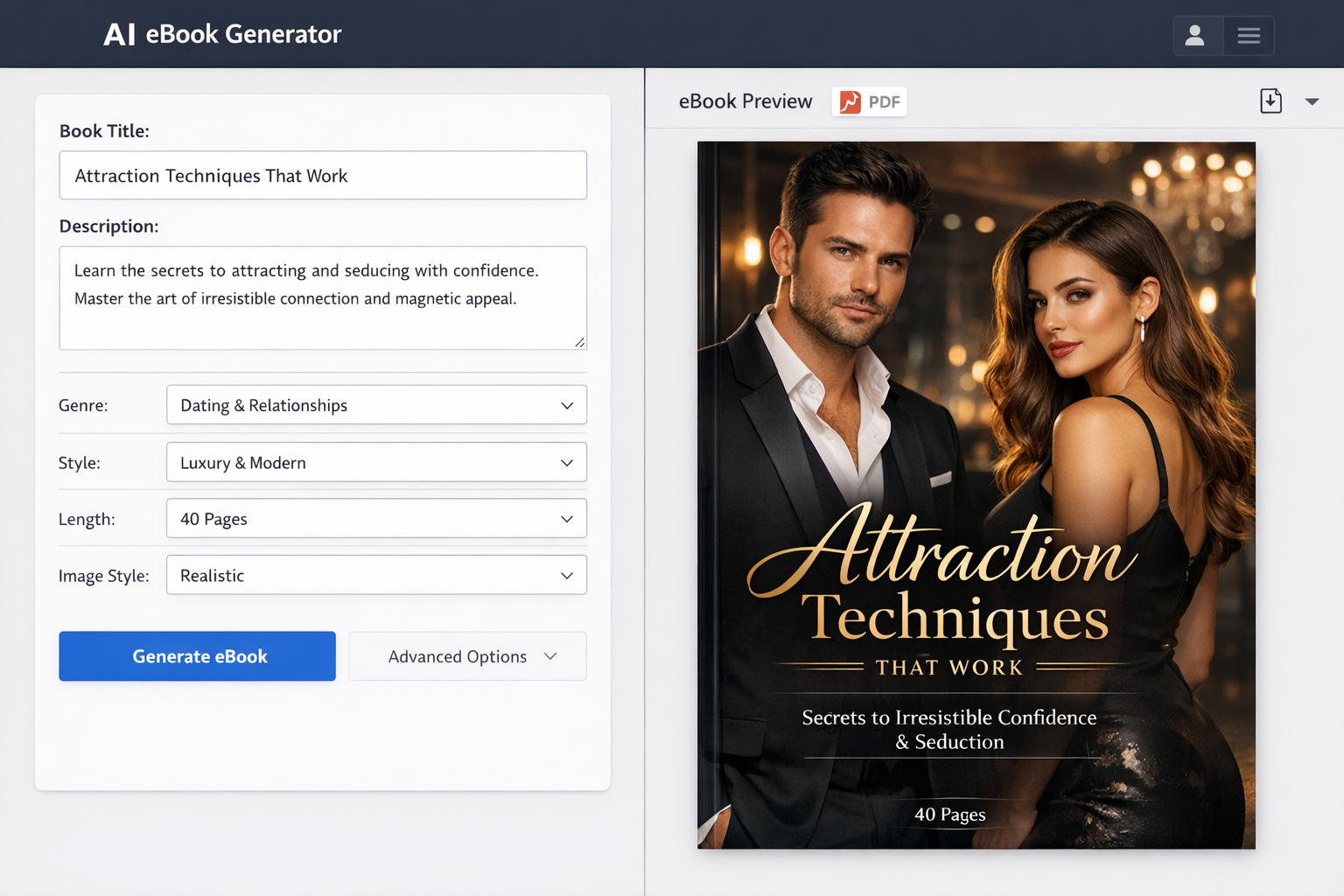
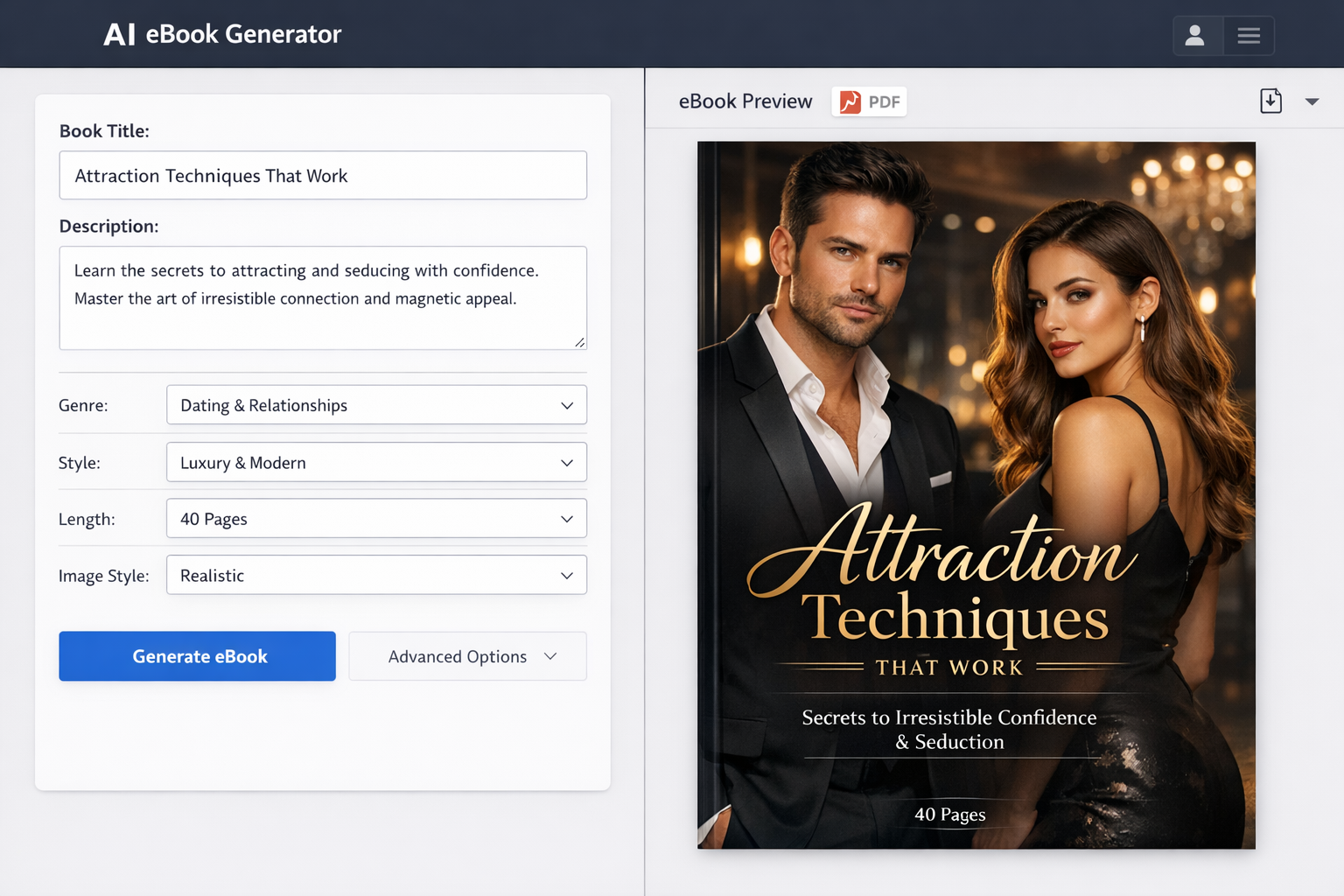
The benefits of selling ebooks include low production and distribution costs, instant global reach, and the opportunity to continuously update your content. With platforms like Amazon Kindle and tools such as Makeebook, launching your ebook business is more accessible than ever.
Step 1 – Research and Choose Your Niche
Understanding Market Demand
The first step to a successful ebook business is identifying a niche with real market demand. Research trending topics, popular genres, and areas where readers are actively seeking information or entertainment. Use tools like Google Trends, Amazon Best Sellers lists, and forums related to your interests to gauge demand.
Identifying Your Target Audience
Who are your potential readers? Defining your target audience helps tailor your content and marketing efforts. Consider demographics like age, gender, education, interests, and challenges your readers face. The more specific your audience, the easier it is to create ebooks that resonate and address their needs.
Analyzing Competitors in Your Niche
Study competitors who are already selling ebooks in your chosen niche. Analyze their pricing, content style, strengths, and weaknesses. This competitive analysis will help you find gaps in the market or opportunities to differentiate your ebook.
Step 2 – Plan Your Ebook Content
Selecting a Profitable Topic
Choose a topic that balances your passion and expertise with market demand. Profitable ebook topics often solve a problem, teach a skill, or provide unique insights. Consider niches like self-help, finance, health, technology, or hobbies with active communities.
Outlining Your Ebook Structure
A clear structure keeps your writing focused and engaging. Create an outline that breaks your ebook into chapters or sections, each addressing specific points or subtopics. This roadmap will streamline your writing process and ensure comprehensive coverage.
Setting Goals and Deadlines
Establish realistic goals and deadlines for completing your ebook. Setting milestones, such as finishing the first draft or designing the cover, builds momentum and helps avoid procrastination. Treat your ebook project like a professional assignment to stay on track.
Step 3 – Write and Design Your Ebook
Writing Tips for Engaging Content
Write in a clear, conversational tone that connects with readers. Use short paragraphs, bullet points, and examples to improve readability. Edit ruthlessly to eliminate fluff and jargon. Remember, valuable content that addresses reader needs is key to success.
Tools for Ebook Writing and Editing
Leverage writing tools like Google Docs, Microsoft Word, or Scrivener for drafting your ebook. For editing, consider Grammarly or Hemingway Editor to polish grammar and style. Using these tools helps produce professional-quality content with less effort.
Ebook Formatting and Design Best Practices
Proper formatting ensures your ebook looks great on all devices. Use consistent fonts, headings, and spacing. Convert your document into popular ebook formats such as PDF, ePub, or Mobi. Tools like Calibre or Makeebook can simplify this process by offering formatting templates and conversion options.
Creating Attractive Covers
Your ebook cover is the first thing potential buyers see, so invest time in creating a compelling design. Use graphic design tools like Canva or Adobe Spark to craft professional-looking covers. Make sure the title is readable even as a thumbnail, and the imagery reflects your ebook’s theme.
Step 4 – Publish Your Ebook
Choosing the Right Ebook Formats (PDF, ePub, Mobi)
To reach the widest audience, offer your ebook in multiple formats. PDF is universal and easy to distribute; ePub is favored by Apple Books and many other platforms; Mobi is used primarily by Amazon Kindle. Understanding these formats helps you serve different reader preferences.
Self-Publishing Platforms Overview (Amazon Kindle, Smashwords, etc.)
Several self-publishing platforms allow you to publish and sell ebooks with ease. Amazon Kindle Direct Publishing (KDP) is the largest marketplace, providing access to millions of readers. Smashwords distributes to multiple retailers and libraries. Other options include Apple Books, Kobo Writing Life, and Google Play Books. Evaluate each platform’s fees, royalty structure, and audience to choose the best fit.
Setting the Right Price for Your Ebook
Pricing your ebook strategically can impact sales volume and profitability. Research competitor prices within your niche to find a competitive range. Many ebooks are priced between $2.99 and $9.99. Consider launching with a promotional price or discounts to attract initial buyers and gather reviews.
Step 5 – Build Your Online Store or Sales Platform
Options for Selling Ebooks Online (Website, Marketplaces)
You can sell ebooks through marketplaces like Amazon or directly from your own website. Having a dedicated website gives you more control over branding and customer data. Platforms like Shopify, WooCommerce, or Gumroad make it easy to set up an online store for digital products.
Setting Up Payment Gateways
To accept payments securely, integrate reliable payment gateways such as PayPal, Stripe, or Square. These services handle transactions and protect customer information. Choose gateways that offer low fees and are popular with your target audience to ensure smooth purchases.
Creating a User-Friendly Purchase Experience
A seamless buying process encourages customers to complete their purchases and return for more. Optimize your website for mobile devices, minimize the number of checkout steps, and provide clear instructions. Offering instant downloads and prompt confirmation emails builds trust and satisfaction.
Step 6 – Market Your Ebook Business
Developing a Marketing Strategy
A solid marketing plan is essential to drive traffic and sales. Define your unique selling proposition (USP), set promotional goals, and identify the channels where your audience spends time. Consistency and multiple touchpoints increase visibility and conversions.
Utilizing Social Media and Content Marketing
Leverage social media platforms like Facebook, Instagram, Twitter, and LinkedIn to share valuable content related to your ebook topics. Blogging, guest posting, and creating videos or podcasts can establish you as an authority. Engaging with followers and participating in relevant groups builds community interest.
Email Marketing for Ebook Sales
Building an email list allows you to communicate directly with interested readers. Offer free content upgrades or samples in exchange for email addresses. Send newsletters, promotions, and updates to nurture leads and encourage repeat purchases.
Leveraging Paid Advertising and Promotions
Paid ads on platforms like Facebook Ads, Google Ads, or Amazon Marketing Services can boost visibility quickly. Start with small budgets to test ad creative and targeting. Use promotions, discounts, or bundle deals to incentivize purchases and collect reviews.
Step 7 – Manage and Grow Your Ebook Business
Tracking Sales and Customer Feedback
Monitor sales data and customer reviews regularly to understand what’s working and where improvements are needed. Use analytics tools provided by your sales platform or integrate Google Analytics on your website. Positive feedback can guide your marketing, while constructive criticism helps improve future ebooks.
Updating and Expanding Your Ebook Catalog
Keep your catalog fresh by updating existing ebooks with new information and publishing additional titles. Consider creating series, workbooks, or companion guides to increase customer lifetime value. Diversifying your offerings also attracts different segments of your audience.
Building a Brand and Community Around Your Business
Establishing a strong brand identity and engaging community fosters loyalty and word-of-mouth referrals. Share your story, values, and behind-the-scenes content. Encourage reader interaction through social media, forums, or exclusive groups. Over time, your ebook business becomes more than just sales—it becomes a trusted resource.
Common Challenges and How to Overcome Them
Dealing with Piracy and Copyright Issues
Piracy is a common concern for ebook publishers. Protect your work by using digital rights management (DRM) where possible. Clearly state copyright terms and respond promptly to infringement reports. While some piracy may be unavoidable, focusing on building a loyal paying customer base minimizes its impact.
Handling Customer Support
Providing excellent customer service enhances your reputation. Respond promptly to inquiries, resolve download or payment issues efficiently, and be courteous even in difficult situations. A satisfied customer is more likely to recommend your ebooks and buy again.
Staying Motivated and Consistent
Running an ebook business requires persistence, especially in the early stages. Set realistic expectations, celebrate small wins, and connect with other authors or entrepreneurs for support. Using project management tools and maintaining a routine can help maintain momentum.
Conclusion
Starting an ebook business online involves thoughtful planning, quality content creation, effective publishing, and strategic marketing. By following these steps—from researching your niche and writing engaging ebooks to building your sales platform and promoting your work—you can create a sustainable and profitable business.
Remember, tools like Makeebook can simplify the writing and formatting process, making it easier to produce professional digital books. Take the leap today and begin your journey as an ebook entrepreneur. With dedication and the right approach, your ebook business can thrive in the growing digital marketplace.
For further learning, explore online courses on digital publishing, join author communities, and stay updated on ebook trends to keep your business competitive and innovative.